Recent exchanges of strikes between U.S. and Iranian forces in the Strait of Hormuz have strained the fragile ceasefire and memorandum of understanding (MoU) signed in mid-June 2026, highlighting the precarious nature of efforts to end the four-month conflict that began in February.
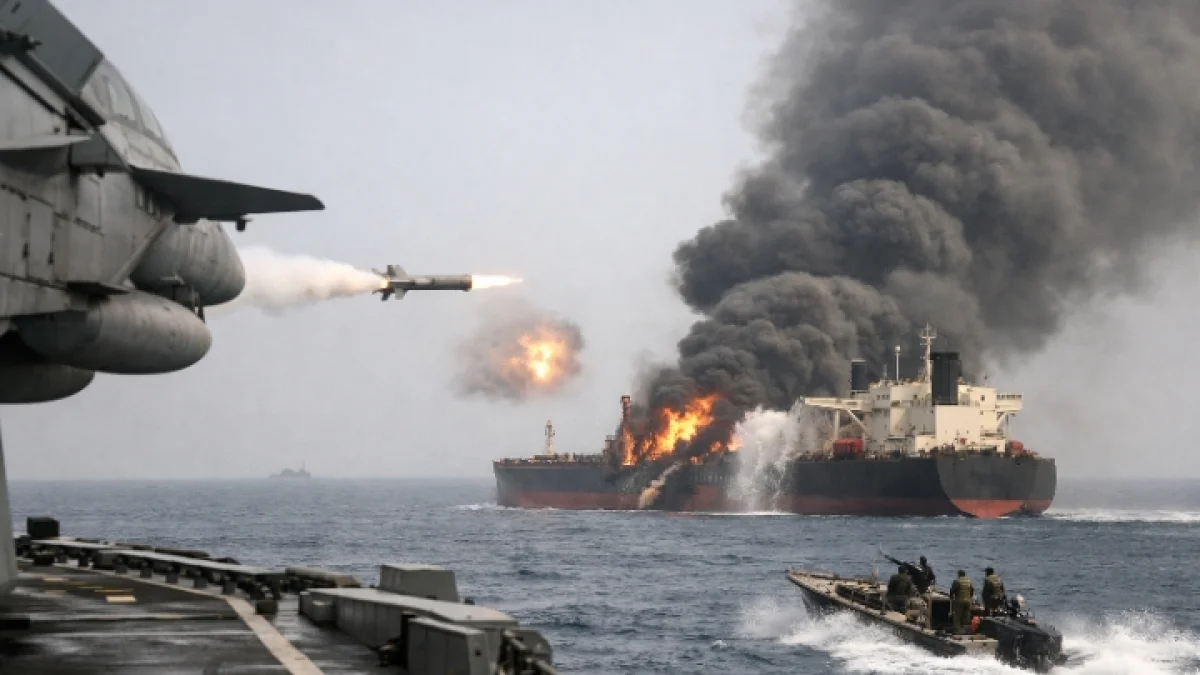
The latest escalation underscores the challenges in implementing the Islamabad Memorandum, which aimed to pause hostilities, reopen shipping lanes, and create a 60-day window for negotiations on Iran's nuclear program and sanctions relief. Despite the agreement signed on June 17 by U.S. President Donald Trump and Iranian President Masoud Pezeshkian, tit-for-tat actions over the past week—including Iranian drone strikes on commercial vessels and U.S. retaliatory hits on Iranian military sites—have tested the deal's durability.
The 2026 Iran war erupted on February 28 with U.S. and Israeli strikes targeting Iranian military infrastructure and leadership, including the killing of Supreme Leader Ali Khamenei. Iran responded with missile and drone barrages across the region, disrupting the Strait of Hormuz—a critical chokepoint for about one-fifth of global oil trade—and triggering broader involvement from Gulf states. Thousands died, millions were displaced, and energy markets faced severe volatility.
A Pakistan-mediated two-week ceasefire took effect on April 8, later extended indefinitely by the U.S. side amid ongoing tensions, including a U.S. naval blockade of Iranian ports and Iranian restrictions on shipping. Direct talks in Islamabad faltered, but mediation involving Pakistan, Qatar, and others produced the June 14-17 MoU. The framework called for cessation of hostilities (including in Lebanon), reopening of the Strait under monitored conditions, temporary sanctions relief, and unfreezing of assets, while deferring core disputes like Iran's nuclear activities to a 60-day negotiating period.
Implementation has proven difficult. Iran has faced internal criticism from hardliners wary of concessions, while the U.S. has emphasized enforcement against perceived violations. Recent incidents, such as an Iranian drone attack on a Singapore-flagged vessel around June 25 and subsequent U.S. strikes on facilities near Qeshm Island on June 26-27, followed by Iranian responses targeting U.S.-linked positions, illustrate mutual accusations of bad faith. Both sides agreed to "stand down" by June 28, according to U.S. officials, with vessel traffic continuing and technical talks reportedly proceeding via mediators.
Analysts note that the MoU's ambiguities—particularly around verification mechanisms for the Strait, the scope of sanctions relief, and Iran's nuclear commitments—leave room for disputes. Trita Parsi of the Quincy Institute has described the strikes as placing the agreement under "immense stress," while others highlight the exclusion of key actors like Israel from direct buy-in as a structural weakness.
Economically, the conflict has already exacted a toll. Disruptions to Hormuz shipping contributed to fuel shortages in parts of Asia and global price spikes. The MoU's provisions for sanctions easing and reconstruction aid were intended to stabilize markets, but renewed clashes risk prolonging uncertainty. Oil prices have shown sensitivity to each flare-up.
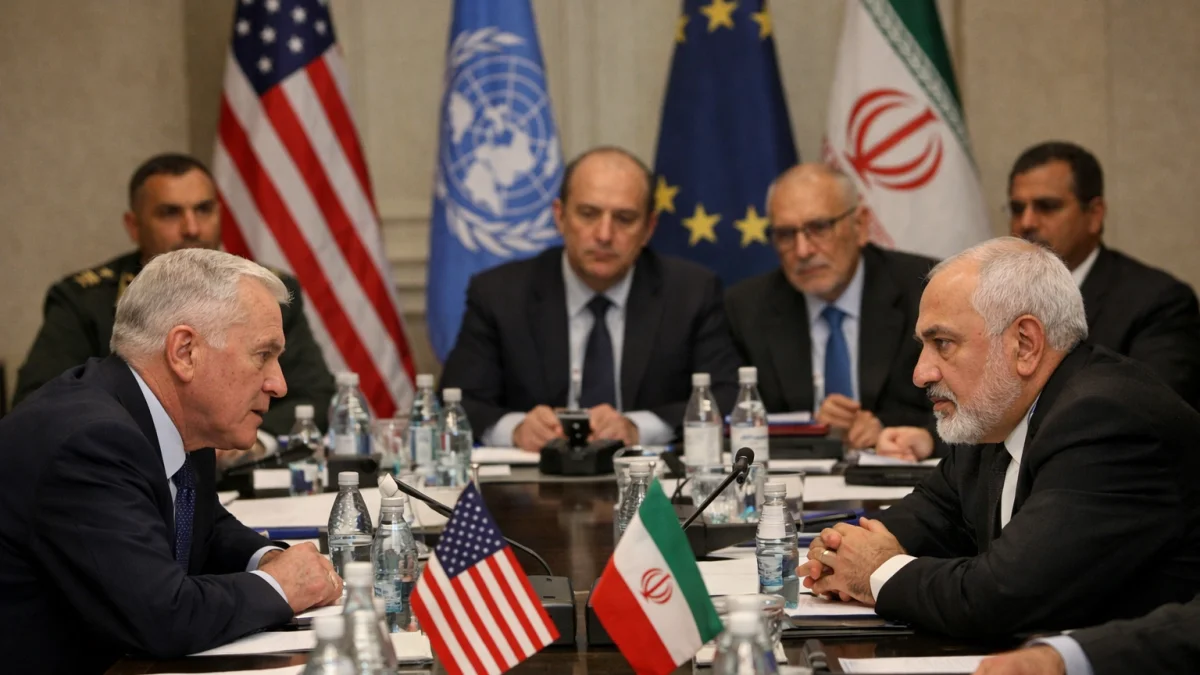
The U.S. administration has signaled continued diplomatic engagement, with envoys reportedly heading to Doha for mediated discussions. Iran has denied direct talks with the U.S. team, framing its presence in Qatar as focused on MoU implementation through intermediaries. President Trump has alternated between optimistic statements on a potential deal and warnings of resuming pressure if terms are not met.
Historically, U.S.-Iran diplomacy has cycled through periods of confrontation and tentative de-escalation, from the 2015 nuclear deal to its 2018 withdrawal and subsequent "maximum pressure" campaign. The current framework echoes elements of past interim arrangements but operates in a more militarized context following direct conflict. Competing interpretations persist: U.S. officials stress Iran's reaffirmation against pursuing nuclear weapons, while Iranian statements emphasize sovereignty and relief from sanctions.
The current situation remains one of uneasy pause. Both governments have confirmed their intent to avoid broader resumption of hostilities for now, with technical talks on track despite the weekend exchanges. Uncertainties include the timeline and substance of nuclear discussions, full implementation of Strait access, and the role of regional proxies. Officials on both sides are monitoring compliance with the MoU's 60-day framework and maritime security in the Gulf as key indicators for the agreement's viability.