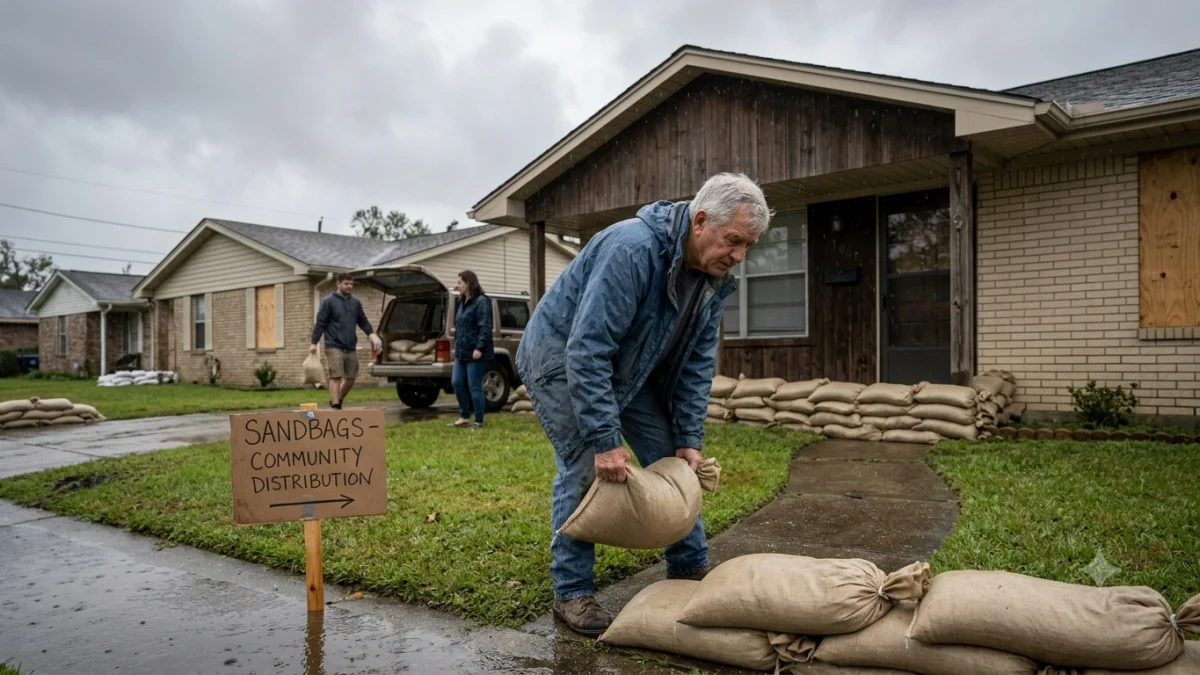
SAN ANTONIO — Heavy rainfall triggered widespread flooding across central Texas, leaving at least two people dead, prompting hundreds of rescues and forcing evacuations as swollen rivers inundated communities, state officials said.
Texas Governor Greg Abbott said the fatalities occurred in Uvalde and Kerr counties after days of intense rain caused flash flooding across parts of the Hill Country and surrounding areas. Emergency crews continued search-and-rescue operations as high water cut off roads and damaged infrastructure.
State authorities said more than 500 people had been rescued during the flooding, with helicopters, boats and high-water vehicles deployed to reach stranded residents. Shelters were opened for displaced families, while emergency responders remained on alert as additional rainfall threatened already saturated river basins.
Floodwaters damaged transportation links across the region, including the collapse of the FM 481 bridge in Uvalde County after it had already been closed because of rising water. Several highways became impassable, complicating rescue operations and limiting access to affected communities. Officials urged residents to avoid unnecessary travel and not attempt to drive through flooded roadways.
Abbott declared a disaster covering 29 counties, enabling additional state resources and opening the way for broader recovery assistance as damage assessments continued. State officials said the declaration could be expanded if conditions worsened or additional counties reported significant impacts.
The National Weather Service issued repeated flash flood warnings as multiple rounds of thunderstorms produced heavy rainfall across central and south-central Texas. Hydrologists said several rivers, including the Nueces and Guadalupe, rose rapidly after days of persistent rain, increasing flood risks across multiple watersheds.
Officials said this year's flooding tested upgraded emergency warning systems introduced after the catastrophic July 2025 floods in the Texas Hill Country. Authorities credited expanded alert networks, flood sirens and earlier public warnings with helping residents evacuate before floodwaters reached some communities, although officials acknowledged communication challenges remained in more remote areas.
Emergency managers warned that additional rainfall could prolong flooding in some locations and urged residents to monitor official forecasts and evacuation orders. Rescue operations and damage assessments were continuing as authorities worked to restore access to isolated communities.