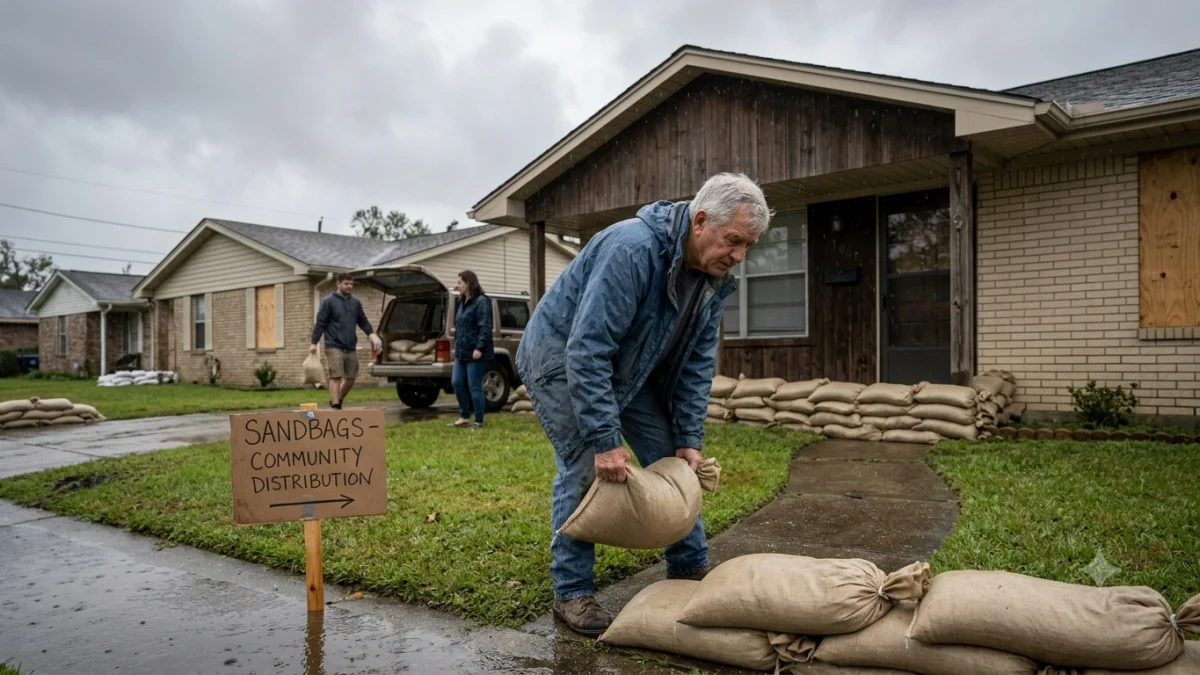
MANILA—Heavy rain triggered flooding in parts of Luzon on Saturday, disrupting transportation and prompting weather authorities to warn of continued localized downpours and the risk of flash floods and landslides in vulnerable areas.
The Philippine Atmospheric, Geophysical and Astronomical Services Administration (PAGASA) issued thunderstorm advisories covering several provinces in northern Luzon, including parts of Cagayan, Isabela, Ilocos Norte, Abra, Kalinga and Mountain Province, where moderate to occasionally heavy rain, lightning and strong winds were forecast over periods of one to two hours. PAGASA advised residents in mountainous and low-lying areas to remain alert for possible flash floods, mudslides and rockslides.
Local authorities monitored flooded roads and low-lying communities as intermittent heavy rain affected sections of the island. While reports of localized flooding emerged from several areas, no nationwide official casualty or damage figures had been released by Saturday evening, and disaster management agencies continued to assess conditions.
PAGASA said above-normal rainfall remained likely across much of Luzon during the July 18–24 period, consistent with its sub-seasonal outlook, increasing the potential for repeated rain events in areas already vulnerable to flooding.
The state weather bureau said the rainfall was associated with seasonal weather conditions rather than an active tropical cyclone over the country. Forecasts indicated that many parts of Luzon would continue to experience cloudy skies with scattered rain showers and thunderstorms through the weekend, with locally heavy rainfall possible during stronger convective storms.
Authorities urged residents to monitor official weather bulletins and comply with evacuation or safety instructions where necessary. PAGASA said thunderstorms could produce sudden heavy rainfall capable of causing localized flooding even in areas outside existing advisories.
The agency also reported that reservoir levels at major dams supplying Metro Manila remained below their normal high-water marks as of Saturday morning, with no indications that flood-control gate releases were contributing to the localized flooding.
The Philippines experiences frequent flooding during the southwest monsoon season, particularly in July and August, when persistent rain can overwhelm drainage systems and raise river levels. PAGASA said it would continue issuing updated advisories as weather conditions evolve, while disaster response agencies remained on alert for any escalation in flooding or landslide risks.