BRUSSELS—Public subsidies for fossil fuels in the European Union have risen to their highest level in recent years despite continued expansion of renewable energy capacity, according to European Commission and European Environment Agency (EEA) data published in recent reports.
The EEA reported that fossil fuel subsidies in EU member states reached about €111 billion in 2023, remaining well above pre-energy-crisis levels even after falling from a peak of around €136 billion in 2022, when governments implemented emergency measures in response to high energy prices following the COVID-19 recovery and Russia’s invasion of Ukraine.
The Commission’s assessment of energy subsidies shows that overall government support for energy consumption remained elevated, with fossil fuel-related support continuing to account for a substantial share of environmentally harmful subsidies in the bloc. In 2023, fossil fuels represented roughly two-thirds of such harmful subsidies, the Commission found.
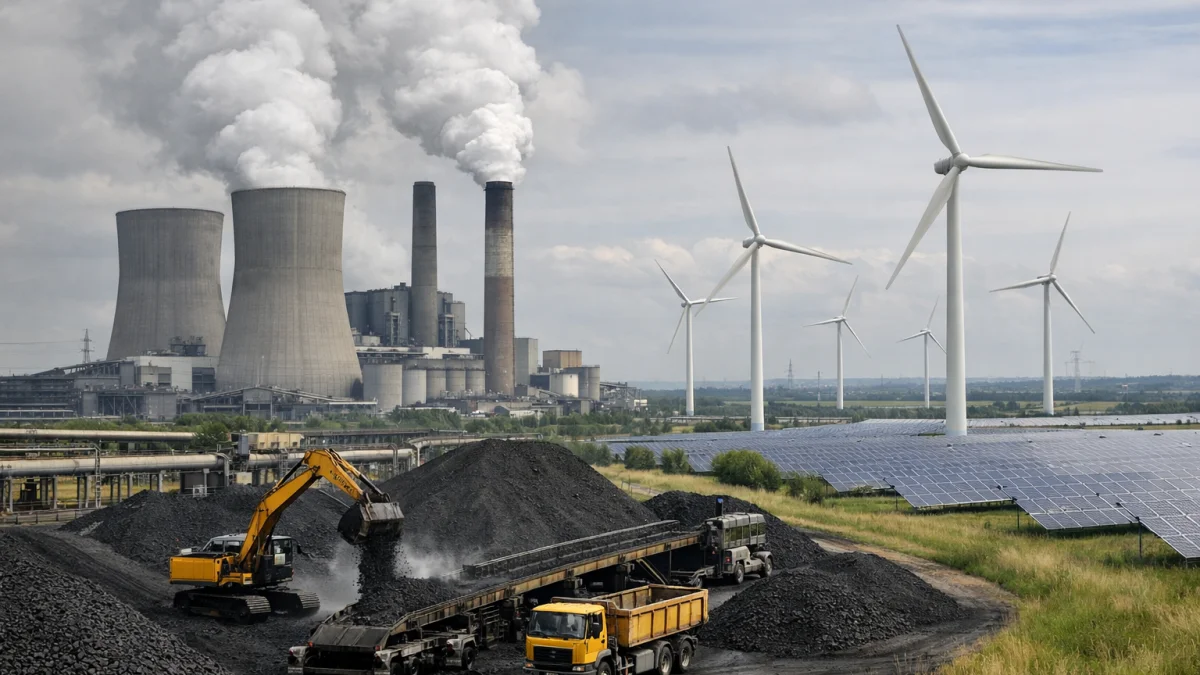
Despite a rapid increase in renewable electricity generation across Europe, including record-high shares of wind and solar in several member states in 2025, analysts say the persistence of fossil fuel support reflects structural reliance on gas and oil in transport, heating, and industry. Recent EU market analyses indicate that renewables have reduced exposure to fossil fuel price shocks but have not yet displaced fossil fuel consumption across all sectors.
The Commission has previously outlined plans under the European Green Deal and subsequent policy frameworks to phase out fossil fuel subsidies “without delay,” but progress has been uneven across member states. Several countries continue to maintain tax reliefs, price stabilisation measures, and crisis-related supports for fossil fuel consumers.
In parallel, renewable energy subsidies have declined from earlier peaks, partly due to lower wholesale electricity prices reducing the cost of support schemes, even as installed capacity expands. Energy efficiency funding has increased, reflecting a broader shift in policy instruments, according to Commission data.
The EEA has warned that most EU member states still lack detailed, binding phase-out timelines for fossil fuel subsidies, complicating efforts to align fiscal policy with long-term climate targets. It said only a small number of countries have translated phase-out ambitions into enforceable legislation.
Energy officials in Brussels argue that continued investment in renewable energy and grid infrastructure will reduce reliance on fossil fuel subsidies over time by lowering import dependency and stabilising electricity prices. However, the Commission has also acknowledged that recent geopolitical instability and energy price volatility have reinforced short-term support measures.
No new EU-wide phase-out date for fossil fuel subsidies has been formally agreed, and the issue remains part of ongoing policy discussions under the bloc’s broader climate and competitiveness agenda.