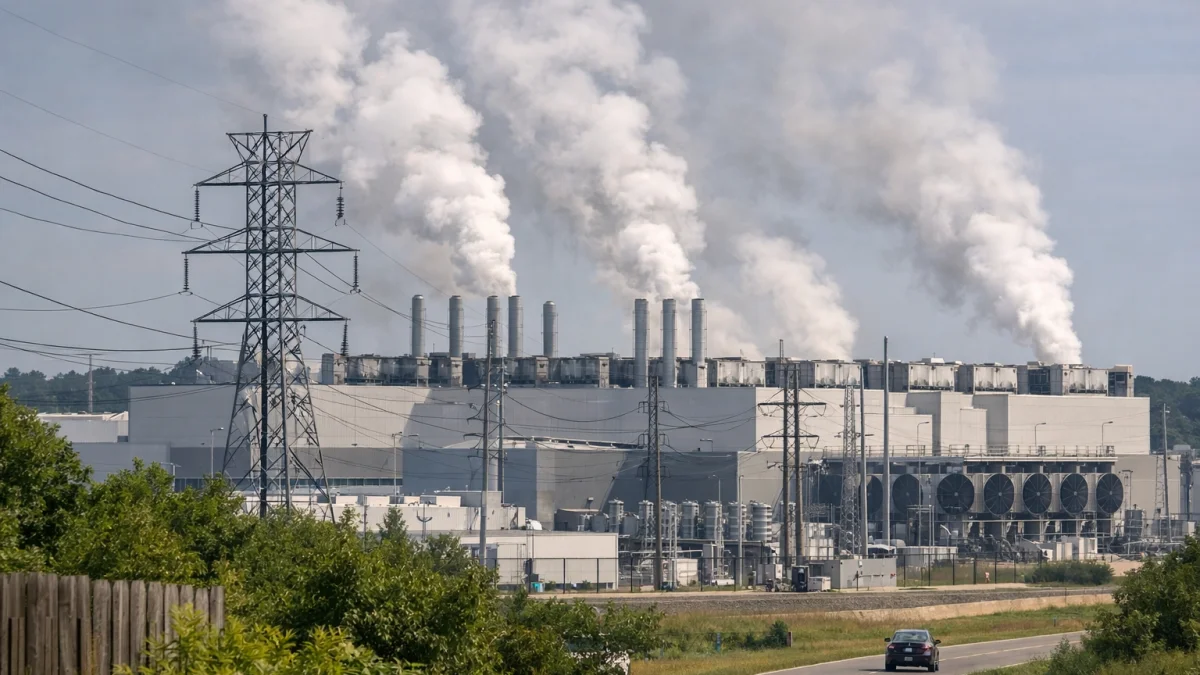
RICHMOND — Virginia's rapid expansion of data centers is intensifying concerns over air pollution as researchers, environmental groups and regulators warn that thousands of diesel backup generators supporting the facilities could worsen emissions in communities already hosting one of the world's largest concentrations of digital infrastructure.
The debate has gained urgency as demand for artificial intelligence and cloud computing drives continued construction across Northern Virginia and other parts of the state, even as residents and policymakers weigh the environmental costs alongside the industry's economic benefits. Recent periods of extreme electricity demand have also highlighted the potential for greater reliance on backup generators, which emit pollutants including nitrogen oxides, particulate matter and carbon monoxide.
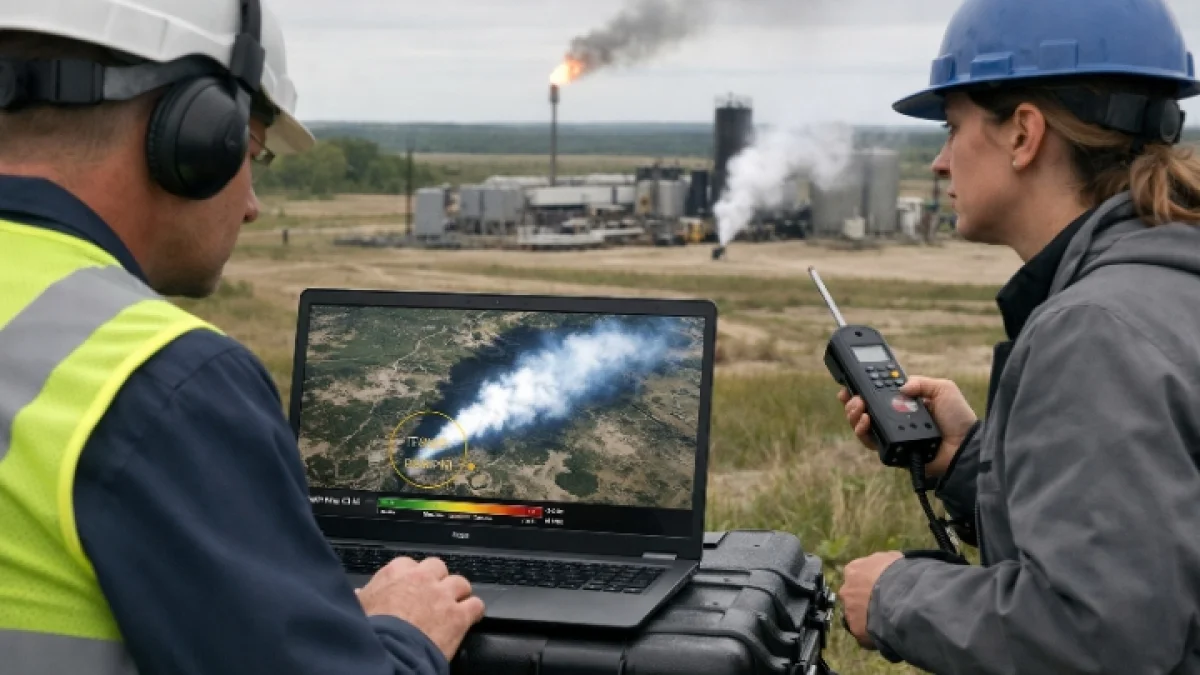
The Virginia Department of Environmental Quality (DEQ) has launched an air monitoring project in Northern Virginia, deploying multiple sensors to collect data on pollutants near major data center clusters. The agency has said the monitoring program is intended to improve understanding of local air quality and provide publicly available information as development continues.
Academic researchers have also raised concerns about potential public health effects. A 2026 review by researchers at George Mason University concluded that the rapid growth of data centers could pose risks through increased energy demand and associated emissions, while emphasizing that additional research is needed to better quantify long-term impacts.
Virginia regulators have responded by tightening emissions requirements for new backup generators. Updated DEQ guidance requires many new data center diesel generators to meet Tier 4 emissions standards beginning July 1, reflecting concerns that such equipment may operate more frequently than previously assumed.
Industry representatives have argued that data centers remain critical infrastructure supporting digital services and economic growth. Blackstone-owned QTS, which recently canceled its proposed Digital Gateway project in Prince William County after years of litigation and local opposition, said Virginia remains a key market for the company, citing billions of dollars in investments elsewhere in the state.
Community groups, however, continue to press for stricter oversight, citing concerns over air quality, electricity demand, land use and noise. Opposition to several large developments has contributed to legal challenges and growing scrutiny from local governments considering future projects.
State regulators continue to collect air quality data while local governments evaluate new proposals, with environmental impacts expected to remain a central issue as Virginia's data center industry expands.