WASHINGTON — Courts across the United States are addressing changes to election laws following a series of recent rulings that reaffirmed states' authority over some voting procedures while prompting lawmakers and election officials to review statutes ahead of the 2026 midterm elections.
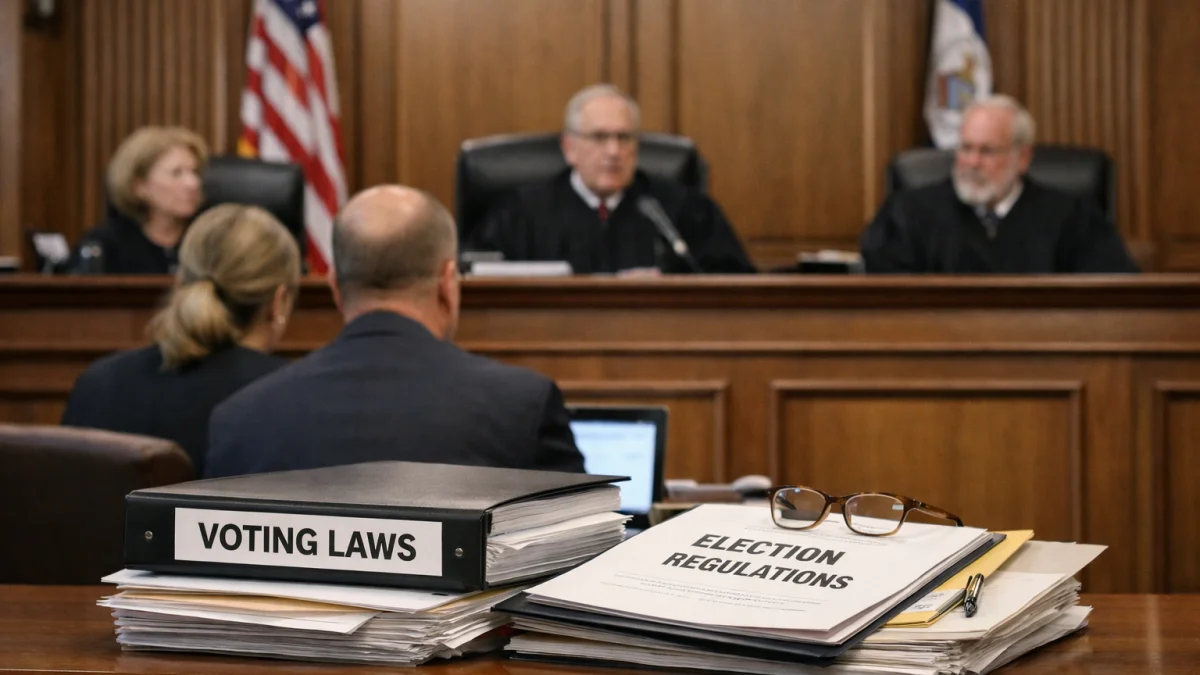
The most significant recent decision came from the U.S. Supreme Court on June 29, when the justices ruled 5-4 that federal law does not prohibit states from counting absentee ballots received after Election Day if they were postmarked by that date, upholding a Mississippi law challenged by the Republican National Committee and others. The majority concluded that federal election statutes establish when ballots must be cast but do not require them to be received by Election Day.
The ruling leaves intact similar ballot-receipt deadlines in numerous states and has prompted election officials and state legislatures to assess whether existing laws require revisions or whether additional legislative action is warranted. Some Republican officials have called for Congress or state legislatures to impose stricter receipt deadlines, while voting rights organizations said the decision protects voters from disenfranchisement caused by postal delays.
The Supreme Court's latest term also included decisions affecting campaign finance, voting rights and legal standing in election disputes, reshaping aspects of election law before the 2026 midterm elections. Legal analysts said the rulings are likely to generate additional litigation as states interpret their practical effect and revise election procedures where necessary.
Separately, federal courts have continued to review challenges involving executive actions affecting election administration. In one recent case, a U.S. District Court permanently blocked key provisions of a federal executive order concerning voter registration, election funding and ballot counting, ruling that the challenged measures exceeded federal authority over state-run elections, according to officials from Nevada and other plaintiff states.
State officials from both major political parties have responded differently to the recent court decisions. Supporters of expanded mail voting said the rulings preserve access to the ballot while respecting state authority over election administration. Critics argued that legislatures should adopt clearer statutory deadlines and procedures to promote public confidence in election outcomes.
Additional election-related cases remain pending in lower courts, and legal experts expect further challenges over voting procedures, ballot access and election administration before the November midterm elections. Courts have not issued final rulings in many of those disputes, leaving several questions to be resolved as states continue preparing for upcoming federal and state contests.