LONDON — Goldman Sachs said reductions in oil flows from the Persian Gulf following renewed hostilities in and around the Strait of Hormuz could delay the recovery of regional crude supplies, as investors assessed the latest risks to global energy markets.
In a research note cited on Thursday, the investment bank said renewed strikes in the Strait of Hormuz could slow the ramp-up in Middle East oil production, while the cancellation of a U.S. sanctions waiver could once again weigh on Iranian oil exports, which had only recently begun to recover. Goldman said both developments could postpone the normalization of oil supplies after weeks of gradual improvement.
The comments came as oil markets reacted to a fresh escalation in tensions between the United States and Iran. Brent crude and U.S. West Texas Intermediate futures initially rose as traders priced in the possibility of renewed disruptions to one of the world's most important oil transit routes, although prices later retreated as broader concerns over the global economy weighed on sentiment.
According to Goldman Sachs, the latest attacks could interrupt the recovery in Gulf production that had followed an earlier easing in hostilities. The bank also warned that restrictions affecting Iranian exports could further tighten regional supply if sustained. It said the outlook remained highly dependent on security conditions and shipping access through the Strait of Hormuz.
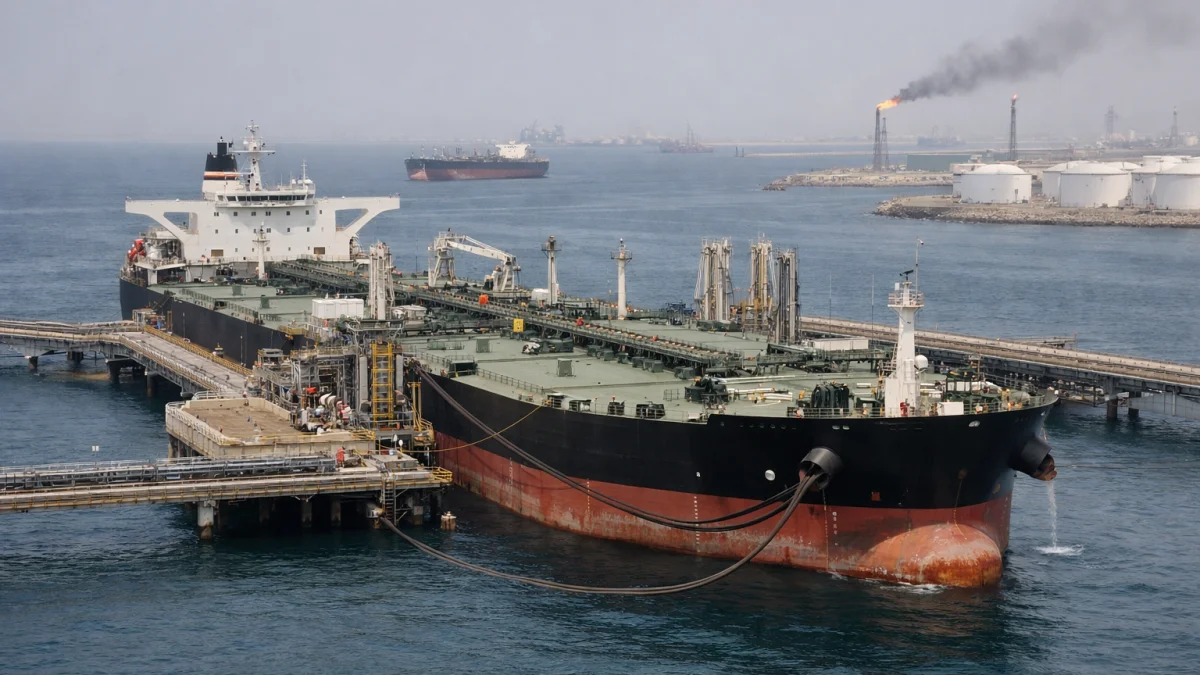
The Strait of Hormuz is a critical chokepoint through which roughly one-fifth of global oil and liquefied natural gas shipments normally pass. Earlier this year, conflict in the region sharply reduced exports and forced significant production shut-ins before an interim diplomatic agreement allowed a partial recovery in shipping activity.
Goldman had previously expected Persian Gulf exports to return to pre-war levels by the end of July after improving conditions prompted the bank to bring forward its normalization forecast from the end of August. The latest escalation, however, raises the possibility that recovery could take longer if attacks on vessels continue or maritime security deteriorates further.
Market participants continue to monitor military developments, shipping activity and official announcements from governments in the region for signs of whether oil flows can continue recovering or face renewed disruption. No revised production or export forecast beyond the latest assessment had been officially announced by Goldman Sachs as of Friday.