NEW YORK — Global markets tracked developments in the escalating U.S.-Iran standoff on Monday as renewed military exchanges and uncertainty over the Strait of Hormuz pushed oil prices higher and weighed on investor sentiment.
U.S. stock index futures declined at the start of trading, while European shares opened lower after Iran and the United States exchanged attacks in the Gulf and Tehran said it had closed the strategic waterway, a key route for global energy shipments. Investors assessed the potential impact of any prolonged disruption to oil flows, with crude prices rising as markets reacted to increased geopolitical risk.
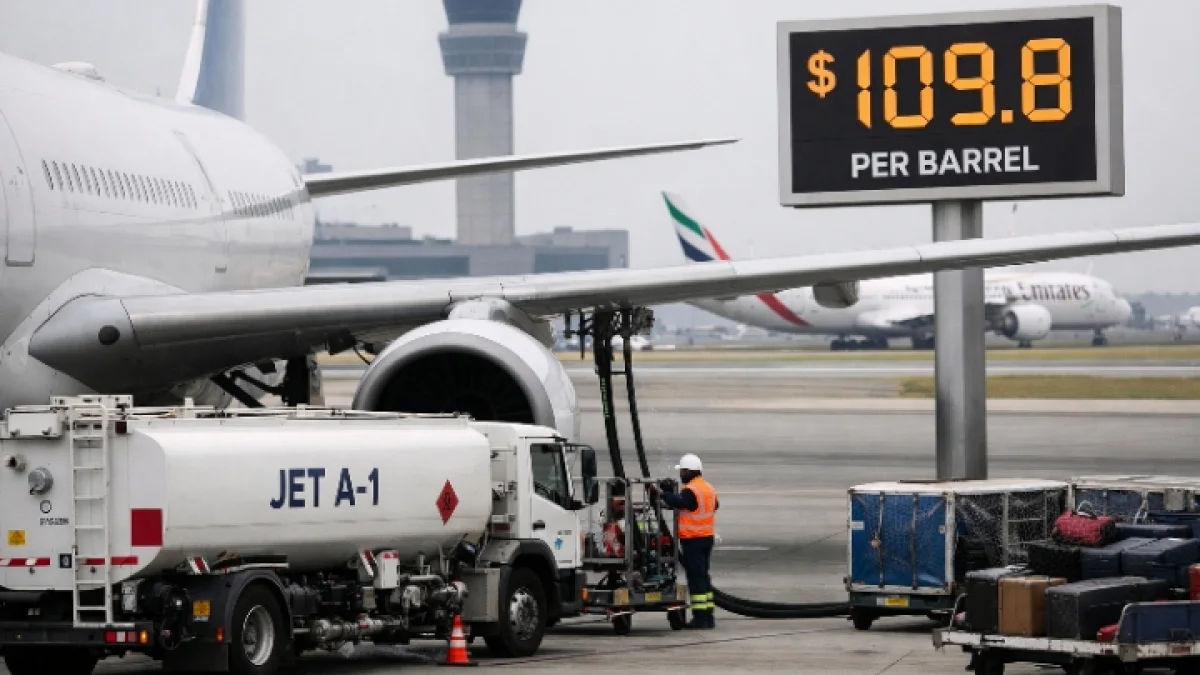
Brent crude futures rose more than 4% during Monday trading, while U.S. West Texas Intermediate crude also gained more than 4% after U.S. President Donald Trump said Washington was reinstating a naval blockade on Iran, according to market reports. The Strait of Hormuz, through which a significant share of global oil and liquefied natural gas shipments normally pass, has remained a central focus for traders following conflicting claims from Washington and Tehran over access and control of the route.
In equity markets, technology and semiconductor stocks came under pressure. The Nasdaq and S&P 500 moved lower as investors reduced exposure to sectors seen as vulnerable to renewed uncertainty, while energy shares benefited from rising crude prices. European stocks also declined, with the pan-European STOXX 600 index opening down as investors assessed the impact of the renewed tensions on economic conditions and corporate earnings expectations.
The latest market moves followed the breakdown of confidence around a previously announced U.S.-Iran interim agreement that had supported expectations of improved shipping conditions and lower energy risks. The two sides have offered competing accounts of the status of the arrangement, with Washington accusing Tehran of failing to meet commitments and Iran disputing U.S. actions.
Investors were also monitoring upcoming U.S. economic data and corporate earnings reports for signals on inflation, growth and the outlook for monetary policy. Market participants have been watching whether higher energy costs could affect inflation expectations and influence central bank decisions.
The latest confirmed developments showed markets continuing to react to security conditions in the Gulf, with oil prices elevated and investors awaiting further official statements from the United States and Iran on the status of the Strait of Hormuz and diplomatic efforts.