WASHINGTON — The International Monetary Fund lowered its forecast for global economic growth in 2026, saying the world economy is expected to expand by 3.0% this year as conflict-related energy disruptions and geopolitical uncertainty weigh on activity, even as investment linked to artificial intelligence helps cushion the slowdown.
In its July 2026 World Economic Outlook Update, released this week, the IMF reduced its 2026 global growth forecast from the 3.1% projected in April. It said global growth is expected to rebound to 3.4% in 2027, describing the outlook as a recovery following a weaker-than-anticipated year.
The IMF said the revised outlook reflects the combined effects of higher energy prices stemming from the conflict in the Middle East and stronger technology-related investment driven by advances in artificial intelligence. The institution said the impact differs across countries depending on their exposure to energy markets and their participation in technology supply chains.
Speaking during a briefing accompanying the report, IMF Research Department Deputy Director Petya Koeva Brooks said the world economy had so far proved more resilient than initially feared despite the recent energy shock.
"We are projecting global growth of 3 percent in 2026 and 3.4 percent in 2027," Brooks said, adding that the disinflation process had stalled as higher energy prices pushed up headline inflation.
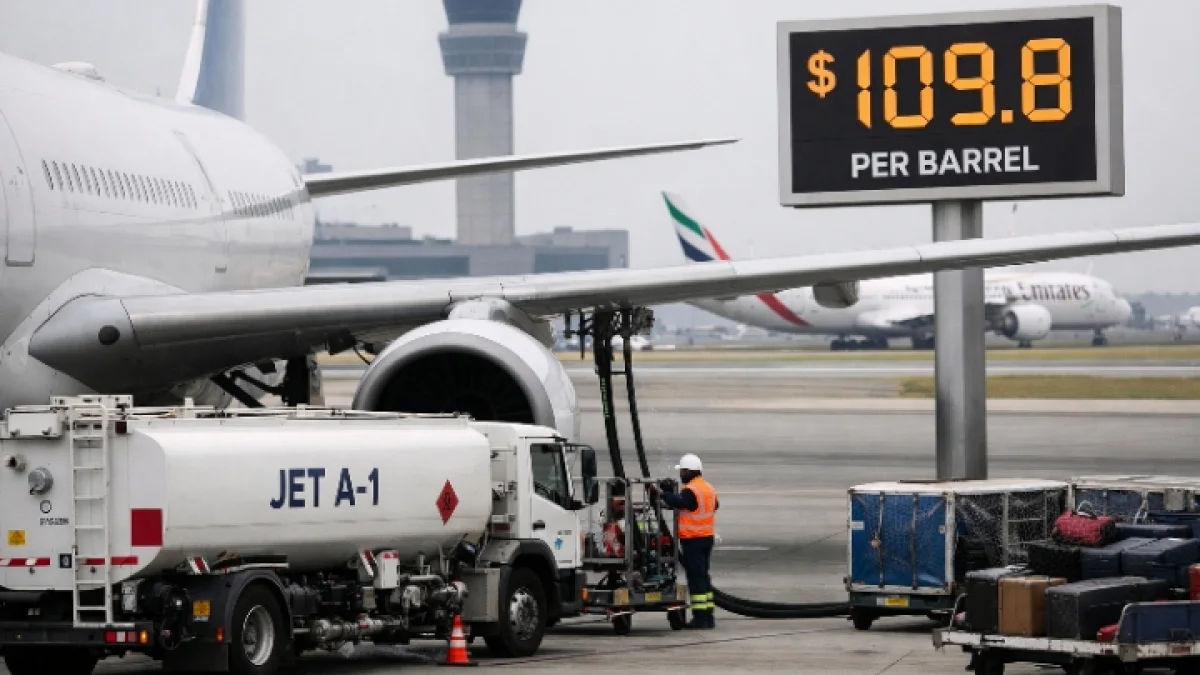
The IMF now expects global headline inflation to reach 4.7% in 2026 before easing to 3.9% in 2027. The forecast assumes shipping conditions through the Strait of Hormuz gradually normalize beginning in mid-July and that oil prices average about $89 per barrel this year.
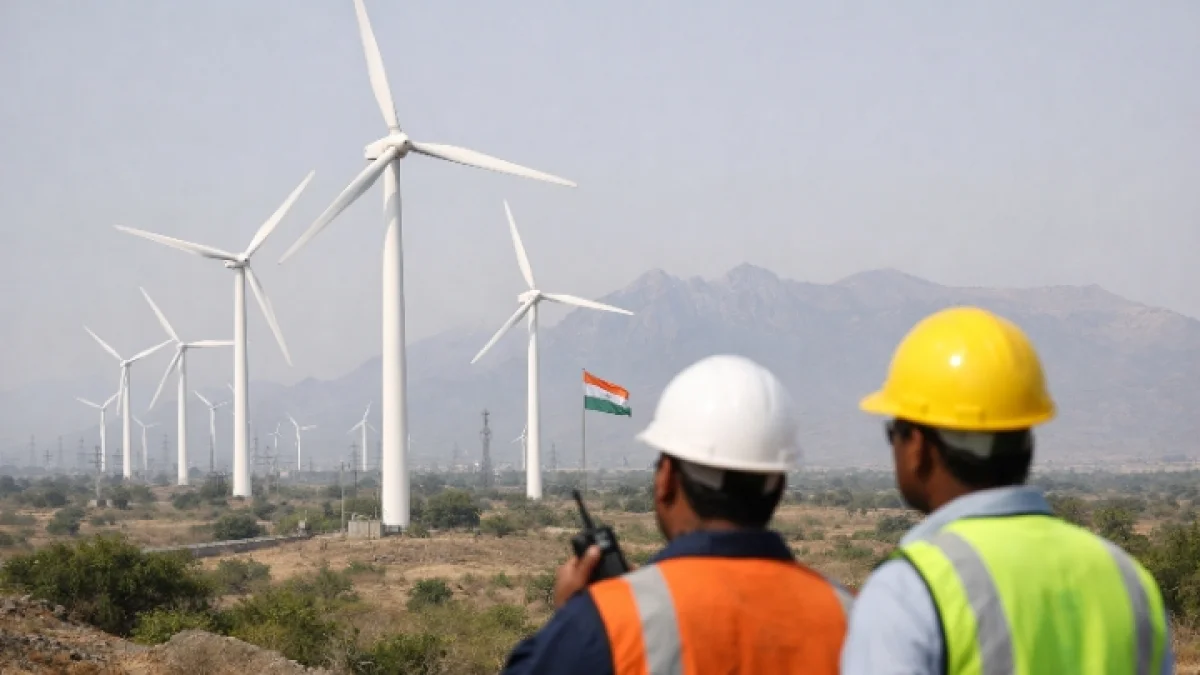
The update includes mixed revisions across major economies. The IMF left its U.S. growth outlook broadly unchanged while trimming forecasts for several advanced economies, including parts of Europe and Japan. China's outlook was revised modestly higher, while India's forecast was lowered slightly but remained among the strongest for major economies. Commodity exporters outside the conflict zone generally benefited from stronger terms of trade, while energy-importing economies with limited exposure to the technology sector faced weaker prospects.
The IMF said risks remain tilted to the downside, citing the possibility of renewed escalation in the Middle East, persistent inflation pressures, tighter financial conditions and a potential correction in AI-related asset valuations. It also said faster adoption of AI technologies and a quicker normalization of energy trade could improve the outlook.
The Fund urged central banks to remain focused on price stability while advising governments to rebuild fiscal buffers as temporary energy-related support measures are phased out, according to the latest outlook.