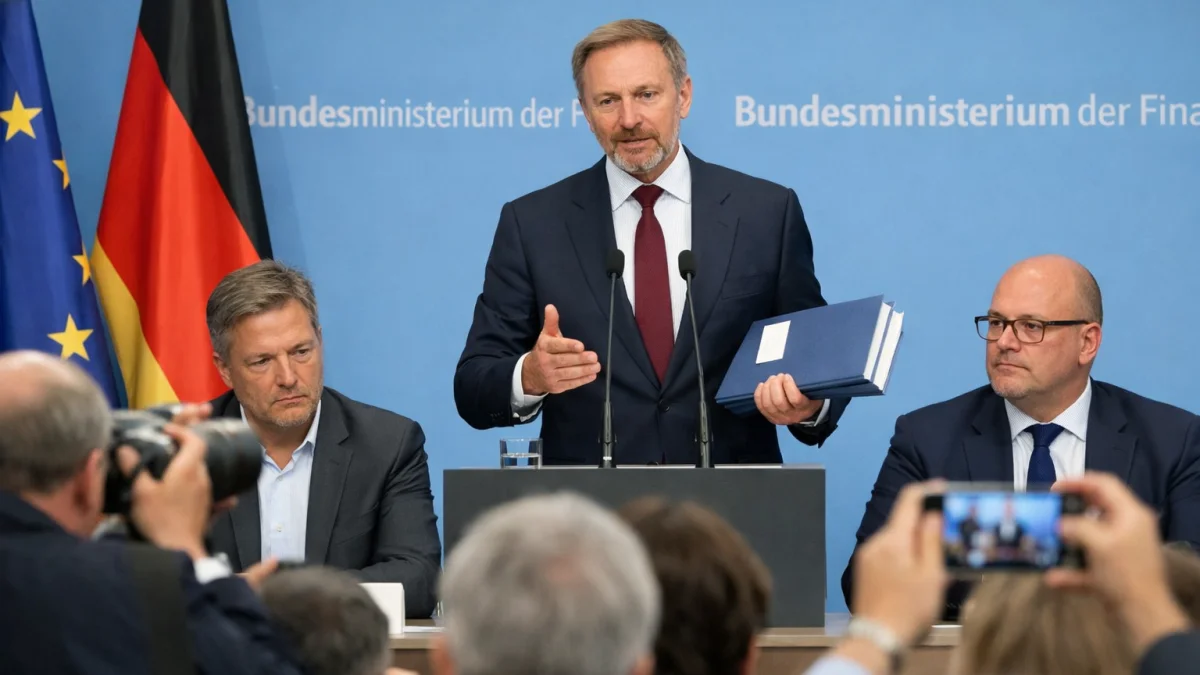
BERLIN — Germany's cabinet is set to approve a draft 2027 federal budget that projects more than 203 billion euros ($233 billion) in total borrowing, marking a further shift away from the country's long-standing fiscal restraint as the government increases spending on defence and infrastructure.
According to the draft budget and finance ministry sources, total borrowing will reach about 203.6 billion euros, up from the 196.5 billion euros outlined in the government's fiscal plans in April and well above the 50.5 billion euros borrowed in 2024 under the previous administration. The draft is scheduled for cabinet approval on Monday before moving to parliament for debate later this year.
The increase reflects Chancellor Friedrich Merz's government's strategy of using higher public investment to strengthen Europe's largest economy after years of weak growth, underinvestment in infrastructure and rising security demands.
The draft budget foresees total federal spending of 555.4 billion euros in 2027, compared with 543.3 billion euros projected previously. Investment spending is expected to rise to 117.5 billion euros, supported in part by a 500 billion euro infrastructure and climate fund approved after reforms to Germany's fiscal framework.
Defence accounts for a significant share of the additional expenditure. Core defence spending is set to increase to about 109 billion euros in 2027 from roughly 82 billion euros in 2026. Including military assistance for Ukraine and other security-related spending, total defence allocations are projected to reach about 130.1 billion euros, according to finance ministry sources.
The borrowing plan includes approximately 118.7 billion euros through the core federal budget, 54.9 billion euros financed via the infrastructure fund and about 30 billion euros from a special defence fund that is due to expire in 2027.
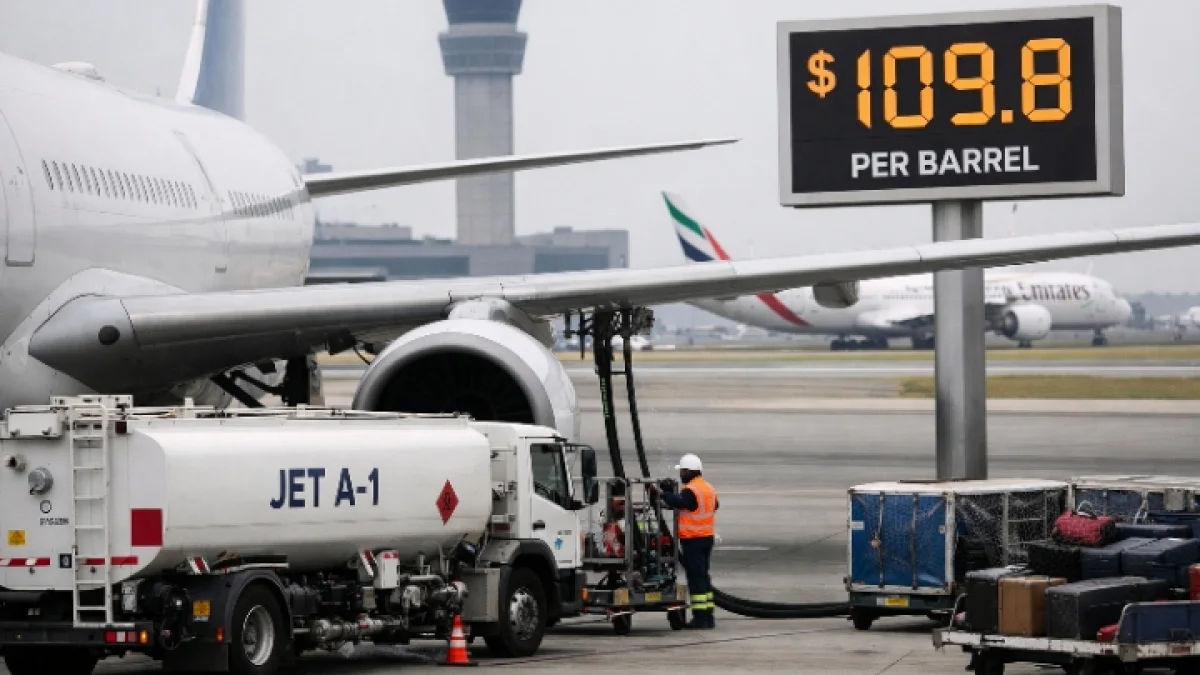
The budget draft also outlines the government's economic assumptions, including expectations that tensions in the Middle East will ease during the summer. However, it warns that prolonged disruption to shipping through the Strait of Hormuz or to global oil production could have far-reaching consequences for the German economy through higher energy costs and weaker growth.
Following cabinet approval, the draft budget will be submitted to Germany's parliament after the summer recess. Lawmakers are expected to begin detailed discussions in September, with final approval anticipated before the end of the year.