LONDON — Fertilizer prices declined this week following the reopening of the Strait of Hormuz, easing supply concerns that had driven agricultural input costs higher during months of disruption to one of the world's most important shipping routes, according to market analysts and industry reports released on Thursday.
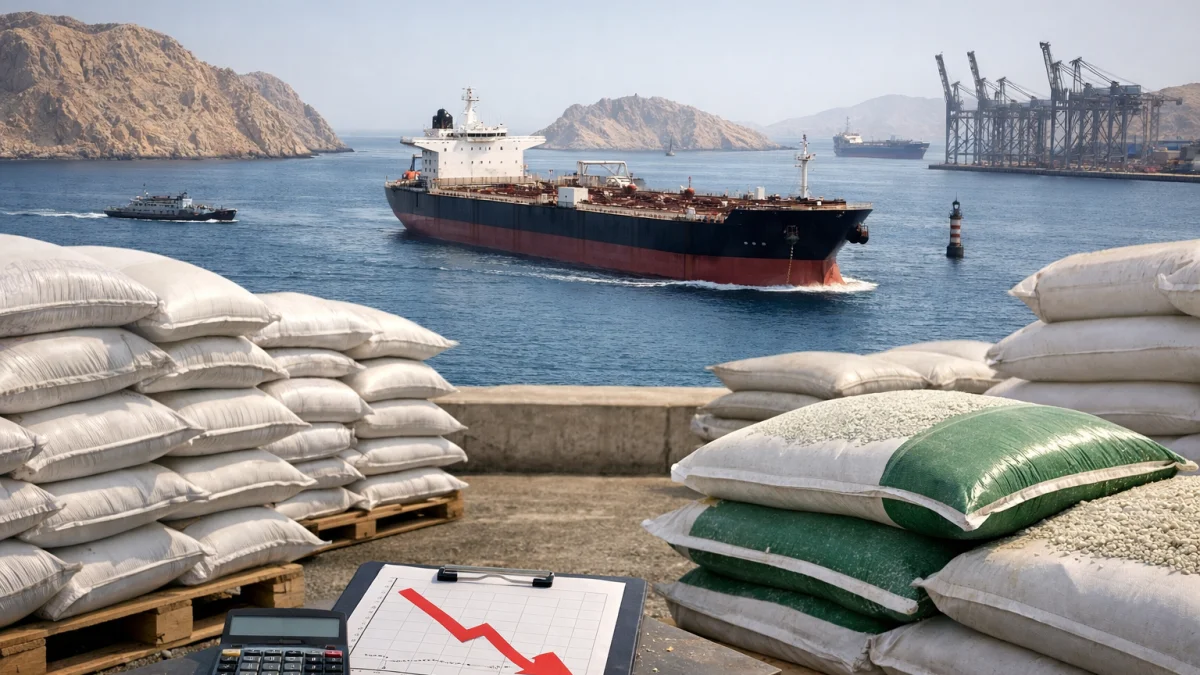
Prices for urea, a widely used nitrogen fertilizer, have fallen sharply in recent weeks as cargo shipments resumed through the strait and traders anticipated improved availability from major Middle Eastern exporters, agricultural market analysts said. Industry publications and market data providers reported that benchmark fertilizer prices retreated from peaks reached during the disruption.
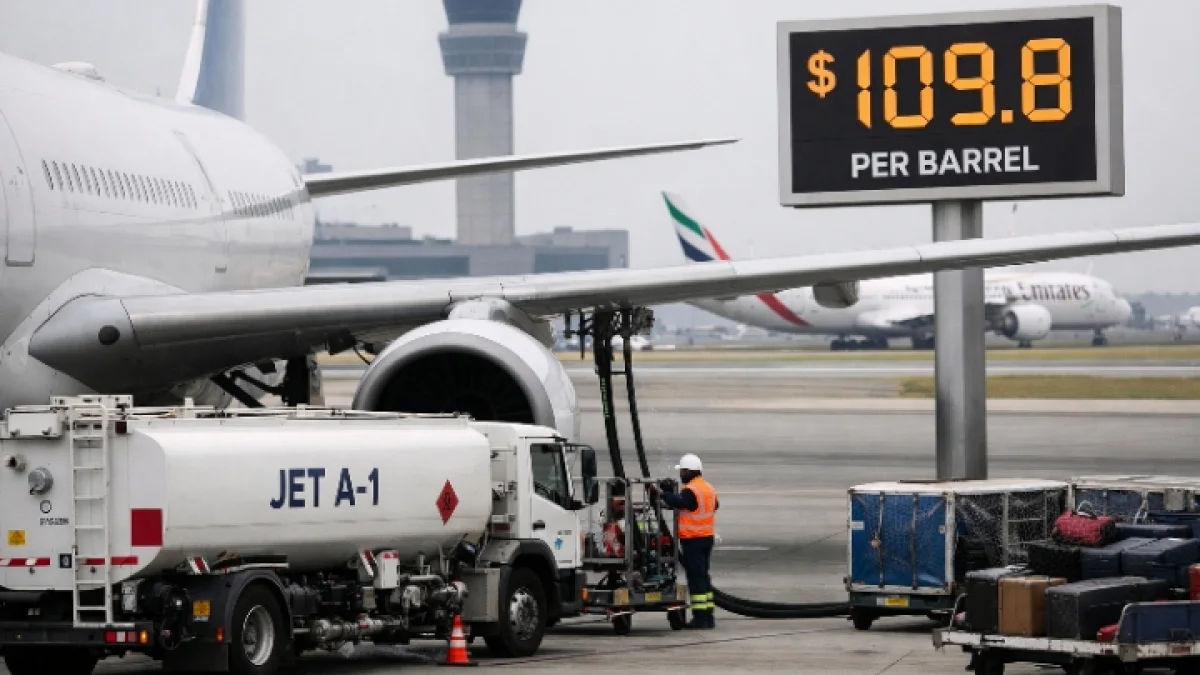
The Strait of Hormuz, a key transit route for energy products and fertilizer feedstocks, reopened after a period of disruption linked to regional hostilities and security concerns. The restoration of shipping traffic has also contributed to lower oil prices and improved confidence in commodity supply chains, according to shipping and energy market data.
Analysts said fertilizer markets had been particularly vulnerable because the Gulf region is a major supplier of ammonia, urea and other products used in agricultural production. Earlier this year, the World Bank reported that fertilizer prices had risen significantly following disruptions to exports moving through the strait, with urea recording some of the largest increases among major fertilizer products.
“Even though it's up year to date, it's down significantly in the past month with the expected opening of the Strait of Hormuz,” Bloomberg Intelligence fertilizer analyst Alexis Maxwell said during a recent market presentation, according to Agri-Pulse.
Farm groups and fertilizer buyers welcomed the decline in prices but cautioned that supply chains have not yet fully normalized. Shipping companies and commodity traders said logistics constraints, insurance costs and vessel availability continue to affect some trade routes despite the reopening. Details on how quickly inventories will be replenished in all regions remain unclear.
The earlier disruption had raised concerns among agricultural producers about planting costs and fertilizer availability ahead of key growing seasons. Industry analysts noted that a large share of global ammonia and other fertilizer-related exports pass through the Gulf region, making the market sensitive to interruptions in maritime traffic.
As of Thursday, tanker traffic through the Strait of Hormuz was continuing to recover and fertilizer shipments were moving through the route again, according to shipping and market reports. Fertilizer prices remained below the highs recorded during the disruption, while market participants monitored the pace of trade normalization.