WASHINGTON — Federal Reserve officials reaffirmed their commitment to restoring price stability on Tuesday, saying they remained focused on inflation risks even as policymakers monitored the potential economic effects of renewed global geopolitical tensions and volatile energy markets.
In testimony before the House Financial Services Committee, Federal Reserve Chair Kevin Warsh said the central bank had "no tolerance for persistently elevated inflation" and reiterated that officials were committed to returning inflation to the Fed's 2% objective. Warsh did not indicate what action policymakers were likely to take at their next policy meeting later this month, emphasizing instead that future decisions would remain dependent on incoming economic data.
His remarks came after government data showed U.S. consumer inflation eased in June from the previous month, reducing market expectations that the Federal Open Market Committee would raise interest rates at its July meeting. While headline inflation moderated, officials cautioned that a single month's data was insufficient to conclude inflationary pressures had been fully contained.
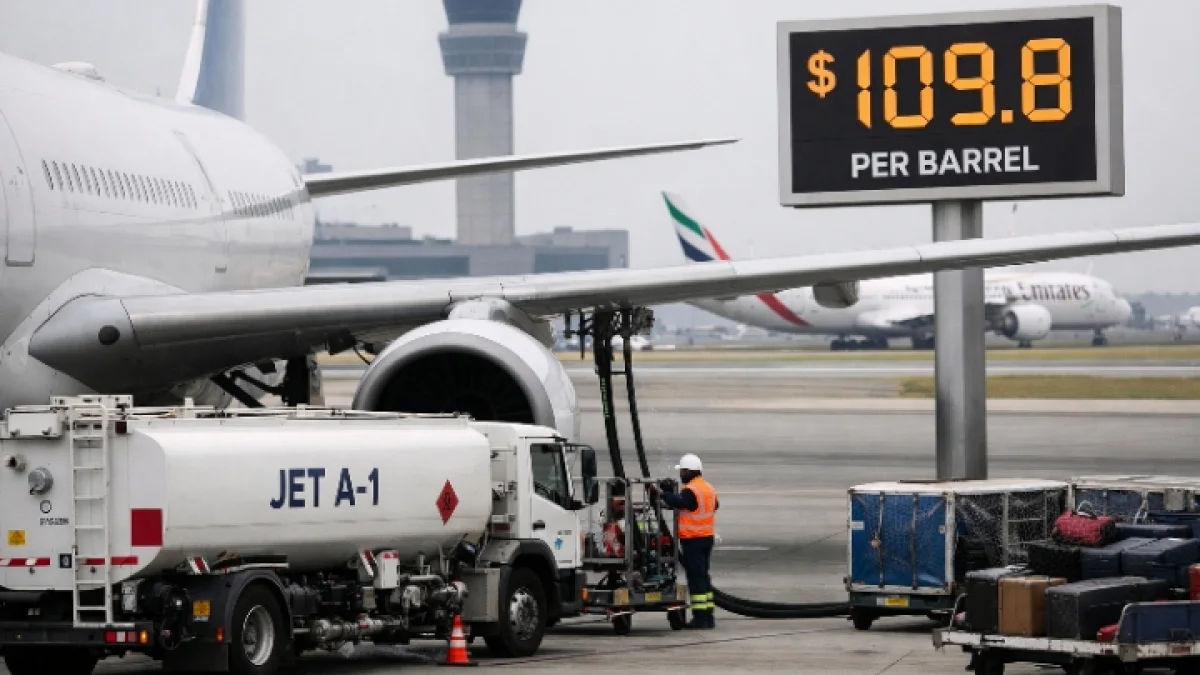
Warsh acknowledged that global developments, including renewed instability affecting energy markets, continued to present risks to the inflation outlook. Rising oil prices and broader geopolitical uncertainty could complicate the central bank's assessment of price pressures alongside domestic economic conditions, according to his testimony.
Other Federal Reserve officials have also highlighted upside inflation risks. Governor Christopher Waller said in remarks a day earlier that additional policy tightening could be warranted if underlying inflation proved stronger than expected, while stressing that policymakers should evaluate several months of data before reaching conclusions about the direction of monetary policy.
Financial markets interpreted the latest inflation figures as reducing the likelihood of an immediate rate increase. Futures pricing shifted sharply following the June consumer price report, with investors expecting policymakers to leave benchmark interest rates unchanged at the Federal Reserve's July 28-29 meeting while continuing to monitor inflation, labor market conditions and financial developments.
Warsh said the Federal Reserve would continue making decisions independently and in accordance with its dual mandate from Congress, maintaining that restoring price stability remained essential for sustaining long-term economic growth and employment. He said policymakers would continue evaluating economic indicators and global developments before determining the appropriate course for monetary policy.