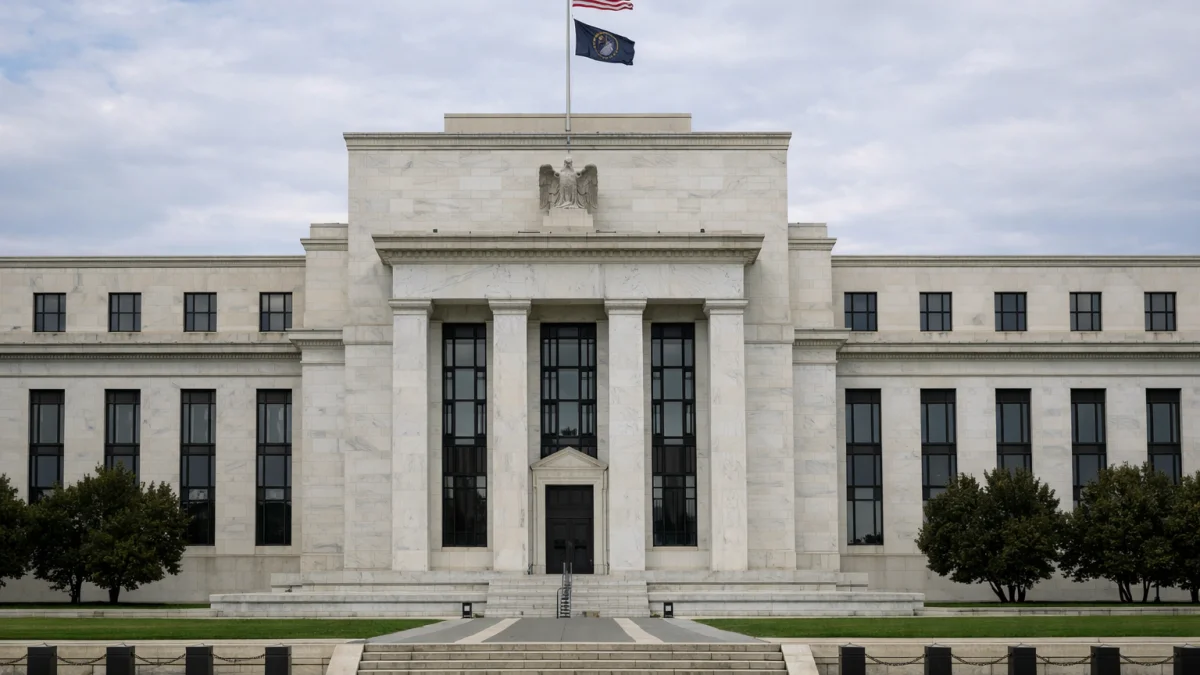
The U.S. Supreme Court’s decision to block President Donald Trump’s attempt to remove Federal Reserve Governor Lisa Cook has preserved the central bank’s legal protections from direct presidential removal, while simultaneously creating a new constitutional landscape in which the Fed stands apart from many other independent federal agencies. The 5-4 ruling allows Cook to remain on the Federal Reserve Board while litigation continues, rejecting an immediate dismissal effort based on allegations she has denied.
The significance extends beyond the individual dispute. The ruling places the Federal Reserve in a distinct category within the broader debate over executive power, confirming that monetary policy institutions retain a level of insulation from presidential control even as the Supreme Court has expanded presidential authority over other regulatory bodies. The decision reinforces a long-standing principle of central banking: that interest-rate decisions and monetary policy should be determined through institutional processes rather than direct political direction.
The case emerged from an unprecedented attempt by a U.S. president to remove a sitting Federal Reserve governor. Trump sought to dismiss Cook after allegations involving mortgage applications were raised against her, claims Cook has disputed. The legal question before the court was whether the president could remove a Fed governor under the Federal Reserve Act’s “for cause” standard and whether the process used to pursue removal satisfied legal requirements.
The Federal Reserve Act gives governors long terms designed to reduce political pressure. Members of the Board of Governors serve 14-year terms and may be removed only “for cause,” a protection historically understood to require a justification beyond disagreement over policy decisions. The structure reflects the Fed’s role in managing inflation, employment conditions, financial stability, and the broader economy without short-term political influence.
The ruling also arrives during a broader transformation of U.S. administrative law. On the same day, the Supreme Court strengthened presidential removal authority over other independent agencies, including by allowing the president greater control over officials who previously had statutory protections. Legal analysts described the Federal Reserve decision as a significant exception, preserving a separate framework for the nation’s central bank.
That distinction reflects the unique economic role of the Fed. Unlike many regulatory agencies, the central bank directly influences borrowing costs, financial markets, inflation expectations, and currency confidence through decisions on monetary policy. Economists and former officials have long argued that political control over rate-setting could undermine public confidence by creating doubts about whether policy decisions are based on economic conditions or electoral considerations.
The court’s decision does not end the broader legal and political dispute. The ruling addressed whether Cook could be removed immediately and whether the removal process met legal standards, while further proceedings remain possible. The administration has continued to challenge Cook’s position, while Cook and her supporters have argued that maintaining Fed independence is essential to preserving the institution’s credibility.
For financial markets, the immediate importance lies less in a change to monetary policy and more in the preservation of institutional expectations. Investors closely monitor the independence of central banks because credibility in inflation control and interest-rate decisions can affect bond markets, currency values, and long-term economic planning. The Supreme Court ruling reduces uncertainty over whether a president can directly remove Fed officials over policy disagreements, but it does not eliminate future debates over the boundaries between executive authority and central bank autonomy.
Historically, the Federal Reserve has maintained independence through a combination of statutory protections, institutional norms, and political practice. Presidents have criticized Fed decisions for decades, particularly when interest rates have affected economic growth or financial conditions, but direct attempts to remove sitting Fed governors have been extremely rare. The current dispute represents a major test of those protections in the modern era.
The confirmed situation is that Lisa Cook remains on the Federal Reserve Board while the legal process continues, and the Supreme Court has recognized a stronger protection for Fed officials than for many other independent agency leaders. Remaining uncertainties include the outcome of the underlying litigation, the future relationship between the White House and the Federal Reserve, and how courts will define the limits of presidential authority over institutions designed to operate with a degree of independence.