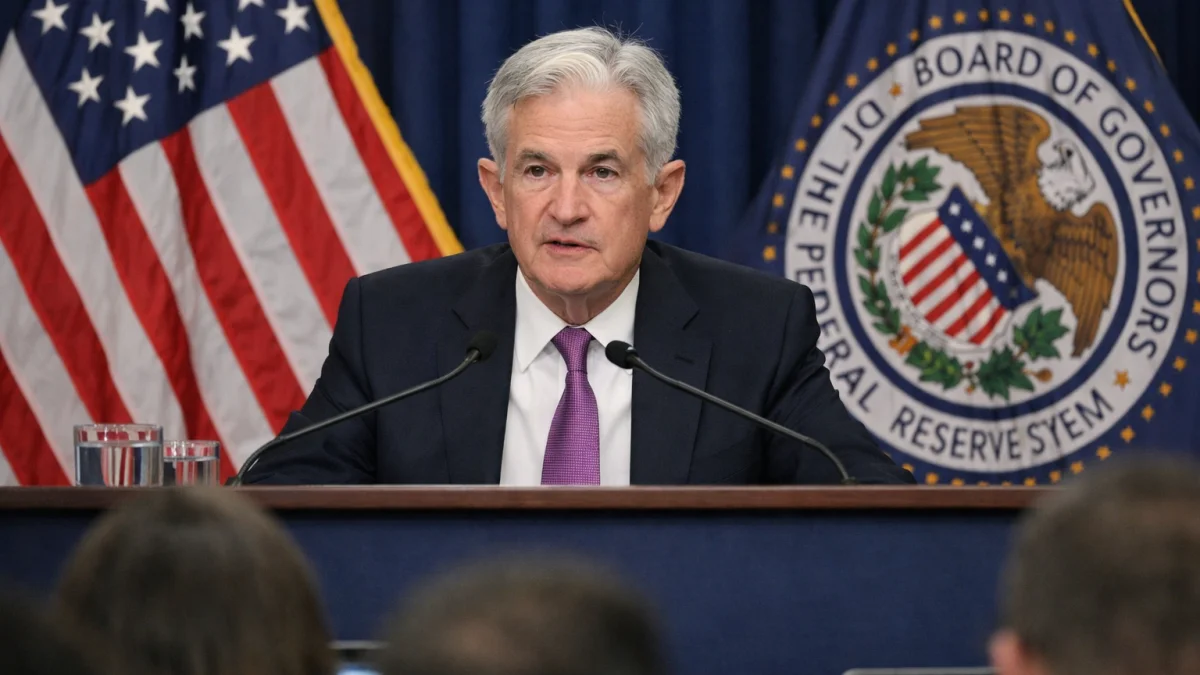
SINTRA, Portugal — Federal Reserve Chair Kevin Warsh said inflation in the United States remains too high and reaffirmed the central bank's commitment to returning price growth to its 2% target, while declining to signal how policymakers may act on interest rates at their next meeting.
Speaking at the European Central Bank's annual forum in Sintra, Portugal, Warsh said the Federal Reserve would not tolerate inflation above its long-standing objective despite political pressure for lower borrowing costs.
"If there were people in households or the business sector, in the financial markets, who thought that this central bank was going to be comfortable with an inflation objective above 2%, well, I guess they'd be disappointed," Warsh said during a panel discussion with other central bank governors. He added that the Fed would "deliver price stability" in the United States.
Warsh also stressed that the Federal Reserve would remain independent, saying there would be "no changes" to the central bank's autonomy despite public calls from President Donald Trump for interest rate cuts.
Although he said inflation risks had eased in recent weeks, aided in part by lower oil prices following a ceasefire in the Iran conflict, Warsh maintained that price pressures remained above the Fed's goal and warranted continued vigilance. He said inflation expectations had improved but cautioned that policymakers remained focused on ensuring inflation returns sustainably to target.
Warsh declined to provide forward guidance on the Federal Open Market Committee's next policy decision, saying discussions on interest rates would take place behind closed doors and that the central bank should avoid signaling future actions prematurely.
His comments come as investors assess mixed economic signals, including slower job growth, resilient consumer demand and uncertainty over the inflation outlook. San Francisco Federal Reserve President Mary Daly said earlier this week that monetary policy remains "slightly restrictive" and that the next policy step is uncertain given conflicting economic data.
The Federal Reserve held its benchmark federal funds rate at 3.5% to 3.75% at its June meeting, citing inflation that remained above target while acknowledging ongoing uncertainty surrounding the economic outlook. Financial markets currently expect policymakers to leave rates unchanged when they meet on July 28-29, though expectations for later moves remain dependent on incoming inflation and labor market data.