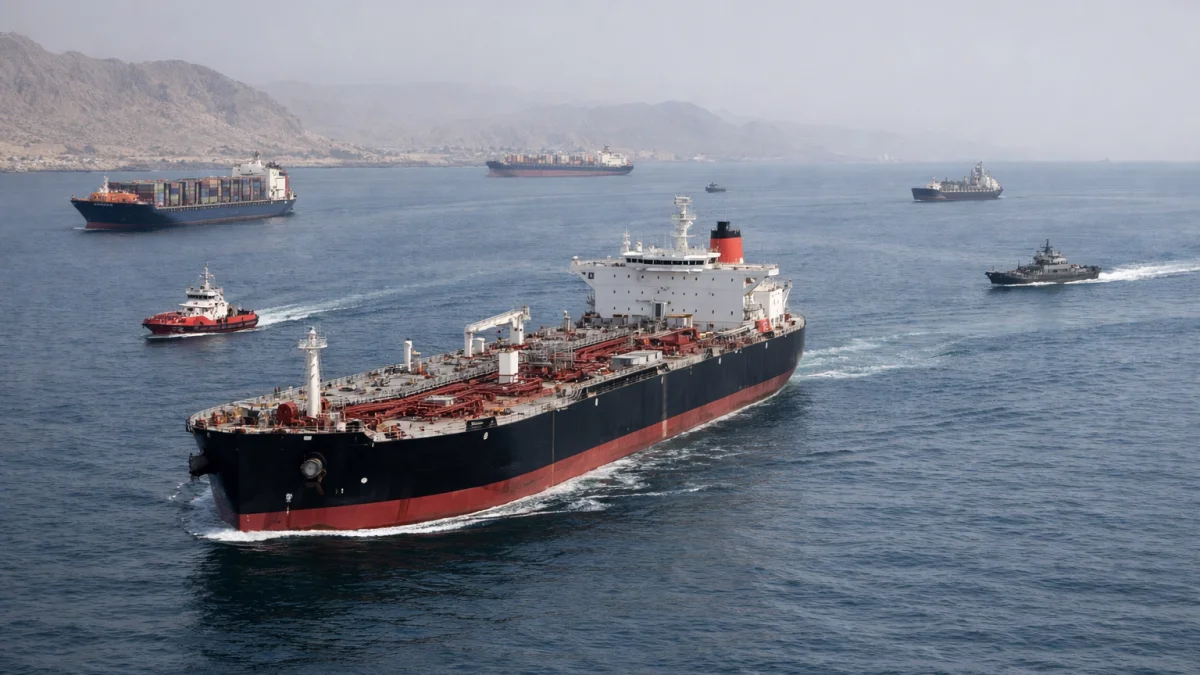
LONDON — Global energy markets adjusted to renewed risks of disruption at key oil transit chokepoints on Tuesday as escalating tensions around the Strait of Hormuz lifted crude prices and renewed concerns over fuel supplies, inflation and shipping security.
Brent crude rose to around $85 a barrel while U.S. West Texas Intermediate traded near $79, extending gains after renewed hostilities involving the United States and Iran raised uncertainty over one of the world's busiest oil shipping routes. The Strait of Hormuz typically carries about one-fifth of global oil consumption, making any disruption closely watched by producers, refiners and financial markets.
The International Energy Agency said in its July oil market report that the outlook had become more uncertain after hostilities intensified again in early July. The agency said benchmark prices had recovered from June lows as renewed exchanges of fire clouded expectations that oil flows through the Gulf would continue normalizing following an earlier easing of disruptions.
The IEA said global oil supply rebounded in June as exports through the Gulf partially recovered, but production remained well below levels seen before the regional conflict escalated. It added that its outlook for improving supplies later this year depended on a sustained de-escalation and continued tanker movements through the Strait of Hormuz.
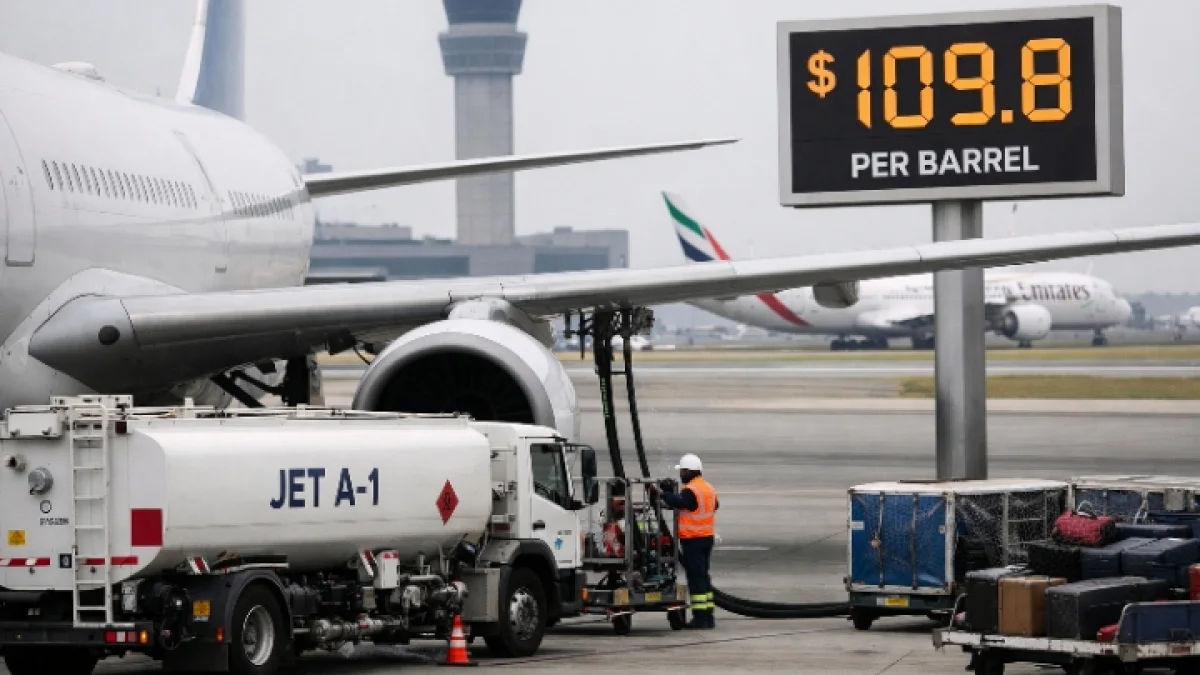
Market participants also monitored the availability of refined fuels. The IEA said refinery margins climbed to four-year highs in early July because refined product markets remained tighter than crude markets, with several Middle Eastern export refineries yet to return to full operations and Russian refining activity constrained by attacks on energy infrastructure.
Analysts said geopolitical risks were supporting oil prices even as broader economic indicators continued to influence demand expectations. Weaker-than-expected U.S. inflation data tempered some gains by reinforcing concerns over global economic growth, although uncertainty surrounding Gulf shipping continued to dominate trading sentiment.
Energy companies, shipping firms and governments continued to monitor vessel movements through the region, while policymakers assessed contingency measures including strategic stockpiles and alternative export routes. Several Gulf producers have invested in pipeline infrastructure that bypasses the Strait, but those routes cannot fully replace its capacity.
As of Tuesday, there was no official confirmation that commercial traffic through the Strait had ceased entirely, but market participants remained focused on developments affecting maritime security and the ability of producers to sustain exports through one of the world's most important energy chokepoints.