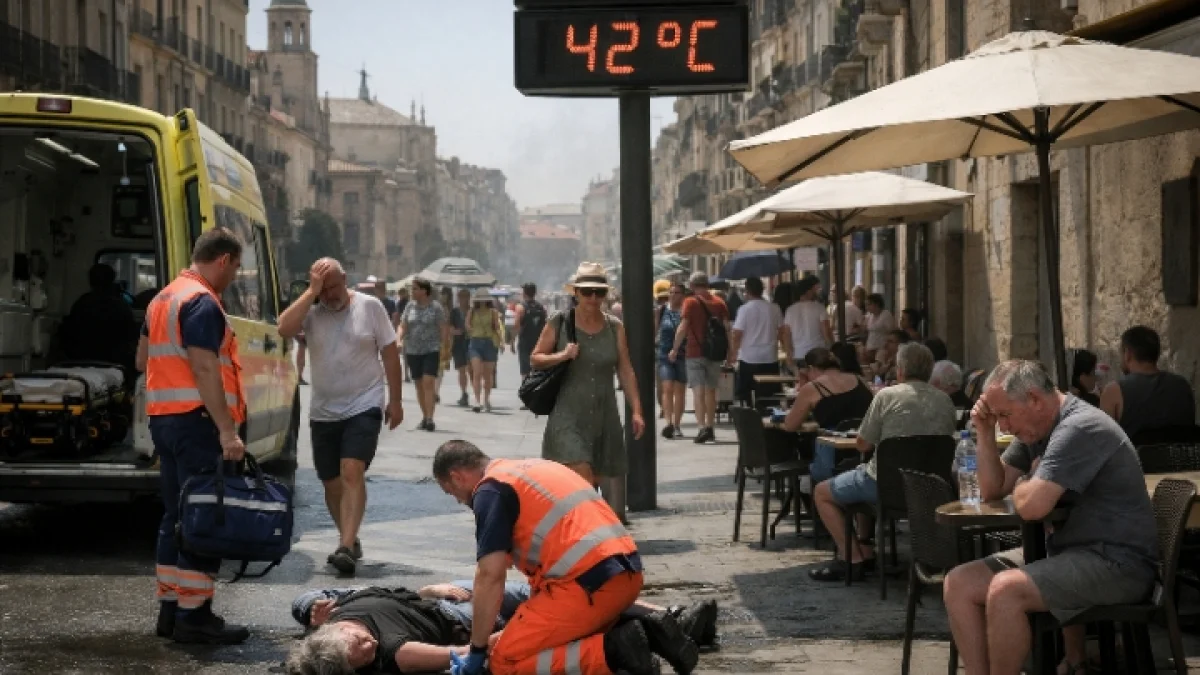
WASHINGTON — Emergency departments across the United States are reporting a sharp increase in patients suffering from heat-related illnesses as prolonged high temperatures and dangerous heat indices grip large parts of the country ahead of the Independence Day holiday, prompting health officials to renew warnings about the risks of extreme heat.
Hospitals in several major metropolitan areas said they were preparing for elevated patient volumes as forecasts called for temperatures approaching or exceeding 100 degrees Fahrenheit (38 degrees Celsius) in parts of the Northeast, Mid-Atlantic and other regions, with heat index values climbing even higher. Officials warned that outdoor holiday celebrations could increase the likelihood of heat exhaustion, heat stroke and dehydration.
The U.S. Centers for Disease Control and Prevention (CDC) said extreme heat remains one of the leading causes of weather-related deaths in the country and urged people to stay hydrated, seek air-conditioned spaces during the hottest parts of the day and monitor vulnerable family members and neighbors. The agency's Heat & Health Tracker monitors emergency department visits associated with heat-related illness nationwide to help communities respond to rapidly changing conditions.
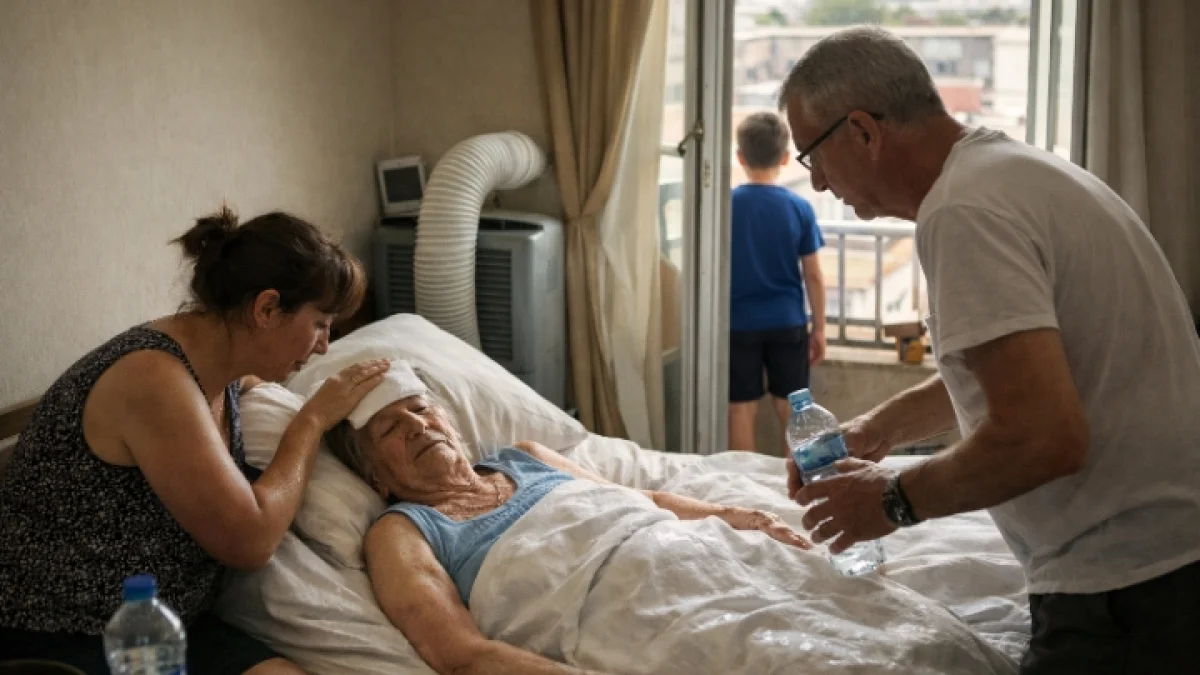
Medical experts said the greatest risks are faced by older adults, infants and young children, people with chronic medical conditions, outdoor workers and individuals without reliable access to air conditioning. Symptoms of severe heat illness can include confusion, dizziness, nausea, rapid body temperature increases and loss of consciousness, requiring immediate medical attention.
Local governments in several cities activated heat emergency plans that included opening cooling centers, extending public health outreach and increasing emergency medical staffing ahead of July Fourth events. Organizers of some outdoor activities adjusted schedules or expanded access to water stations and medical tents in response to the forecast.
Public health officials said many heat-related illnesses are preventable through early precautions, including limiting strenuous outdoor activity during peak afternoon hours, drinking water regularly and recognizing the warning signs of heat stress before they become life-threatening.
The CDC has said heat-related emergency department visits and hospitalizations provide an important measure of the health impacts of extreme weather, although reported figures may not capture every case because heat exposure is not always documented in medical records. The agency continues to monitor conditions through its national surveillance systems as extreme heat persists across parts of the country.