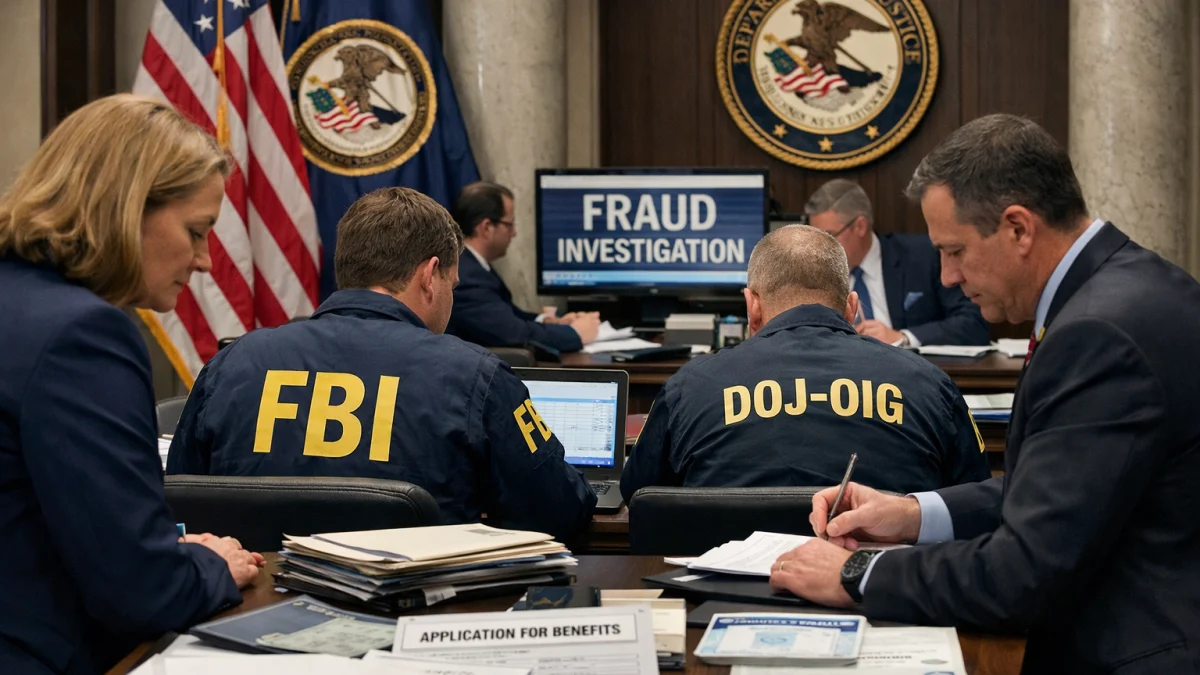
WASHINGTON, June 26 — The U.S. Department of Justice has begun accelerating its review of whistleblower complaints alleging fraud involving federally funded, state-administered benefits programs, implementing new procedures aimed at speeding enforcement under the False Claims Act, according to the department.
The reforms, announced by the Justice Department's Civil Division in late May and being implemented in recent weeks, establish expedited timelines for reviewing newly filed qui tam complaints, which are lawsuits brought by private whistleblowers on behalf of the federal government. The initiative applies to allegations involving programs funded by the federal government but administered by states, including Medicaid and certain public assistance programs, the department said.
Under the new framework, Justice Department attorneys are expected to complete an initial review of eligible complaints within 60 days where practicable and no later than 120 days. Following that review, the department will determine whether to intervene in the case, conduct further investigation, allow the whistleblower to proceed under government oversight, or seek dismissal if the claims lack sufficient legal or factual support, according to a memorandum issued by Assistant Attorney General Brett Shumate.
"The Civil Division will now prioritize qui tam complaints alleging fraud against public benefits programs," the department said in a May 27 statement, adding that the changes are intended to "move quickly on meritorious qui tam cases" while making more efficient use of enforcement resources.
The Justice Department said the policy implements an executive order issued earlier this year directing federal agencies to strengthen efforts to identify and prevent fraud involving taxpayer-funded programs. The memorandum also calls for closer coordination with criminal prosecutors, federal agencies administering benefits programs and the Justice Department's National Fraud Enforcement Division when appropriate.
Legal practitioners said the revised procedures could shorten investigative timelines for organizations that receive civil investigative demands or subpoenas related to False Claims Act matters. They also noted that whistleblowers may play a larger role in litigating cases if the government declines to intervene while retaining oversight authority.
The False Claims Act remains one of the federal government's primary civil tools for recovering funds obtained through fraud against government programs. Successful whistleblowers may receive a portion of any recovery, subject to statutory provisions.
The Justice Department has not said how many cases are expected to be reviewed under the accelerated process. Details on the impact of the revised procedures remain unclear, and department officials have not announced any changes to the legal standards governing False Claims Act investigations. The policy remains in effect as federal prosecutors continue reviewing new benefits-fraud complaints under the updated framework.