NEW YORK — Diplomatic efforts were continuing on Monday to prevent further escalation in the Middle East as international actors urged restraint following renewed military confrontations involving the United States and Iran, while mediators sought to preserve a fragile framework for negotiations.
The United Nations has called on all parties to avoid actions that could intensify the crisis and return to diplomatic engagement. U.N. Secretary-General António Guterres said renewed fighting risked undermining diplomatic progress and urged the United States and Iran to address outstanding issues through negotiations.
Regional governments have also been involved in efforts to reduce tensions. Officials from Qatar, Pakistan, Egypt and Saudi Arabia have held contacts with U.S. and Iranian representatives in an effort to support de-escalation and help establish conditions for further talks, according to reports citing mediation sources.
The diplomatic push follows renewed disputes over an interim agreement reached in June between Washington and Tehran. The memorandum was intended to halt hostilities and provide a framework for discussions on issues including shipping through the Strait of Hormuz, sanctions relief and Iran’s nuclear programme.
The agreement has since come under strain, with the two sides offering conflicting accounts of whether its commitments have been upheld. The United States has accused Iran of violating the arrangement, while Tehran has said Washington’s military actions undermined the deal.
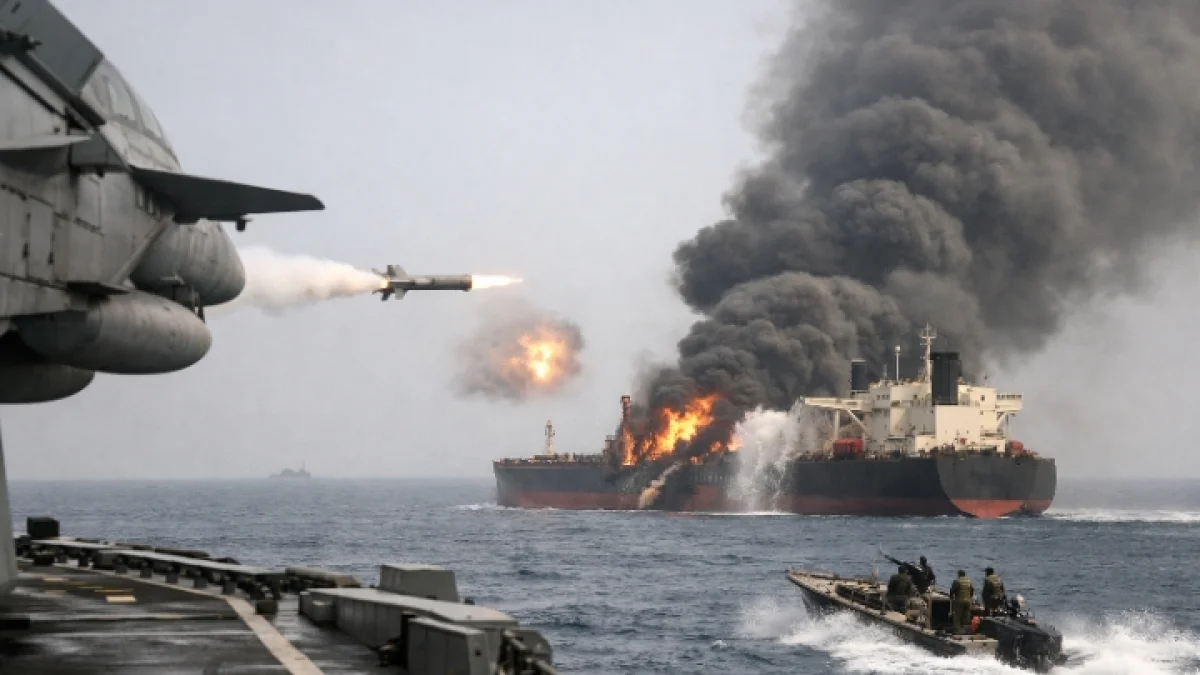
The Strait of Hormuz, a key route for global energy shipments, has remained a central point of disagreement. Disputes over maritime access and security measures have contributed to renewed tensions between the two countries.
Officials involved in mediation efforts have focused on restoring communication channels and addressing immediate security concerns before attempting to resume broader negotiations. The parties have not announced a new comprehensive agreement, and key issues remain unresolved.
The latest diplomatic activity comes as international organizations and governments warn that further military escalation could affect regional stability and global economic conditions. The United Nations has continued to call for maximum restraint and protection of civilians and civilian infrastructure.
No new formal round of negotiations has been confirmed, but mediators have continued contacts aimed at reducing tensions and keeping diplomatic channels open.