GENEVA — Declining childhood vaccination rates are contributing to a resurgence of measles in multiple regions, prompting renewed warnings from global and national health authorities that gaps in routine immunization are reversing years of progress against one of the world's most contagious diseases.
The World Health Organization (WHO), UNICEF and partner organizations have said persistent declines in routine childhood immunization, compounded by disruptions that began during the COVID-19 pandemic and continuing coverage gaps, have left millions of children vulnerable to measles outbreaks. Health agencies say sustained vaccination coverage of at least 95% with two doses of the measles-containing vaccine is needed to prevent community transmission.
In a joint update released during World Immunization Week, WHO, UNICEF and Gavi said the global "Big Catch-Up" initiative had delivered more than 100 million vaccine doses to an estimated 18.3 million children across 36 countries, including about 15 million children who had never previously received a measles vaccine. The agencies cautioned, however, that catch-up campaigns cannot replace strong routine immunization systems and warned that many infants continue to miss scheduled vaccinations each year.
The agencies said measles outbreaks have increased across every WHO region, with an estimated 11 million cases reported globally in 2024. They attributed the resurgence primarily to persistent gaps in routine immunization, while noting that declining confidence in vaccines in some communities has also contributed to reduced coverage.
In the Americas, the Pan American Health Organization (PAHO) has urged countries to strengthen disease surveillance, laboratory testing and vaccination campaigns following a sharp rise in confirmed measles cases during early 2026. PAHO said most infections with known vaccination status occurred among people who were unvaccinated or whose vaccination history was unknown, underscoring the role of immunity gaps in sustaining transmission.
The United States has also experienced a significant increase in measles cases during 2026. The U.S. Centers for Disease Control and Prevention has said vaccination remains the most effective protection against the disease, while public health officials have reported that the overwhelming majority of confirmed infections have occurred among unvaccinated people or those with unknown vaccination status.
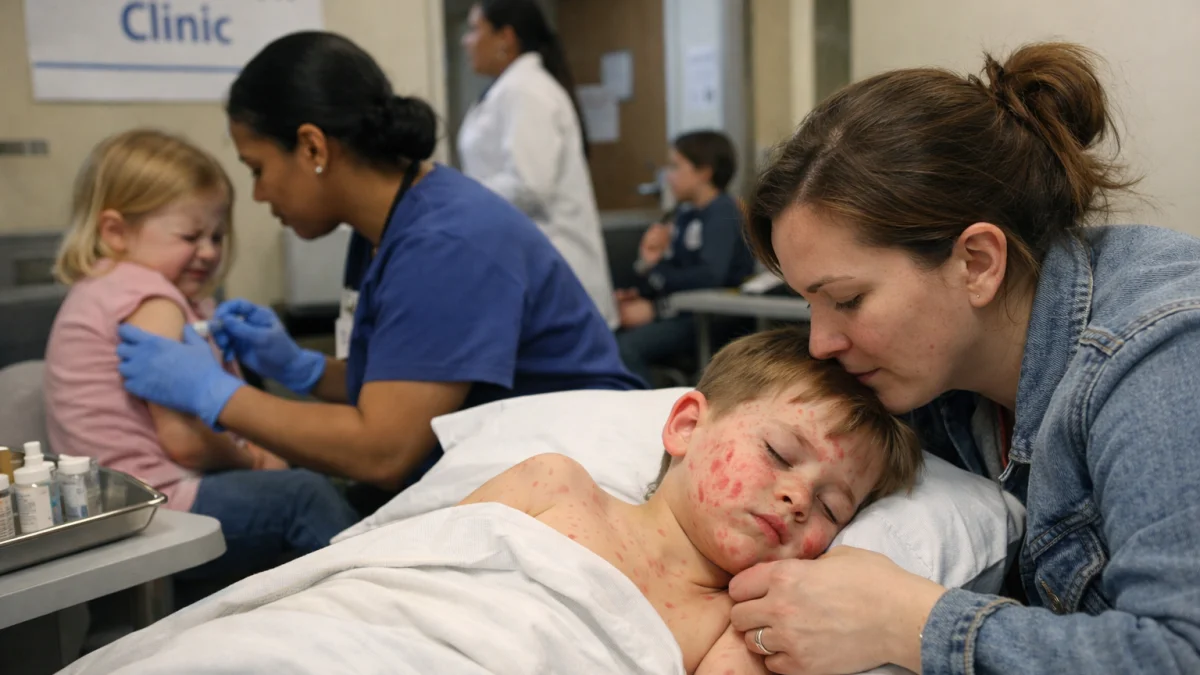
Health experts note that measles can lead to severe complications, including pneumonia and encephalitis, particularly in young children and people with weakened immune systems. Because the virus spreads easily through respiratory droplets, even modest declines in vaccination coverage can allow outbreaks to expand rapidly.
WHO, UNICEF and their partners said the priority now is to restore and strengthen routine childhood immunization programs, close remaining immunity gaps and improve surveillance to prevent further outbreaks.