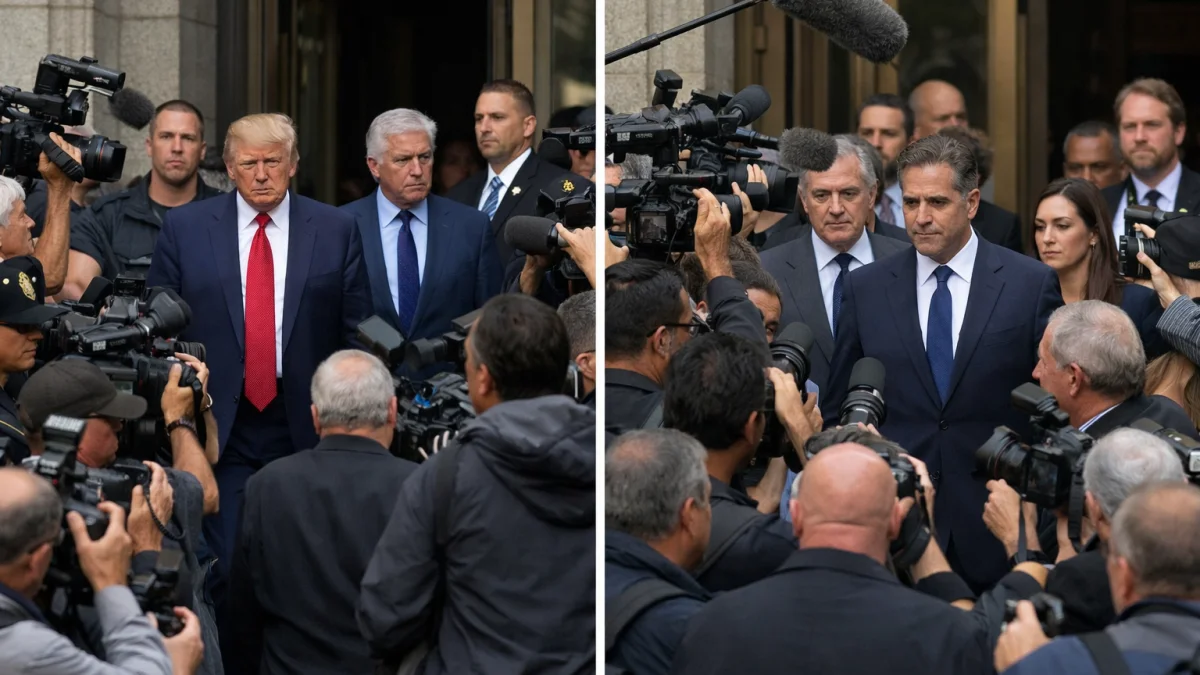
WASHINGTON — Courts in several jurisdictions continued to handle high-profile cases involving prominent political figures this week, underscoring the central role of the judiciary in resolving disputes with significant legal and political implications as multiple proceedings advanced through trial and appellate stages.
In the United States, the Supreme Court recently concluded its term after issuing a series of closely watched decisions involving the scope of presidential authority, election law and federal executive powers. Among the cases were challenges tied to actions by President Donald Trump's administration, with the rulings expected to shape future litigation over executive authority and the separation of powers.
Separately, lower federal and state courts continued to manage politically sensitive criminal and civil matters involving current and former public officials. Court filings and hearings proceeded under established judicial procedures, with judges emphasizing that allegations remain subject to legal review and that defendants are entitled to due process.
In France, appeals proceedings involving Marine Le Pen remained under close scrutiny after an appellate court modified an earlier ruling that had barred the National Rally leader from seeking public office while upholding her conviction in a case involving the misuse of European Parliament funds. Le Pen has continued to contest the ruling through the legal process, and the case remains one of the country's most significant judicial proceedings involving a senior political figure.
In Indonesia, courts continued hearings in cases related to allegations of defamation connected to claims about the academic credentials of former President Joko Widodo. The South Jakarta District Court has scheduled further proceedings in a second pretrial challenge filed by Roy Suryo after previously ruling that aspects of his search, arrest and detention were unlawful while allowing investigators to continue other parts of the case. A decision in the second pretrial petition is scheduled for July 20, according to the court.
Legal experts have said that politically prominent cases often attract heightened public attention but remain governed by the same procedural standards that apply to other litigation, including evidentiary requirements, rights of appeal and judicial independence.
Across the various proceedings, courts have stressed that ongoing cases remain subject to judicial review and that final legal outcomes will depend on evidence presented in court and subsequent rulings through the appellate process where applicable.