WASHINGTON — A legal battle over President Donald Trump’s effort to remove Federal Reserve Governor Lisa Cook will continue after the U.S. Supreme Court allowed Cook to remain in office while lower courts consider whether the administration can lawfully remove her from the central bank’s board.
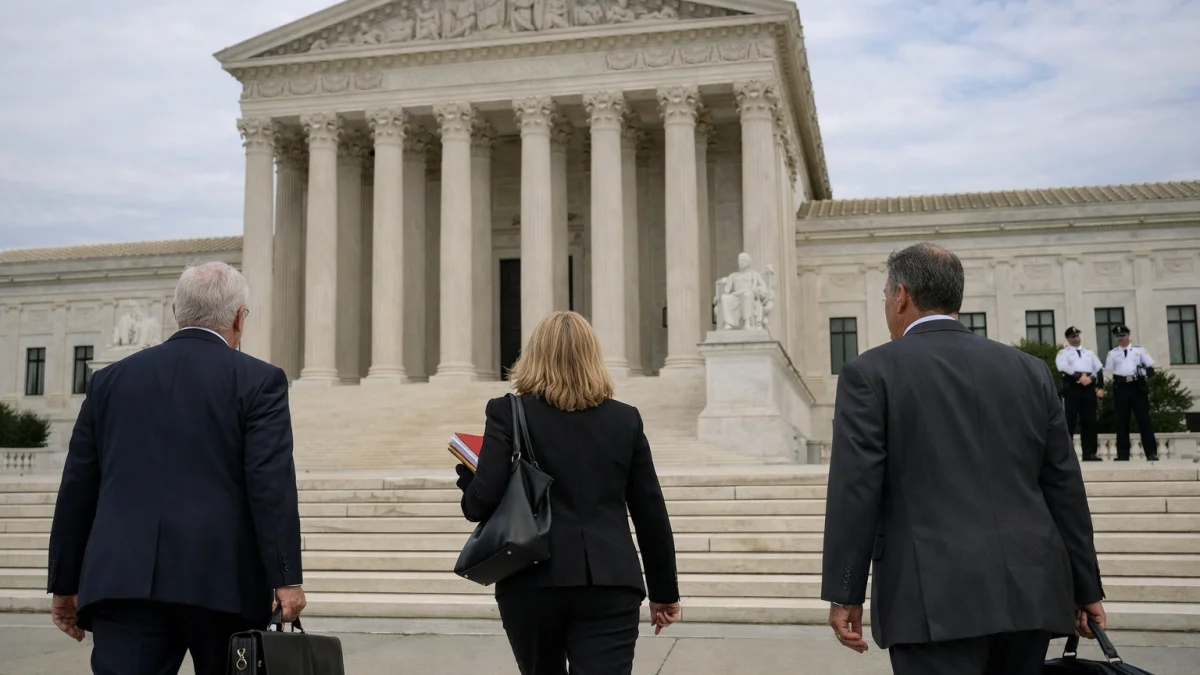
The Supreme Court on June 29 declined the administration’s request to lift a lower court order that had blocked Cook’s removal, leaving in place a preliminary injunction while the broader dispute proceeds. The 5-4 decision in Trump v. Cook did not finally determine whether the president may remove Cook for cause, but addressed whether the administration followed required legal procedures before attempting to oust her.
The dispute began in August 2025, when Trump sought to remove Cook, citing allegations involving mortgage applications made before she joined the Federal Reserve. Cook denied wrongdoing and challenged the removal attempt in court, arguing that the allegations did not meet the legal standard required for removal and that she was not given sufficient notice or an opportunity to respond before the action was taken.
Federal Reserve governors are appointed to long terms and may be removed by the president only “for cause” under federal law. Cook’s term on the Board of Governors is scheduled to run until 2038.
The Supreme Court’s decision preserved the Federal Reserve’s current structure, under which governors have protections intended to limit direct political influence over monetary policy. The court’s ruling came as part of a broader set of cases involving presidential authority over independent federal agencies. In a separate decision, the court expanded presidential power over some agency officials, creating a distinction between those agencies and the Federal Reserve.
Chief Justice John Roberts, writing for the court, said the ruling did not resolve the ultimate question of whether Cook could eventually be removed, but focused on the procedural protections required before such an action could occur.
The administration has maintained that the president had authority to remove Cook based on alleged misconduct, while Cook’s legal team has argued that the removal effort violated statutory and constitutional protections. The allegations against Cook remain disputed and have not been established in court.
The case now returns to the lower courts, where proceedings over the attempted removal and the underlying allegations are expected to continue.