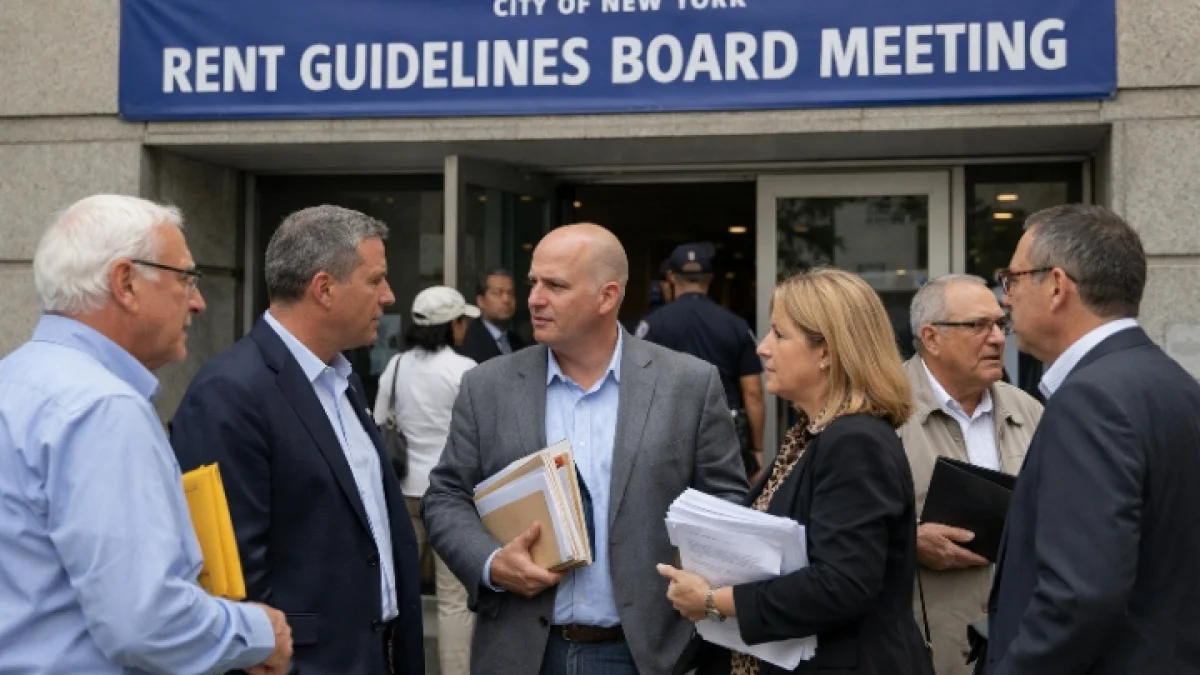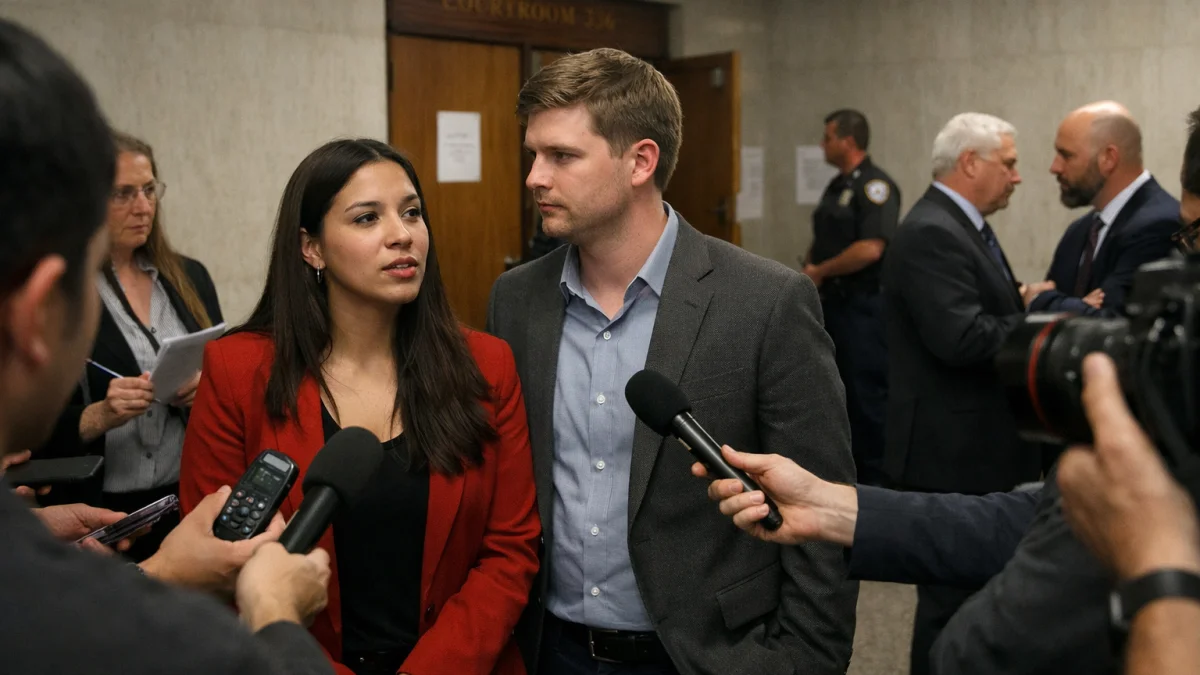
NEW YORK — Court challenges tied to a series of Democratic primary victories by candidates aligned with the Democratic Socialists of America are opening a new legal front in an already intensifying struggle over the party's direction, with election disputes and ballot litigation emerging alongside political fallout from the races.
The legal battles follow a wave of primary upsets in New York, Colorado and other states in which left-wing challengers defeated incumbent or establishment-backed Democrats, reshaping several congressional and local races ahead of the November general election. Reuters reported that the victories have exposed widening divisions within the Democratic Party over ideology and electoral strategy.
Among the cases drawing attention is a New York appellate court ruling in April that dismissed a years-long election law case against the Democratic Socialists of America. The court unanimously found that a state elections watchdog had improperly pursued allegations that the organization illegally coordinated fundraising during the 2022 election cycle, ending litigation that had imposed significant legal costs on the group.
Separately, election-related lawsuits involving ballot access and primary procedures continue in multiple states, underscoring the broader role courts are playing in shaping the 2026 election cycle. In Massachusetts, the state's highest court recently rejected a constitutional challenge to a proposed ballot initiative that would replace party primaries with a single all-candidate primary, allowing the measure to proceed to voters in November.
The courtroom disputes coincide with mounting political tensions after democratic socialist candidates secured high-profile victories. In Colorado, Democratic socialist Melat Kiros defeated longtime U.S. Representative Diana DeGette in a primary upset, while additional progressive victories reinforced what analysts described as a broader anti-establishment trend within Democratic politics.
Those outcomes have prompted sharply differing responses inside the party. Some centrist Democratic figures have argued the victories could complicate the party's prospects in competitive general election contests, while progressive leaders say the results reflect voters' demand for candidates advocating more left-leaning economic and social policies.
Election law experts note that litigation over ballot access, campaign finance and election procedures has become increasingly common in recent election cycles, with courts frequently called upon to resolve disputes before ballots are finalized.
Most of the lawsuits connected to the 2026 election cycle remain at various stages of judicial review, while candidates who secured primary nominations continue preparing for the November general election unless a court orders otherwise.