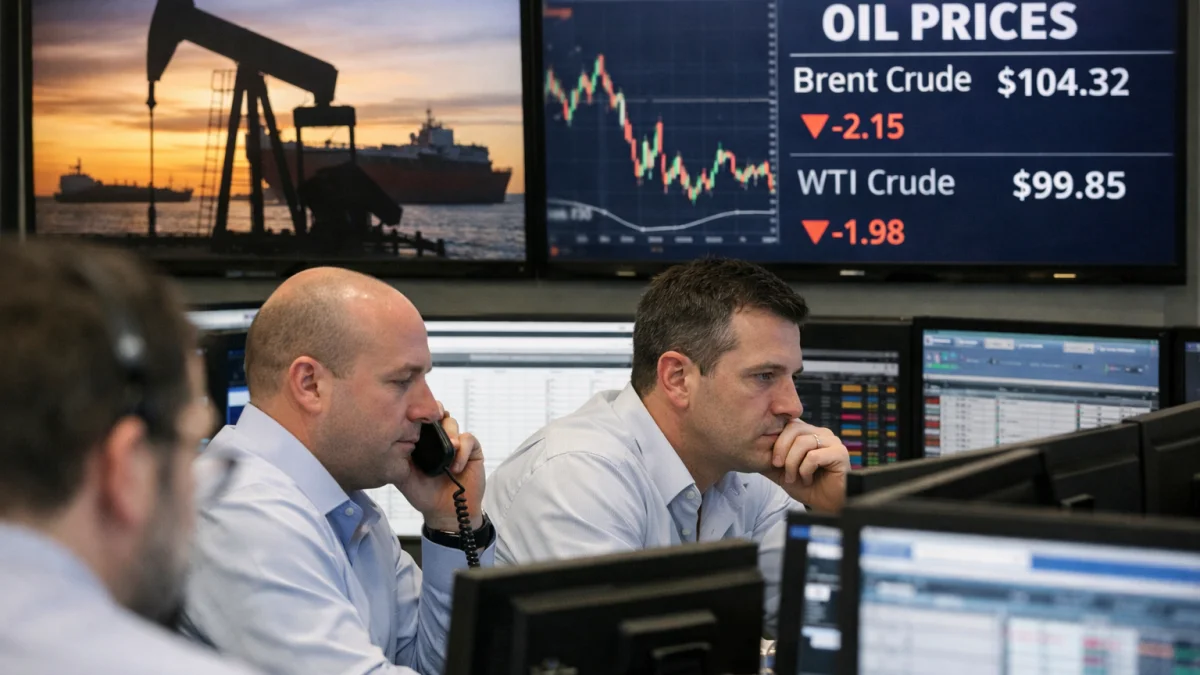
SINGAPORE—Commodity traders entered the second half of July weighing persistent uncertainty over global oil supplies as geopolitical risks, recovering Middle East exports and planned production increases by major producers sent mixed signals across energy markets.
Oil prices have retreated from peaks reached during the recent conflict involving Iran, but market participants remain focused on the pace of supply recovery through the Strait of Hormuz, the impact of additional OPEC+ output and the availability of refined fuels, according to market analysts and industry data.
OPEC+ agreed earlier this month to raise collective production targets by 188,000 barrels per day beginning in August, marking another step in the group's gradual reversal of earlier output curbs. The decision comes as exports through the Strait of Hormuz continue to recover, although shipping activity has not fully returned to pre-conflict levels.
Despite the increase in crude supply, traders have continued to monitor signs of tightness in refined fuel markets. Analysts say gasoline and diesel markets remain under pressure because of limited refining capacity, low inventories in several regions and disruptions affecting diesel exports, leaving fuel prices relatively elevated even as benchmark crude prices have eased.
Market participants have also been assessing demand prospects. While higher OPEC+ production could add to global supplies, analysts have said the balance will depend on the strength of consumption, particularly in Asia, and the pace at which buyers increase purchases following recent price declines.
Another factor supporting sentiment has been government plans to replenish strategic petroleum reserves after emergency stock releases during the recent supply disruption. Analysts estimate that reserve purchases extending through 2028 could provide additional demand for crude and help absorb part of the expected production increase from major exporters.
Even so, traders remain cautious about the potential for renewed volatility. While immediate concerns over physical crude shortages have eased, analysts say any disruption to shipping routes, delays in export recovery or shifts in global demand could quickly alter market expectations.
For now, commodity markets continue to balance expectations of expanding crude supplies against ongoing uncertainty surrounding logistics, refining capacity and geopolitical developments, with investors watching upcoming production data, shipping flows and inventory reports for further direction.