GENEVA — Global efforts to adapt health systems to climate change are facing mounting strain as governments confront increasingly frequent extreme weather events, widening funding gaps and growing pressure on healthcare infrastructure, according to recent assessments by the World Health Organization (WHO) and other international bodies.
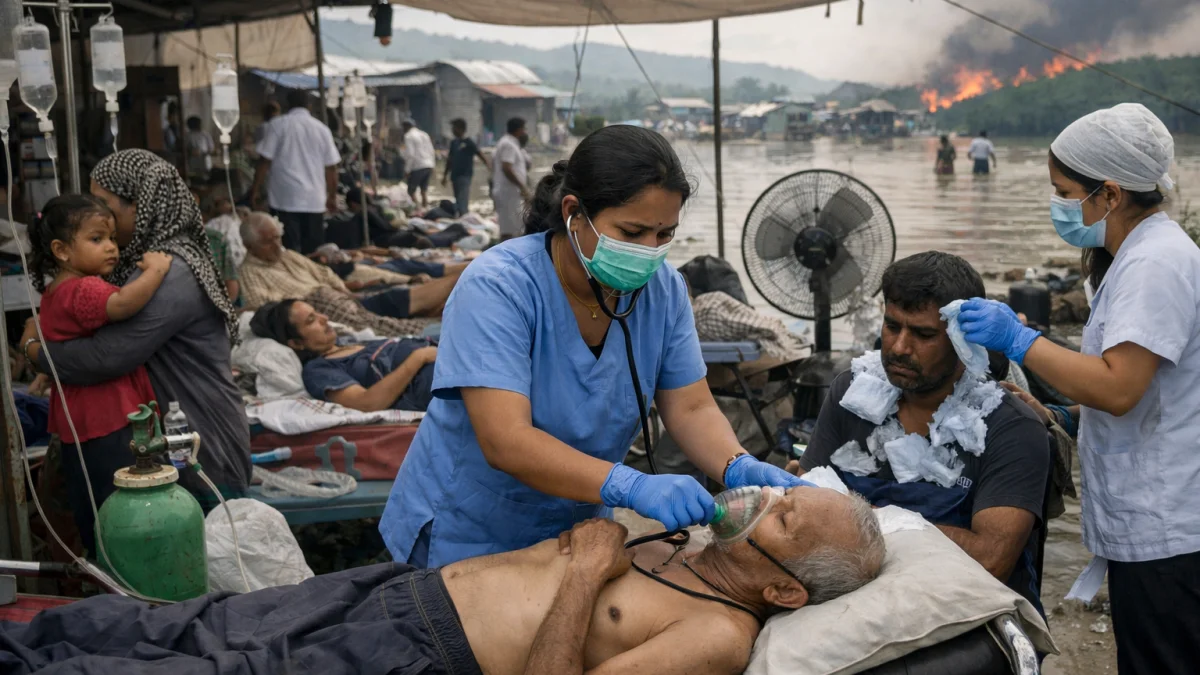
WHO and health experts have warned that rising temperatures, floods, wildfires and other climate-related hazards are exposing weaknesses in health systems that were not designed to cope with escalating climate risks. The agency has called for greater investment in climate-resilient healthcare facilities, workforce preparedness and emergency planning as countries experience more severe heatwaves and weather-related disruptions.
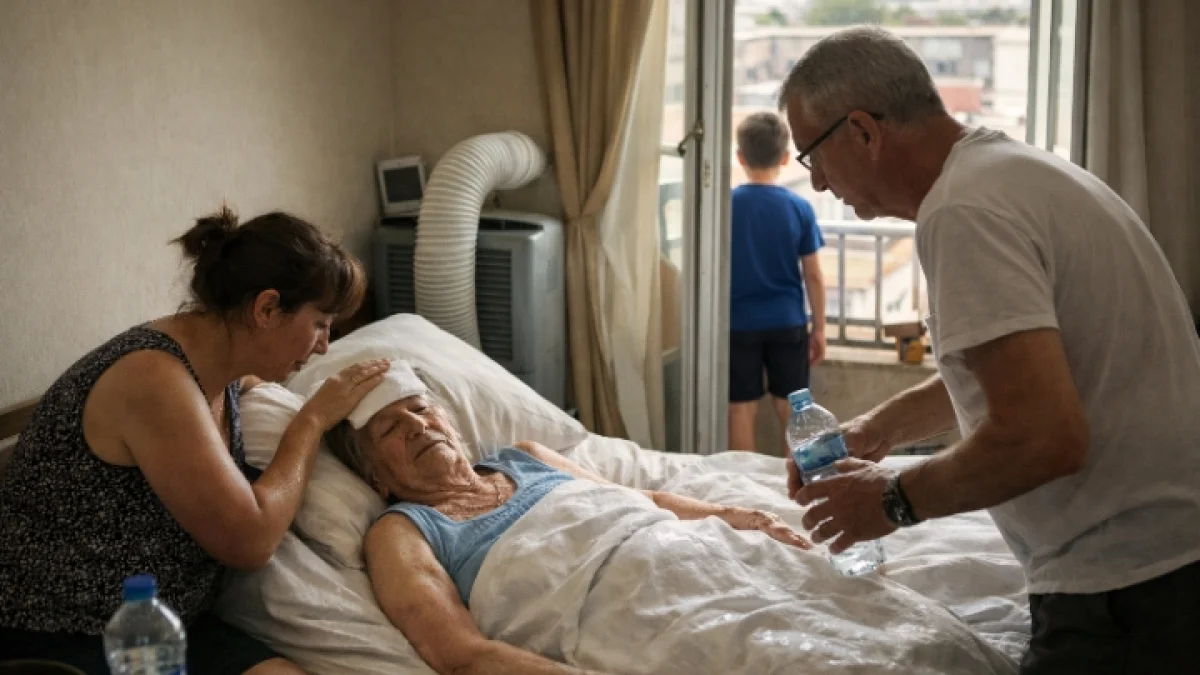
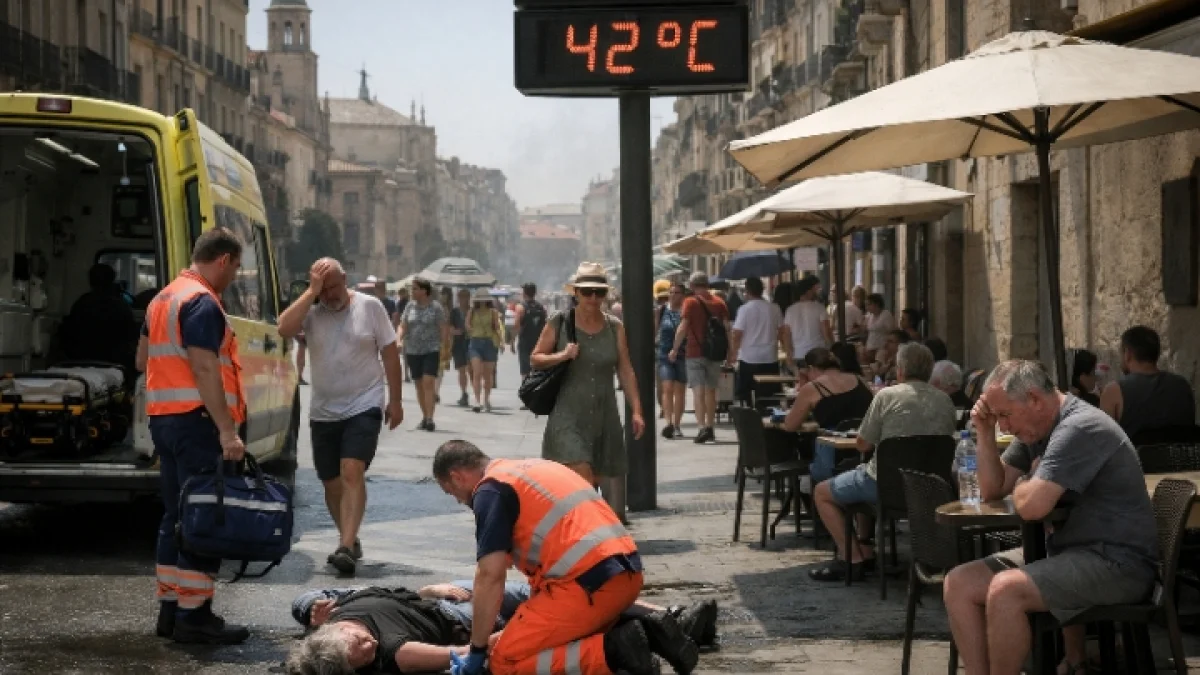
The warning comes as large parts of Europe experienced record-breaking heat in recent weeks, placing hospitals and emergency services under significant pressure. WHO officials have urged governments to prepare health systems before extreme temperatures occur, saying heat has become a public health emergency rather than solely a weather-related issue.
In May, the WHO-convened Pan-European Commission on Climate and Health published 17 recommendations urging governments to treat climate change as a health security priority, strengthen climate resilience in health systems and reform financing to support adaptation alongside emissions reductions. The commission also called on WHO to consider declaring climate change a public health emergency of international concern.
"Climate change is a security threat, a health emergency and an economic time bomb, all rolled into one," WHO Regional Director for Europe Dr. Hans Henri P. Kluge said in the commission's report.
WHO has also warned that broader financial pressures are weakening global health capacity. Director-General Tedros Adhanom Ghebreyesus told the agency's Executive Board earlier this year that reductions in international aid and funding shortfalls had disrupted health services in many countries, particularly lower-income nations, while increasing vulnerability to public health threats.
The agency says climate-resilient health systems require investments in infrastructure, reliable energy supplies, disease surveillance, resilient supply chains and workforce training. New WHO guidance published in March proposed standardized indicators to help countries measure progress in building resilience while reducing greenhouse gas emissions from healthcare systems.
United Nations Secretary-General António Guterres has also called for climate adaptation to become a central economic priority, warning that adaptation remains significantly underfunded despite growing risks. He has urged governments and financial institutions to mobilize additional resources for resilience measures, particularly in developing countries facing disproportionate climate impacts.
WHO continues to work with governments through initiatives including the Alliance for Transformative Action on Climate and Health, which met in Paris in late June to coordinate measures aimed at strengthening climate-resilient health systems as extreme weather events become more frequent.