NEW YORK — Bond traders sharply reduced expectations that the U.S. Federal Reserve will raise interest rates at its July policy meeting after fresh inflation data pointed to easing price pressures, prompting a rally in government bonds and reinforcing expectations that policymakers will keep borrowing costs unchanged this month.
Market pricing shifted after U.S. government data showed consumer inflation slowed more than expected in June. The Consumer Price Index rose 3.5% from a year earlier, down from 4.2% in May, while core inflation, which excludes food and energy prices, held at 2.6%, according to the Labor Department.
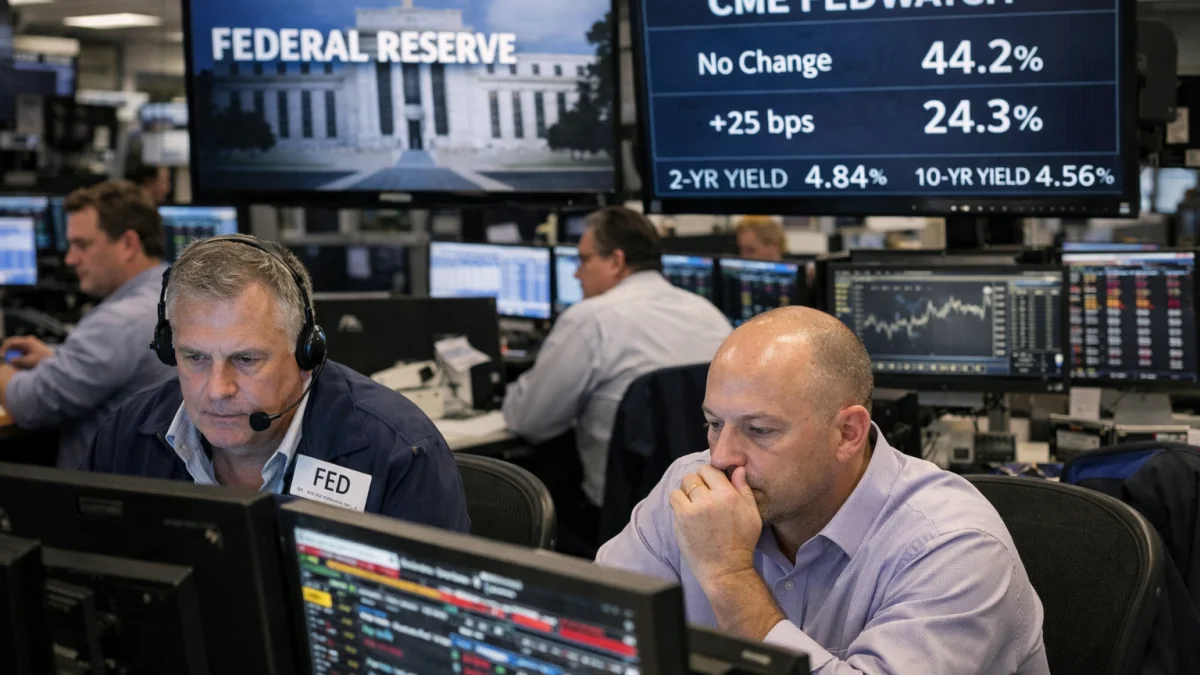
Interest-rate futures indicated investors now see only a small probability that the Federal Open Market Committee will approve a quarter-point rate increase when it meets later this month. The implied odds of a July increase fell sharply from levels seen before the inflation report, while expectations for a September move also eased, according to pricing in futures markets.
The change in expectations pushed Treasury yields lower, with the policy-sensitive two-year Treasury yield declining as investors increased bets that the central bank would wait for additional evidence before tightening monetary policy further. U.S. stocks also edged higher following the release of the inflation figures as investors welcomed the prospect of a steadier interest-rate outlook.
Federal Reserve Governor Christopher Waller said policymakers would prefer to see several months of cooler inflation before deciding whether additional rate increases are needed, while cautioning that persistently elevated inflation could still warrant tighter monetary policy.
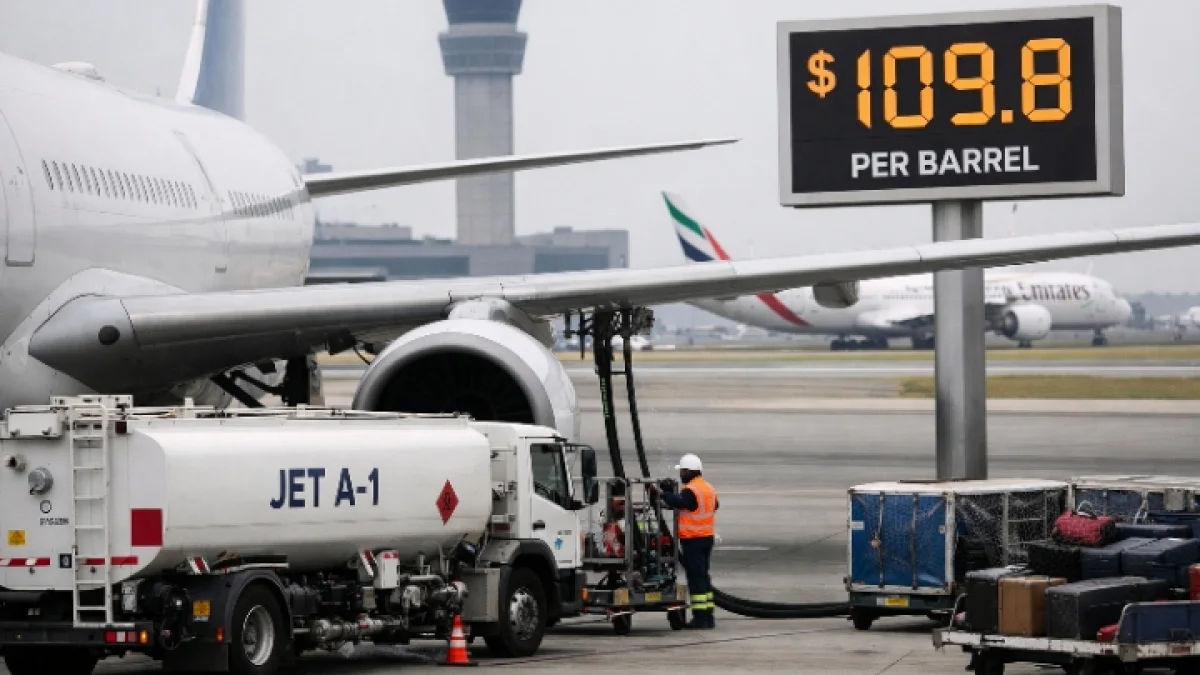
The latest inflation figures arrive after weeks of heightened concern that rising energy prices and geopolitical tensions could complicate the Fed's effort to return inflation to its 2% target. Although headline inflation remains above that objective, the June report suggested underlying price pressures moderated despite continued strength in consumer demand.
Investors are also awaiting testimony from Federal Reserve Chair Kevin Warsh before Congress for further guidance on the central bank's assessment of inflation and the economic outlook. Analysts said his remarks could influence expectations ahead of the July policy meeting, although financial markets currently view no change in rates as the most likely outcome.
The Federal Reserve's benchmark policy rate currently stands in a target range of 3.50% to 3.75%. Policymakers have repeatedly said future decisions will depend on incoming economic data, particularly measures of inflation and labor market conditions, rather than follow a predetermined path.