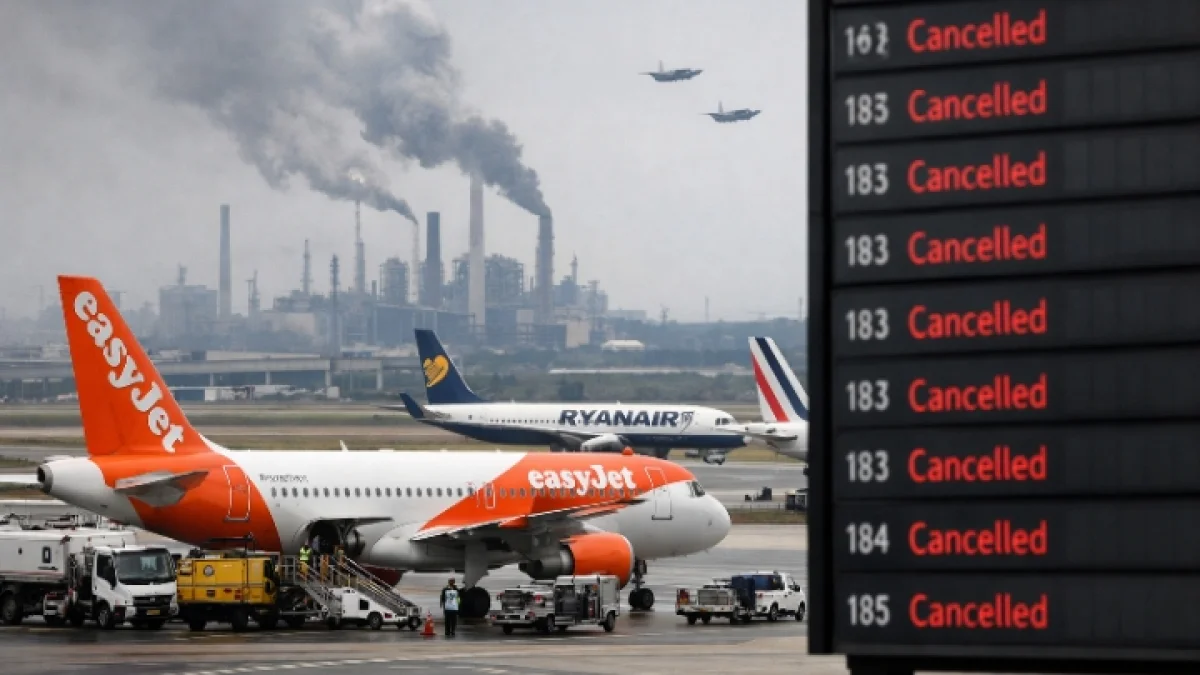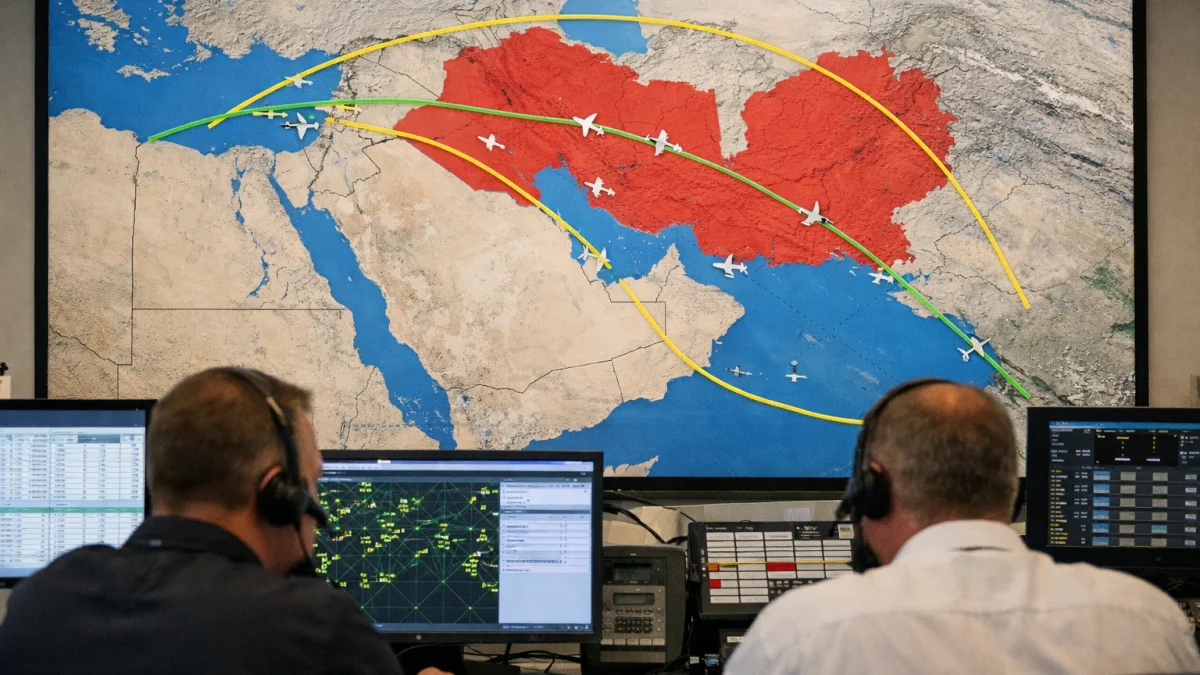
LONDON — Airlines continued to adjust international flight schedules and reroute aircraft on July 12 as airspace restrictions across parts of the Middle East disrupted operations, forcing longer flight paths, higher operating costs and continued uncertainty for passengers and carriers.
The latest changes followed safety advisories issued by aviation authorities and airlines in response to ongoing security risks affecting airspace over Iran, Iraq and Lebanon. Earlier this week, the European Union Aviation Safety Agency (EASA) advised operators to avoid the three countries' airspace until Aug. 31, citing the fragile regional security situation and the risk of renewed military activity.
Airlines serving routes between Europe and Asia have been among the most affected, with many continuing to divert flights around restricted airspace. Those detours have increased flight times, fuel consumption and crew costs while complicating aircraft scheduling, according to industry officials. The International Air Transport Association has said that restrictions across parts of the Middle East can lengthen effective flight distances by roughly 5% to 20%, depending on the route, increasing airline operating costs.
Several international carriers have extended suspensions or adjusted services to destinations including Tel Aviv, Beirut, Dubai and other cities across the region, while some Gulf-based airlines have gradually restored selected routes where authorities consider operations safe. Airlines have stressed that schedules remain subject to change as they continue to monitor security developments and guidance from aviation regulators.
Aviation authorities and airlines have said rerouting decisions are being made to protect passengers and crew. Airlines have also urged travelers to check flight status before departing for airports, warning that delays, cancellations and schedule revisions remain possible as conditions evolve.
Industry analysts said the disruption has affected both passenger and cargo operations, particularly on Europe-Asia services that traditionally transit Middle Eastern airspace. Longer routings have also reduced aircraft utilization and increased fuel requirements, adding pressure to airline costs during the busy summer travel season.
Despite gradual resumptions on some routes, aviation authorities continue to emphasize that operational decisions should be based on ongoing risk assessments. EASA said airlines should closely monitor the security situation and review flight plans accordingly while the advisory remains in effect through the end of August, unless updated earlier.