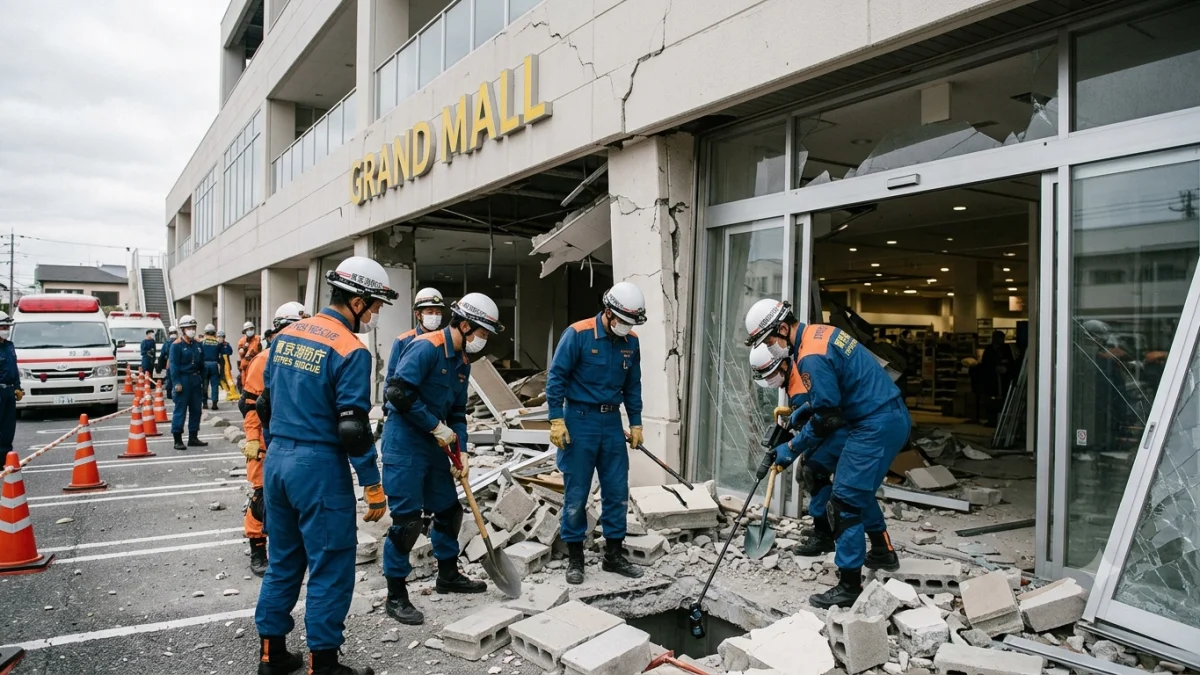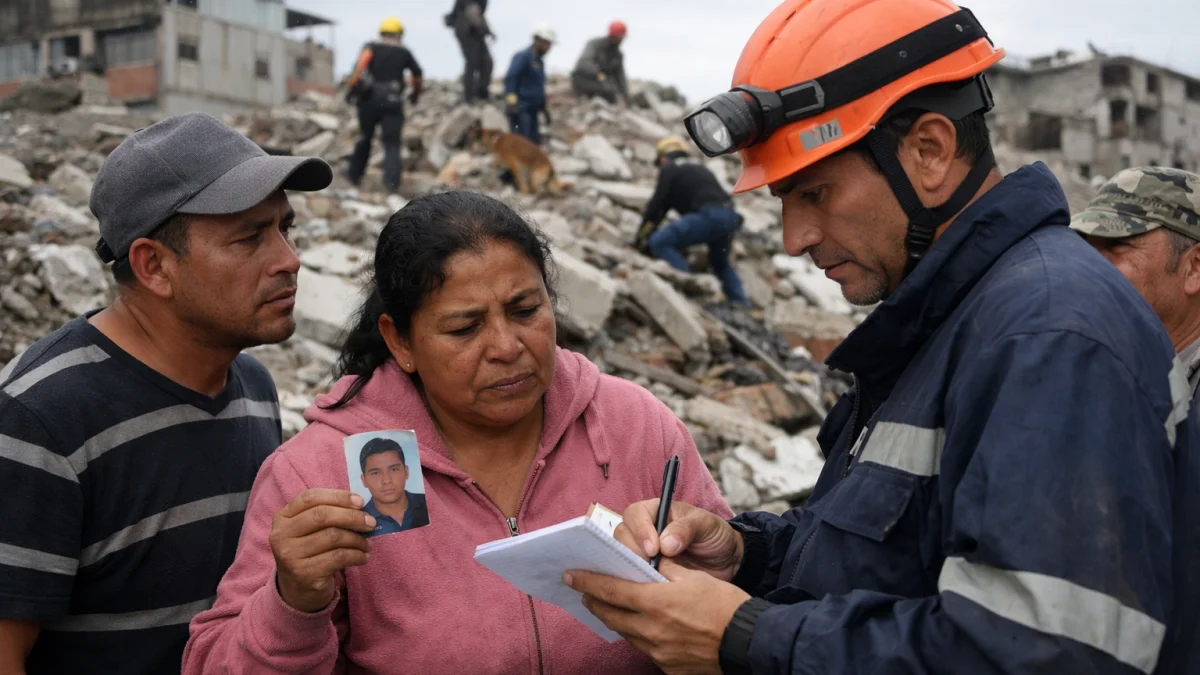
LA GUAIRA, Venezuela — Franklin Fuentes stood amid the jagged concrete of what had once been an apartment building, sifting through debris with his hands two days after the earthquakes. He was looking for relatives who had lived there.
The twin quakes that struck northern Venezuela on the evening of June 24, 2026 — a magnitude 7.2 foreshock followed 39 seconds later by a magnitude 7.5 mainshock — reduced sections of La Guaira and other coastal communities to rubble. By late June, the confirmed death toll had climbed to at least 1,430, with more than 3,200 injured and over 50,000 people reported missing, according to officials and independent trackers.
The earthquakes, centered near San Felipe in Yaracuy state, were the strongest to hit Venezuela since 1900. They struck along the San Sebastián fault system, part of the complex boundary between the Caribbean and South American tectonic plates. Many residents were at home that evening, a national holiday marking the Battle of Carabobo.
In the days and weeks that followed, the search for the missing became a story of individual determination amid strained official response. Families, both in Venezuela and in the large Venezuelan diaspora, turned to social media, homemade flyers, and ad hoc websites to locate loved ones. Some civilians joined or led efforts to dig through collapsed buildings when heavy machinery and professional rescuers were slow to arrive.
Jennifer Palacios, 25, said her 6-year-old son and five other relatives remained buried in the rubble of an eight-tower housing complex in La Guaira associated with the late President Hugo Chávez. “We need them to bring cranes,” she told reporters as she waited near the site.
Okarina Castaño, who works at a bank in Miami, received a call from her brother Carlos Castaño in the early hours after the quakes. He had been trapped in rubble overnight in the Los Corales area east of the Caracas airport. “I’m alive, we’re alive. We just got out of the rubble, we made it,” she recalled him saying. But he did not know the fate of his mother-in-law, and his wife Eliana Palacios, 40, and their 12-year-old daughter Danna had emerged injured but separated from him.
Such fragments of information spread through family networks and online platforms. A website called “Venezuela Te Busca” was established to help connect reports of missing people. One independent registry documented more than 51,000 unaccounted for, while another listed around 24,000, highlighting the challenges in compiling reliable figures amid disrupted communications.
Venezuelans abroad posted photographs of grandparents, children, and siblings, pleading for any news. In South Florida, family members created flyers and coordinated aid while anxiously awaiting updates.
The human toll reflected Venezuela’s longstanding vulnerabilities. Many buildings that collapsed were older structures or high-rises not fully retrofitted to modern seismic standards. In Caracas, dozens of buildings were damaged or destroyed, including residential towers in areas like Los Palos Grandes and Altamira.
Rescue efforts faced logistical hurdles. Aftershocks continued, complicating work at unstable sites. Civilians in places like La Guaira used shovels, ropes, and bare hands. International teams began arriving, but frustration mounted over the pace of the official response. The government declared a state of emergency and reported ongoing operations, but many families said they had seen limited state presence in the hardest-hit neighborhoods.
Nazareth Jimenez and others described families forming informal search committees to look for loved ones themselves.
The earthquakes exacerbated existing strains on Venezuela’s infrastructure and public services. Hospitals were overwhelmed. Power and communications were disrupted in affected areas. The United Nations estimated damage between $4.7 billion and $8.7 billion, equivalent to a significant portion of the country’s GDP.
For many, the wait stretched into uncertainty. Lawyer Ricardo Trias, 73, sought a death certificate for his godson Armando Lopez, 54, whose body had been recovered from rubble in Caraballeda but remained at the site.
As the critical 72-hour window for finding survivors passed, hope shifted toward recovery and accounting for the dead and missing. Yet families continued their vigil. Some received confirmation of survival or injury; others clung to the possibility that loved ones had been taken to hospitals without documentation or were sheltering with strangers.
In La Guaira, where collapsed apartment blocks dotted the landscape, the sound of digging and calls for information persisted. The earthquakes had torn through daily life in a country already navigating complex challenges, leaving thousands in limbo and communities piecing together both physical ruins and personal losses.
Weeks on, the searches continued, driven by the quiet resolve of those refusing to stop looking.