U.S. military strikes near the Strait of Hormuz have significantly increased the risk that the latest confrontation with Iran could evolve into a broader regional conflict, even as both governments continue to signal that they remain open to diplomacy. The latest attacks, confirmed by U.S. Central Command and reported by multiple international news organizations, targeted military infrastructure along Iran's southern coast after Washington accused Tehran of threatening commercial shipping in one of the world's most strategically important maritime corridors.
The latest escalation matters because it shifts the conflict beyond isolated exchanges into a sustained campaign focused on maritime security, regional deterrence and economic pressure. The Strait of Hormuz carries roughly one-fifth of globally traded oil and substantial volumes of liquefied natural gas. Any prolonged disruption therefore extends well beyond the immediate military balance, affecting energy markets, international shipping, insurance costs and the broader global economy.
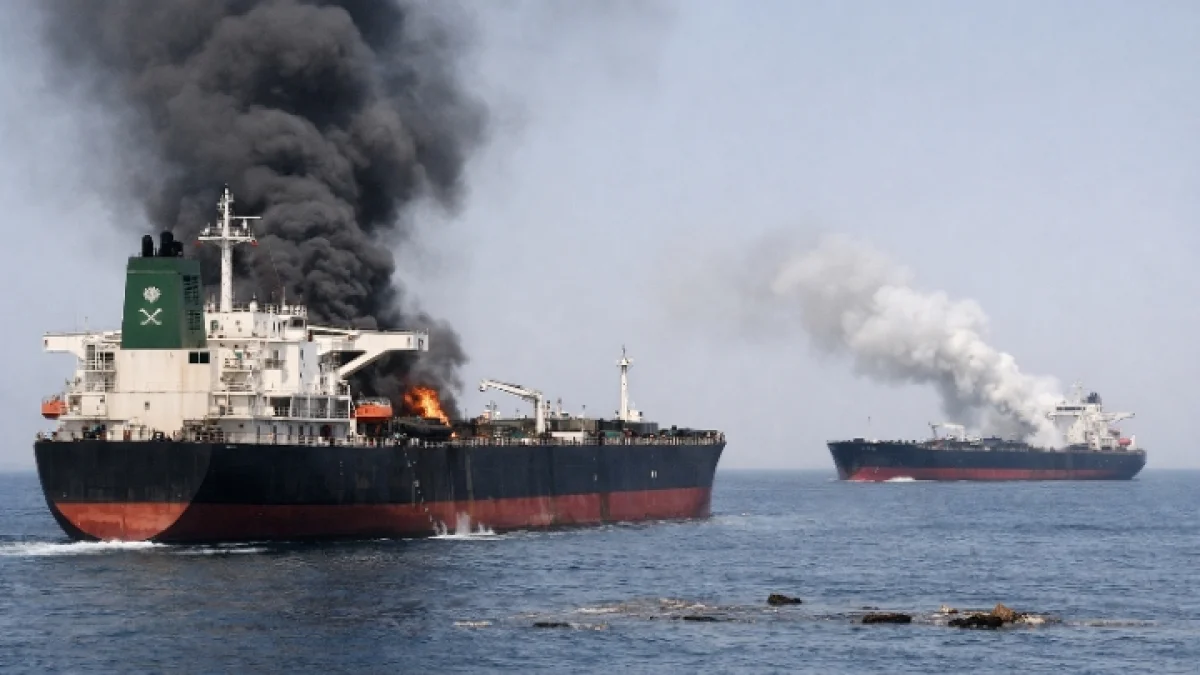
According to U.S. Central Command, recent operations targeted Iranian air defense systems, coastal radar installations, anti-ship missile capabilities, command-and-control networks and naval assets that Washington says were involved in attacks against commercial vessels. U.S. officials have characterized the operations as necessary to protect freedom of navigation after several reported attacks on merchant shipping transiting the waterway.
Iran has rejected the U.S. justification, describing the strikes as acts of aggression and warning that foreign military operations near the Strait of Hormuz cross what Tehran considers a strategic "red line." Iranian authorities have also launched missile and drone attacks against U.S.-aligned military facilities in the region while maintaining that they will continue to defend their security interests.
The confrontation reflects a broader deterioration in relations following the collapse of a previously fragile ceasefire. Instead of isolated retaliatory actions, both countries are now engaged in repeated military exchanges extending over several days, increasing the likelihood that miscalculation or unintended escalation could draw additional regional actors into the crisis. The involvement of U.S. military facilities across the Gulf and Iran's willingness to target partners hosting American forces have expanded the geographic scope of the confrontation beyond the immediate maritime theater.
The Strait of Hormuz has long occupied a central place in U.S.-Iran tensions because of its strategic importance. Iran borders the northern side of the narrow waterway and has historically argued that it possesses significant leverage over shipping passing through it. The United States and its allies, however, maintain that international law protects freedom of navigation through the strait and have repeatedly deployed naval forces to safeguard commercial traffic.
Although previous crises have produced threats to close the Strait of Hormuz, sustained disruption has generally proved difficult because of the substantial military, diplomatic and economic consequences such a move would entail. Nevertheless, even temporary interruptions or heightened security risks can sharply increase shipping insurance premiums, alter tanker routes and contribute to higher global energy prices.
Recent market reactions illustrate those vulnerabilities. Oil prices have risen as traders priced in increased geopolitical risk while governments and shipping companies reassessed maritime security. Several countries have also issued guidance or warnings to commercial operators navigating Gulf waters, reflecting concerns that attacks could expand despite ongoing efforts to protect shipping lanes.
The military dimension is accompanied by an increasingly complex diplomatic landscape. While Washington has emphasized its objective of protecting international commerce and deterring further attacks, U.S. officials have also continued to indicate that diplomatic engagement remains possible. Iranian officials have likewise stated that negotiations remain conceivable under appropriate conditions even as they condemn the ongoing military campaign. Those parallel messages underscore that both governments appear to be attempting to preserve diplomatic options while simultaneously seeking military leverage.
For regional governments, the conflict presents a difficult balancing act. Gulf states hosting U.S. military installations face heightened security risks while also seeking to avoid becoming direct participants in a wider war. Meanwhile, international energy importers—including many Asian economies that rely heavily on Gulf oil and liquefied natural gas—have a strong interest in maintaining uninterrupted maritime trade through the Strait of Hormuz.
Military analysts note that sustained strikes against coastal missile systems, radar installations and naval capabilities may reduce Iran's immediate ability to threaten shipping, but they also warn that asymmetric responses—including drones, missiles, proxy groups or attacks against commercial infrastructure—remain available to Tehran. Such assessments highlight the uncertainty surrounding the conflict's trajectory rather than predicting any particular outcome.
At present, the confirmed situation is that U.S. forces continue conducting strikes against Iranian military targets associated with maritime operations, while Iran continues retaliatory military actions and maintains that it will resist foreign pressure. Shipping risks, regional military deployments and diplomatic contacts remain under close international scrutiny. Whether current hostilities stabilize or intensify will depend on verified military developments, official diplomatic engagement and the ability of both sides to prevent further escalation beyond the existing theater of operations.