WASHINGTON — U.S. military forces redirected Iranian commercial vessels and other ships bound for Iranian ports as they enforced a renewed maritime blockade in and around the Strait of Hormuz, while commercial shipping across one of the world's busiest energy corridors remained sharply reduced amid escalating conflict between Washington and Tehran.
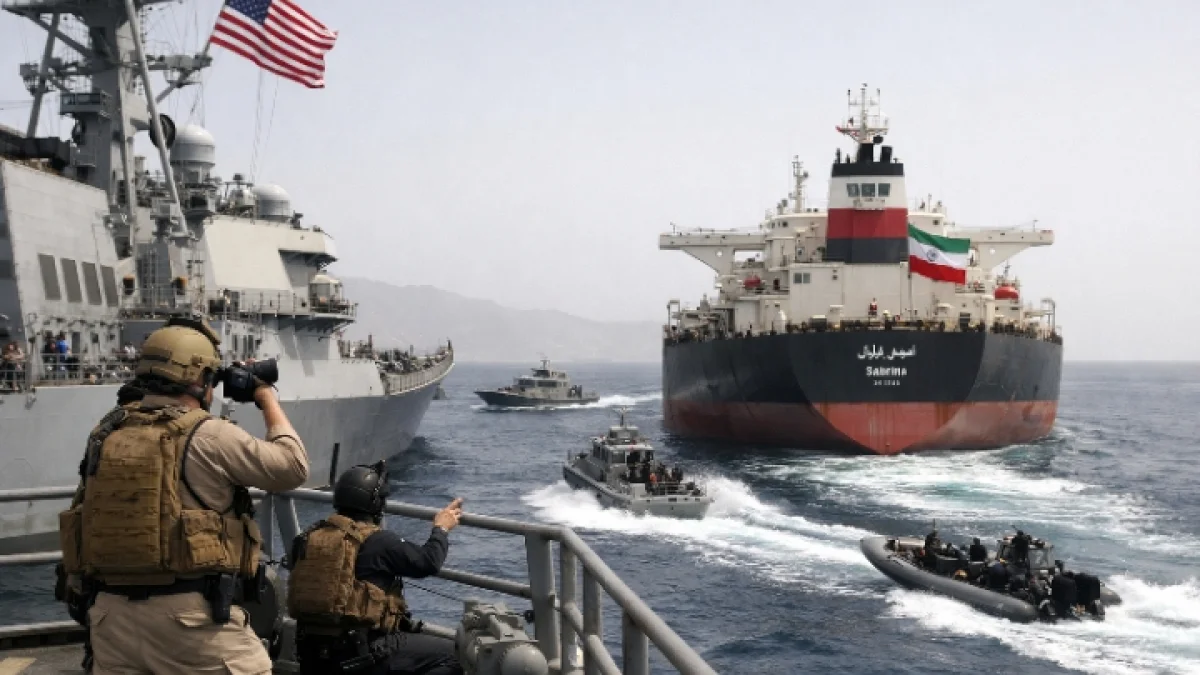
U.S. Central Command (CENTCOM) said its forces had continued intercepting and redirecting vessels attempting to enter or leave Iranian ports under a blockade reinstated after the collapse of a ceasefire last month. The command has said the operation targets maritime traffic linked to Iranian ports while allowing humanitarian shipments and commercial traffic not violating the blockade to proceed.
The latest enforcement actions came as vessel movements through the Strait of Hormuz fell well below typical levels, according to shipping data cited by maritime analysts. Kpler data showed only a handful of commodity vessels transited the waterway early this week, with no very large crude carriers or liquefied natural gas tankers recorded during the period, highlighting the impact of heightened security risks.
The United States has said the blockade is intended to pressure Iran following renewed hostilities and attacks on commercial shipping. CENTCOM previously reported redirecting more than 140 vessels during an earlier phase of the operation before enforcement resumed in mid-July. It has instructed mariners operating near the Gulf of Oman and Strait of Hormuz to maintain contact with coalition naval forces and monitor official maritime advisories.
Iran has rejected U.S. military actions in the region and has maintained that it retains authority over security in waters near its coastline. Tehran has also accused Washington of escalating tensions through military operations and economic pressure, while U.S. officials have blamed Iran for attacks on commercial vessels and regional instability. Those competing claims could not be independently verified.
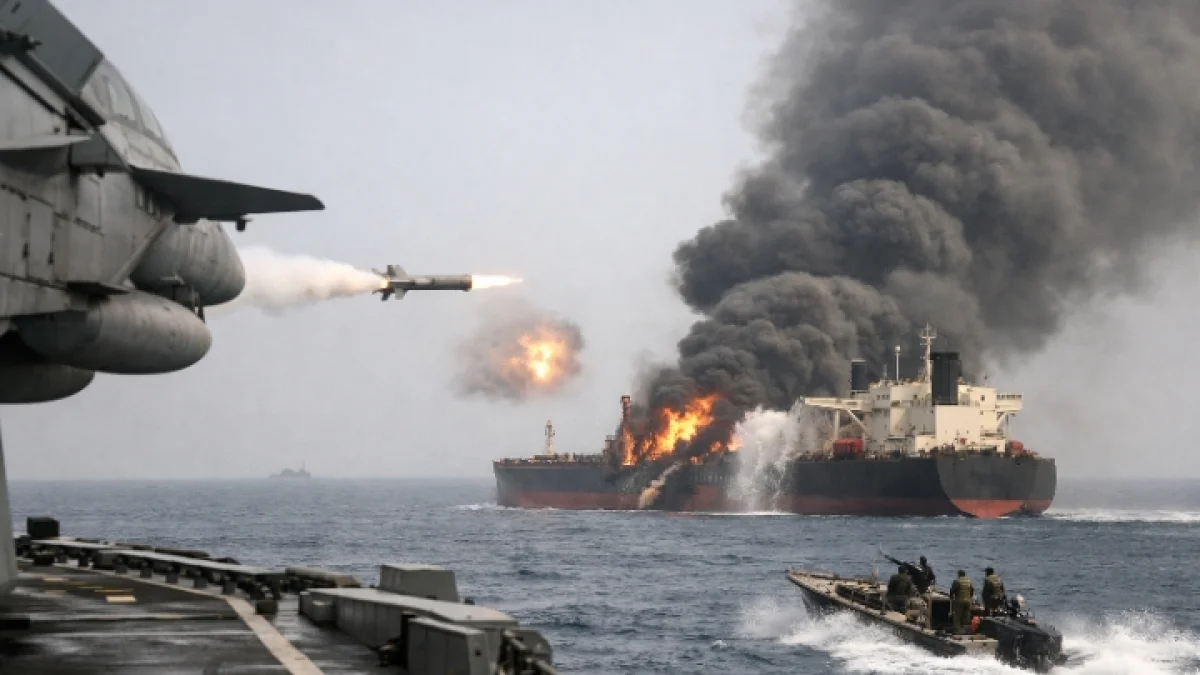
Maritime security warnings have intensified in recent days after reported attacks involving commercial ships near the Strait of Hormuz and in surrounding waters. The U.S. Maritime Administration has advised U.S.-flagged vessels that the risk of missile, drone and electronic interference remains high and urged operators to exercise heightened caution while transiting the region.
The latest confirmed status from U.S. officials is that the blockade remains in effect, with naval forces continuing to redirect vessels determined to be bound for Iranian ports while commercial traffic through the strategic waterway remains significantly below normal levels.