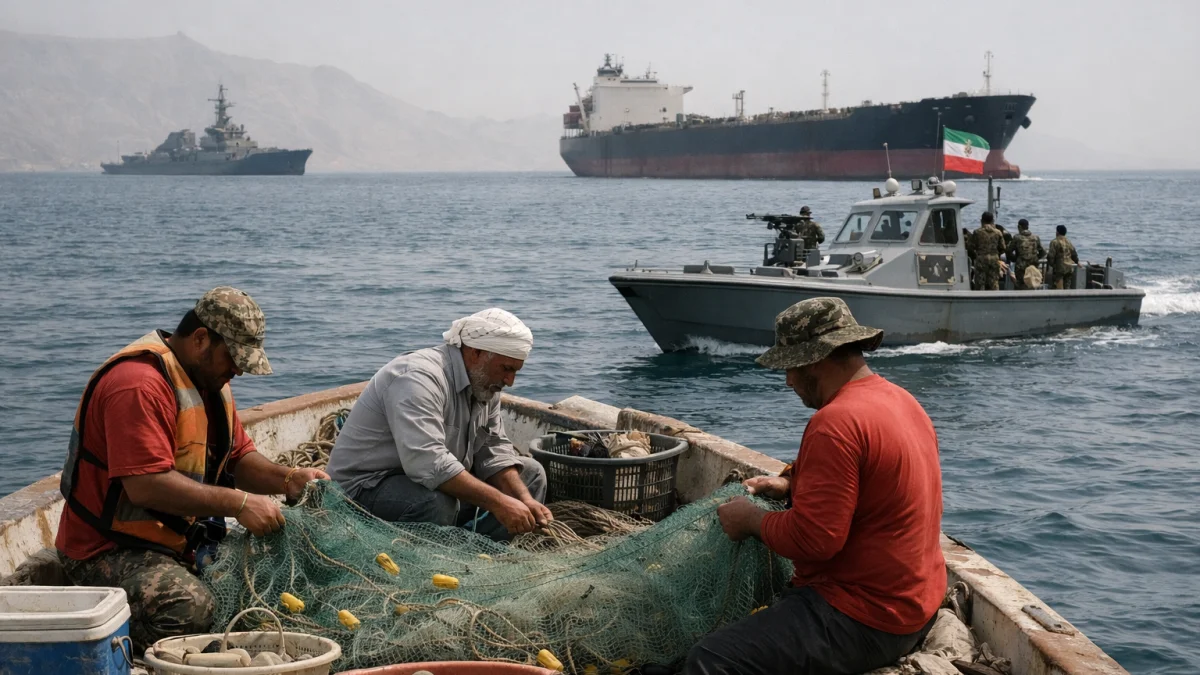
Before dawn, small fishing boats still leave harbors along the coasts bordering the Strait of Hormuz, but many now do so under a different routine. Crews monitor security updates as closely as weather forecasts, keep radio contact with other boats, and weigh each trip against reports of military activity and commercial shipping disruptions in one of the world's busiest waterways. For communities that have relied on these waters for generations, recent geopolitical tensions have become part of the daily calculation of whether it is safe—and worthwhile—to head out to sea.
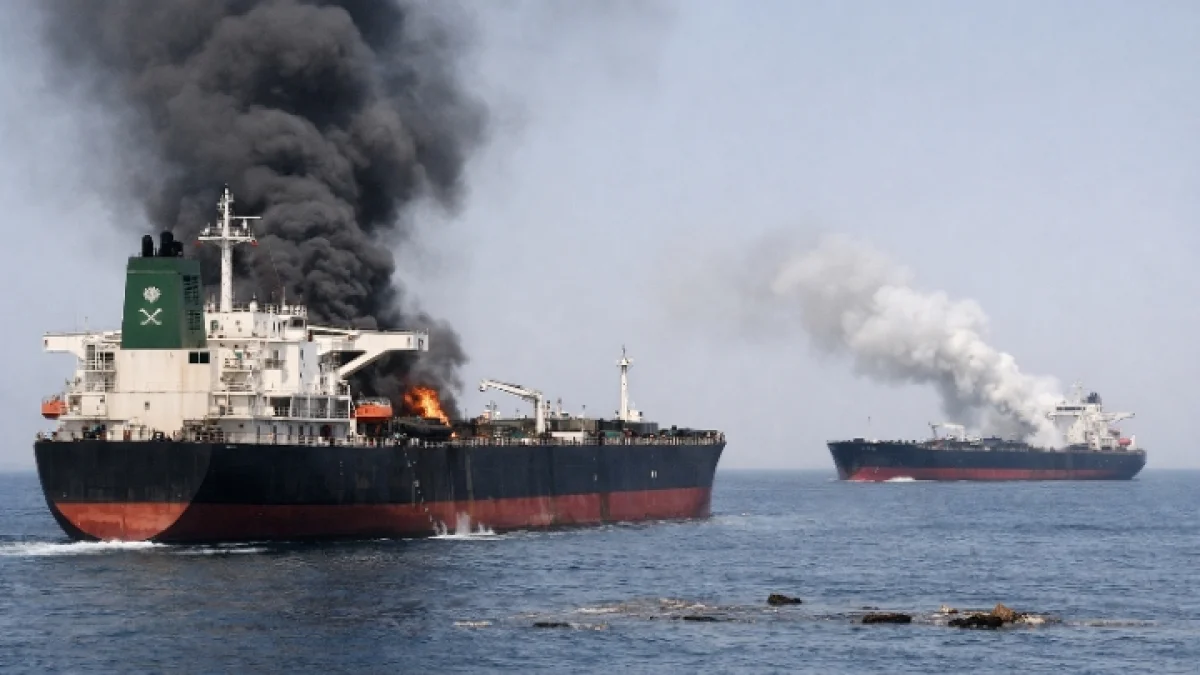
The changes reflect a broader reality across the Gulf following renewed confrontation involving the United States and Iran. Attacks on commercial vessels, heightened maritime security warnings and periods of sharply reduced tanker traffic have drawn global attention because roughly a quarter of the world's seaborne oil trade normally passes through the Strait of Hormuz. Yet beyond the implications for energy markets, the instability has also reshaped the routines of thousands of fishermen whose livelihoods depend on the same narrow stretch of water.
Shipping data analyzed by Kpler and reported by Reuters showed tanker movements through the strait falling to their lowest levels in months after renewed military exchanges. Industry sources also reported that some vessels switched off public tracking systems because of security concerns, while insurers and shipping companies reassessed the risks of operating in the area.
For small-scale fishing communities, those developments have practical consequences. Fishing grounds can overlap with commercial shipping lanes or areas subject to naval patrols, requiring fishermen to alter routes, avoid certain waters or shorten trips. Local economies built around daily catches—from fish markets to transport operators and processors—feel the effects when fewer boats sail or catches arrive later than usual.
Regional authorities have repeatedly urged mariners to remain alert as military activity has increased. Maritime security advisories issued after attacks on tankers raised the threat level for vessels transiting the waterway, underscoring that even boats far smaller than commercial tankers operate within a more uncertain environment.
The Strait of Hormuz has long been both an economic lifeline and a strategic flashpoint. Connecting the Persian Gulf with the Gulf of Oman and the Arabian Sea, it serves oil exporters, container shipping and coastal fishing fleets simultaneously. For fishing families, however, the waterway is less a geopolitical symbol than a workplace whose conditions can change within hours.
Analysts say that uncertainty itself has become one of the greatest challenges. Even when fishing remains legally permitted and ports stay open, changing security assessments, shifting patrol patterns and concerns over navigation can reduce time spent at sea or increase operating costs. Additional fuel consumption from longer routes and the possibility of interrupted market access can narrow already modest profit margins.
The recent escalation followed a fragile period of reduced tensions after an earlier agreement that had allowed maritime traffic to resume. Subsequent attacks on commercial shipping revived concerns about the security of the corridor and prompted another decline in vessel movements, demonstrating how quickly confidence can erode in a region where stability is closely tied to uninterrupted navigation.
Global attention has largely focused on oil prices, insurance premiums and international trade. Benchmark crude prices rose after attacks on tankers renewed fears of supply disruptions, while refiners and shipping companies examined alternative routes and supply sources.
For coastal residents, however, the consequences are measured differently. Fishing schedules increasingly revolve around security bulletins. Decisions once based primarily on tides, seasonal fish movements and weather forecasts now also depend on reports of military activity or changes in maritime advisories. Community members who support fishing fleets onshore—from auction workers to equipment suppliers—must adapt to less predictable arrivals and fluctuating volumes.
Experts note that prolonged instability could have lasting effects even if major hostilities subside. Shipping companies often take time to restore normal operations after security incidents, and fishing communities may continue exercising caution until confidence returns. Similar patterns have followed previous episodes of tension in the Gulf, where perceptions of risk can linger beyond the immediate crisis.
Meanwhile, governments across the region continue balancing maritime security with the need to maintain commercial and civilian activity. Naval patrols are intended to safeguard shipping, but the increased military presence also reflects the strategic importance of waters shared by energy exporters, cargo vessels and local fishing fleets alike.
As international diplomacy continues and military developments remain fluid, fishing communities face an uncertain season. Their experience illustrates how geopolitical crises extend beyond government statements and energy markets into the rhythms of ordinary working lives.
Each morning, boats continue to leave harbor where conditions permit. Their departures are a reminder that, despite headlines centered on tankers and oil prices, the Strait of Hormuz also remains a workplace for coastal families whose livelihoods depend on navigating waters shaped as much by international tensions as by the tides themselves.