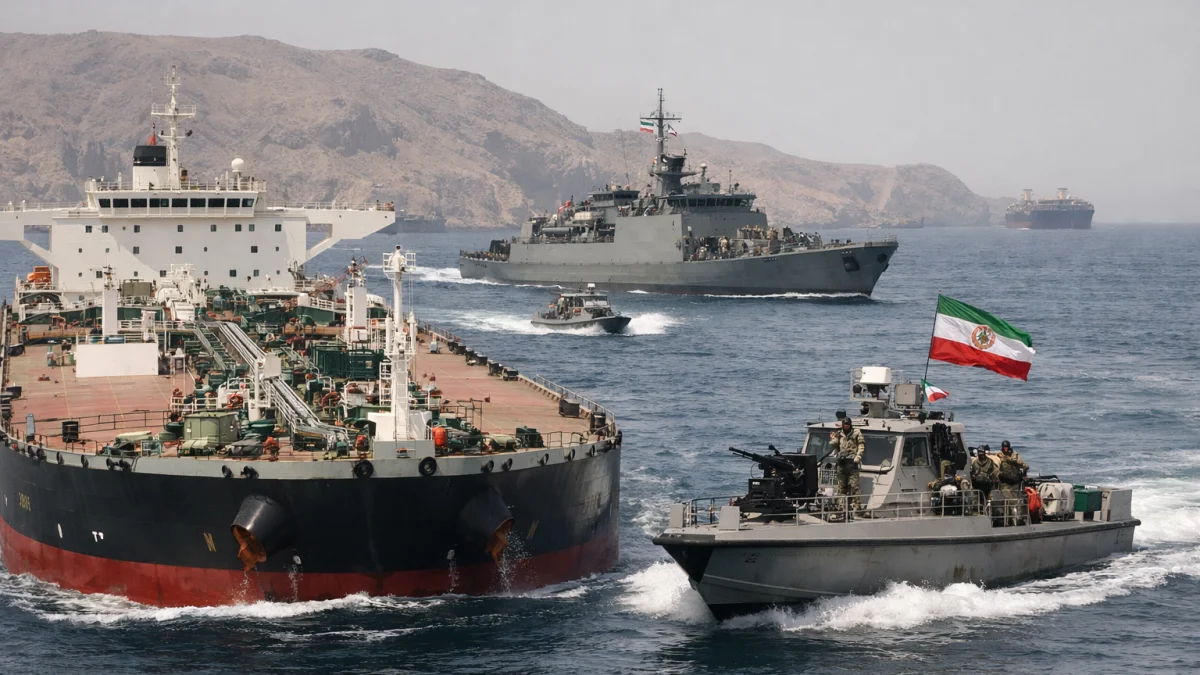
The Strait of Hormuz crisis has entered a new phase as Middle Eastern oil and liquefied natural gas producers continue restoring exports while shipping activity remains below normal after weeks of disruption, attacks on vessels and heightened U.S.-Iran tensions. Shipping data reviewed by Reuters showed Gulf producers continued loading crude and LNG cargoes despite renewed security concerns, while an interim pause in hostilities created conditions for talks over reopening and stabilizing the critical maritime corridor.
The significance of the crisis extends beyond short-term oil price movements. The disruption has exposed the vulnerability of global energy systems and trade networks to a single maritime chokepoint. The Strait of Hormuz is one of the world’s most important energy routes, connecting major Gulf producers with Asian and European consumers. The International Energy Agency has described the disruption as one of the most severe shocks to global oil flows in modern market history, with crude and oil product movements through the strait falling sharply during the crisis. The episode has forced governments, energy companies and shipping firms to reassess assumptions about supply security, insurance risk and the resilience of international logistics.
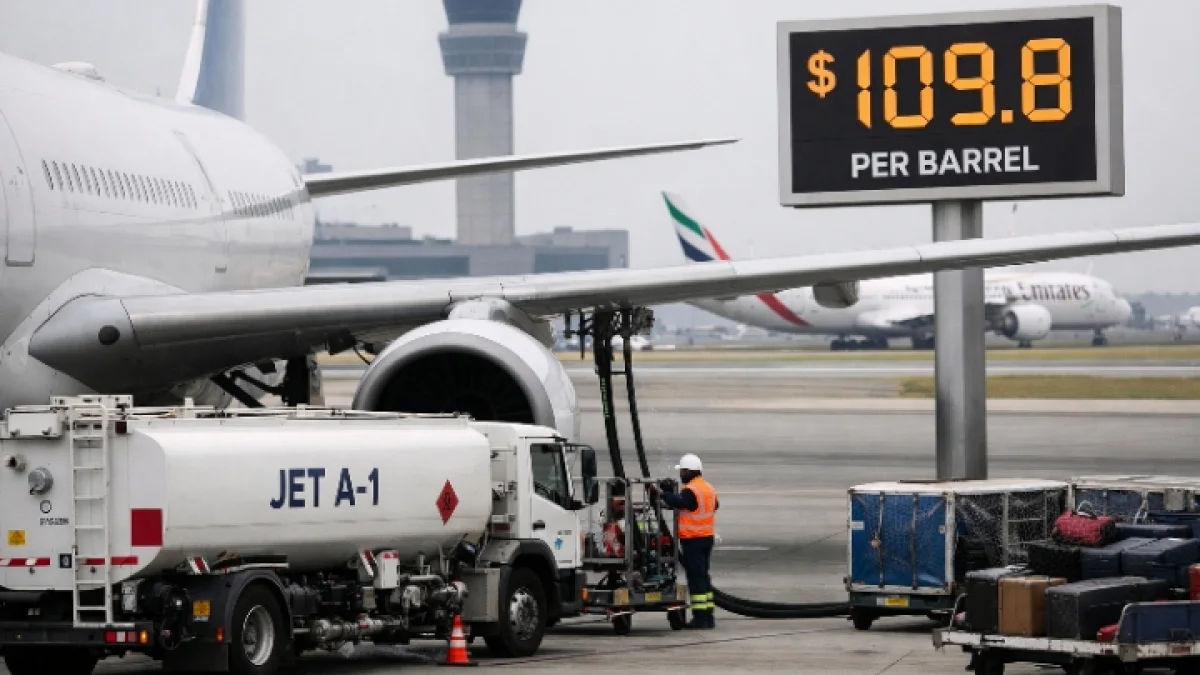
The immediate market impact has been shaped by both supply disruption and expectations of recovery. Earlier in the crisis, reduced tanker movements and production cuts across major Gulf producers tightened global oil availability. The U.S. Energy Information Administration reported that Middle Eastern producers had reduced output significantly during the disruption and that inventories were under pressure, while also noting that weaker global oil demand could limit the scale of price increases. As diplomatic efforts reduced fears of a prolonged closure, oil markets began pricing in a gradual return of supply, although traders continued to factor in elevated geopolitical risk.
The shipping industry has faced a separate challenge from the energy market. Even as some vessels resumed movement, many operators remained cautious because commercial confidence depends not only on official agreements but also on security assessments from shipowners, insurers and maritime authorities. Reuters reported that vessel activity through the strait remained below previous levels, with some tankers using safety measures such as reduced visibility through tracking systems. The slowdown has affected not only crude oil but also LNG and broader cargo movements, increasing costs and complicating delivery schedules.
The crisis has also highlighted the limits of alternative routes. Some Gulf producers have access to pipelines and export terminals outside the strait, but those systems cannot fully replace the capacity of Hormuz. The IEA noted that limited bypass capacity increased the impact of the disruption because large volumes of energy exports depend on the waterway. This has reinforced long-standing concerns among energy importers about concentration risk in global supply chains.
For businesses, the consequences extend beyond fuel prices. Higher shipping risk can affect insurance premiums, freight costs and inventory planning. Companies that rely on just-in-time supply chains may need to hold larger inventories or diversify suppliers, increasing operating costs. Academic research on maritime disruptions has found that rerouting can reduce some immediate losses but often creates delayed impacts through longer travel times and disrupted vessel schedules.
Energy policy implications are also emerging. The crisis may accelerate efforts by governments to strengthen strategic reserves, expand alternative transport infrastructure and reduce dependence on concentrated energy corridors. However, the scale and timing of any structural changes remain uncertain because global energy demand continues to rely heavily on oil and gas, particularly in transport and industrial sectors.
Market participants are also monitoring whether the reopening process becomes durable. The difference between a temporary reduction in tensions and a lasting restoration of confidence will depend on shipping security, diplomatic developments, insurance availability and the ability of producers to return output and logistics networks to normal conditions. Reuters reported that while exports were continuing, overall shipping activity had not yet fully recovered to pre-crisis levels.
The confirmed situation is that energy flows are gradually recovering but remain exposed to political and security risks around the Strait of Hormuz. Global markets are watching official negotiations, maritime traffic levels, insurance conditions and production recovery data to determine whether the crisis represents a temporary disruption or a longer-term shift in how energy and trade routes are managed.