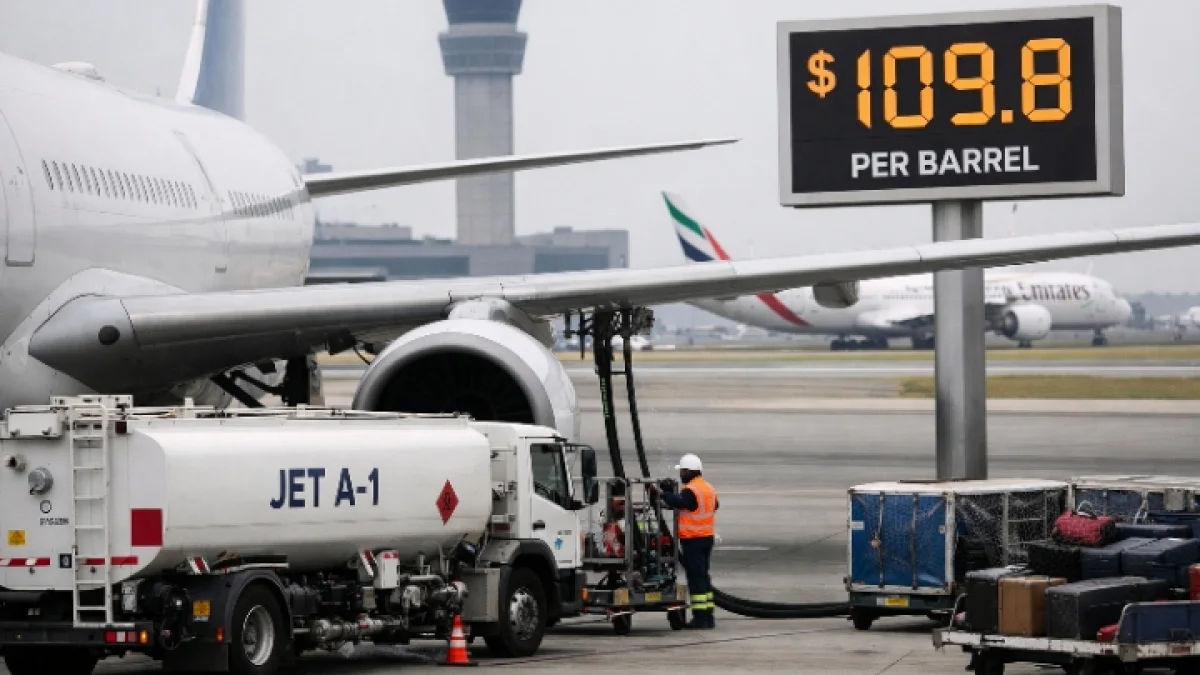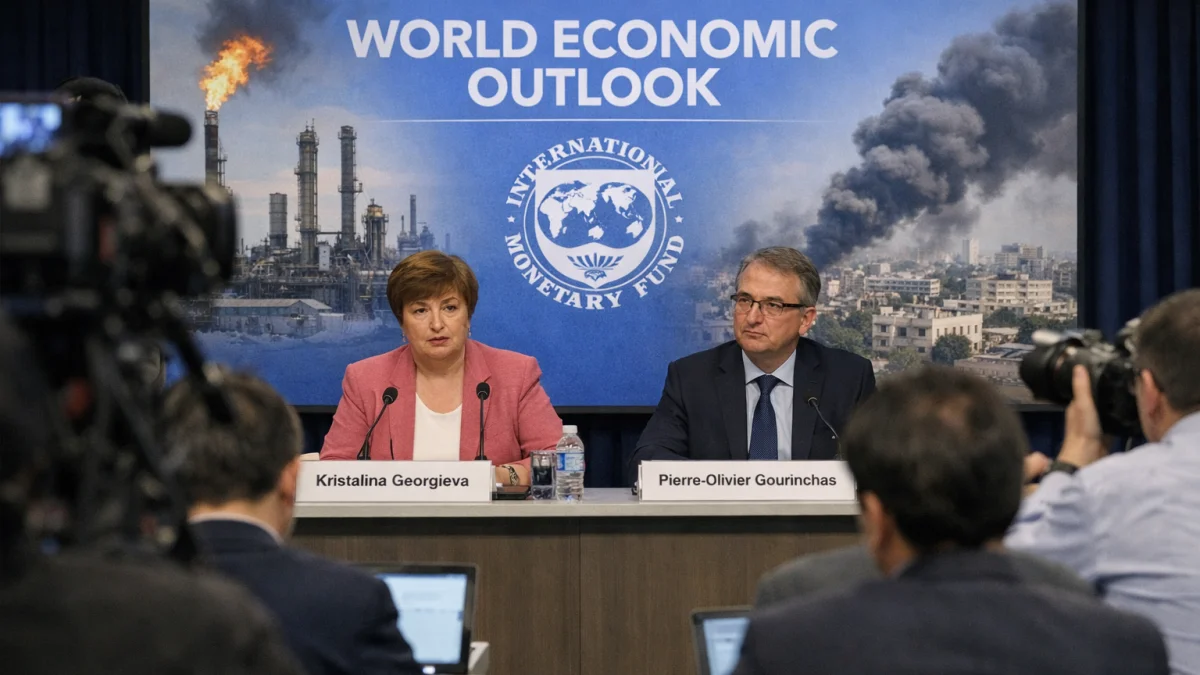
WASHINGTON — The International Monetary Fund said the global economy is expected to slow this year as the effects of instability in the Middle East continue to weigh on activity, with higher energy costs and persistent geopolitical uncertainty offset only in part by stronger investment linked to artificial intelligence.
In its July 2026 World Economic Outlook update, the IMF projected global growth of 3.0% in 2026 and 3.4% in 2027, broadly unchanged from its cumulative outlook published in April but below the average pace recorded over the previous two years. The fund said the weaker 2026 expansion reflected the economic impact of the conflict in the Middle East, while a recovery next year would depend on improving conditions and resilient technology-driven investment.
Petya Koeva Brooks, deputy director of the IMF's Research Department, said the outlook was being shaped by "the lingering effects of the energy shock from the war in the Middle East and a technology-driven investment boom." She said risks remained tilted to the downside because renewed conflict could trigger fresh commodity price volatility, tighter financial conditions and additional pressure on vulnerable economies.
The IMF raised its forecast for global headline inflation to 4.7% in 2026, saying the disinflation trend that had been underway since early 2024 had stalled as higher energy prices filtered through the global economy. Core inflation projections were broadly unchanged.
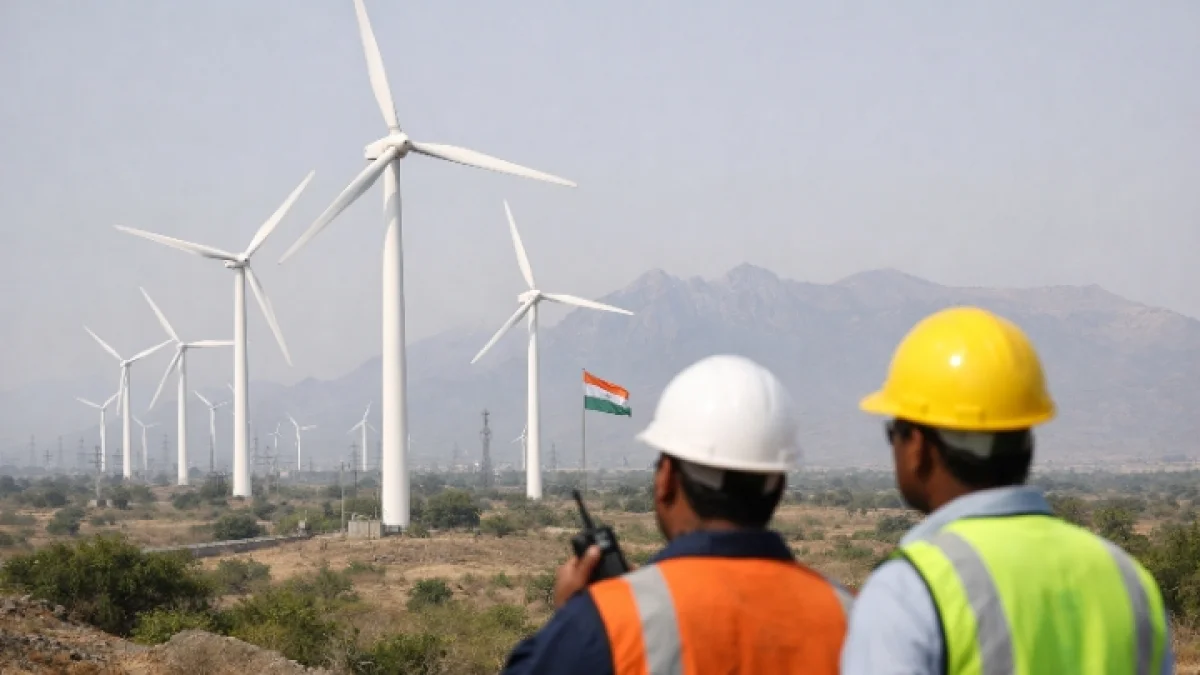
The fund said the impact of the Middle East conflict varied significantly across countries. Economies integrated into the global technology supply chain were expected to benefit from rising AI-related investment, while energy importers with limited exposure to the technology sector, including many low-income countries, faced weaker growth and greater vulnerability to higher fuel costs.
The IMF's baseline forecast assumes shipping through the Strait of Hormuz begins returning toward normal conditions during the second half of the year, although officials cautioned that any renewed disruption could worsen the outlook. They also warned that financial market repricing or a prolonged escalation of hostilities would present additional risks to global growth.
The fund urged central banks to remain focused on price stability while governments gradually withdraw temporary energy-related fiscal support as conditions improve and rebuild fiscal buffers after successive global shocks. It also called for continued structural reforms and investment to strengthen long-term economic resilience.