LOS ANGELES—A coalition of 12 U.S. state attorneys general has sued to block Paramount Skydance's proposed $110 billion acquisition of Warner Bros. Discovery, arguing the deal would substantially reduce competition across key segments of the media and entertainment industry despite the transaction having cleared federal antitrust review.
The lawsuit, led by California Attorney General Rob Bonta and filed in federal court in California, contends the merger would combine two of Hollywood's five major film distributors and two of the largest basic cable programmers, giving the combined company excessive market power in theatrical film distribution and cable television licensing. The states also asked the companies not to complete the transaction while the case proceeds and, after that request was rejected, sought a temporary restraining order and preliminary injunction to halt the deal.
According to the complaint, the merger would leave the combined company controlling nearly one-third of U.S. theatrical motion pictures and basic cable programming. The attorneys general argue that reduced competition could result in higher prices, fewer film releases, diminished content quality, and weaker bargaining positions for movie theaters and cable distributors. They allege the transaction violates federal antitrust law by substantially lessening competition.
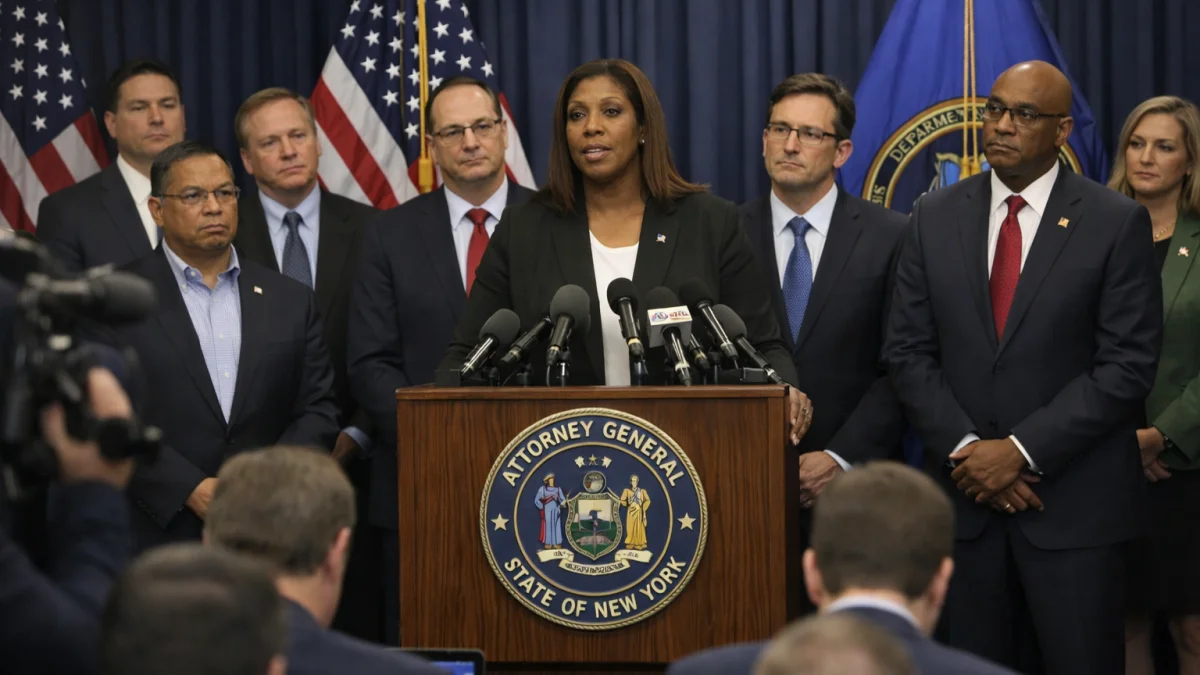
The coalition includes California, New York and 10 other states. New York Attorney General Letitia James said in a statement that the merger would harm consumers, workers and businesses throughout the entertainment sector by consolidating market power in the hands of a single company.
Paramount Skydance has rejected the allegations, saying the lawsuit misapplies antitrust law and ignores competition from large technology and streaming companies. The company said the merger would strengthen its ability to compete, support investment in theatrical releases and creative talent, and benefit consumers. It also warned that delaying completion of the transaction could have financial consequences and harm employees and the broader entertainment industry.
The legal challenge represents the most significant obstacle to the merger since the U.S. Department of Justice declined to seek to block the transaction earlier this year. While federal regulators did not oppose the deal, the states retain independent authority to pursue antitrust enforcement under federal law.
As of July 14, the case remained pending in federal court. The coalition is seeking court orders preventing the companies from closing the transaction until the litigation is resolved, while the merger also continues to await certain international regulatory approvals.