In Durban's commercial districts, storefront shutters remained down long after sunrise as many residents weighed the same question that had spread across South Africa in recent weeks: whether it was safer to open for business or stay out of sight. Police vehicles patrolled streets where anti-immigration marches had been announced, while many foreign nationals chose not to leave their homes. Others had already departed, carrying what they could after weeks of threats and uncertainty.
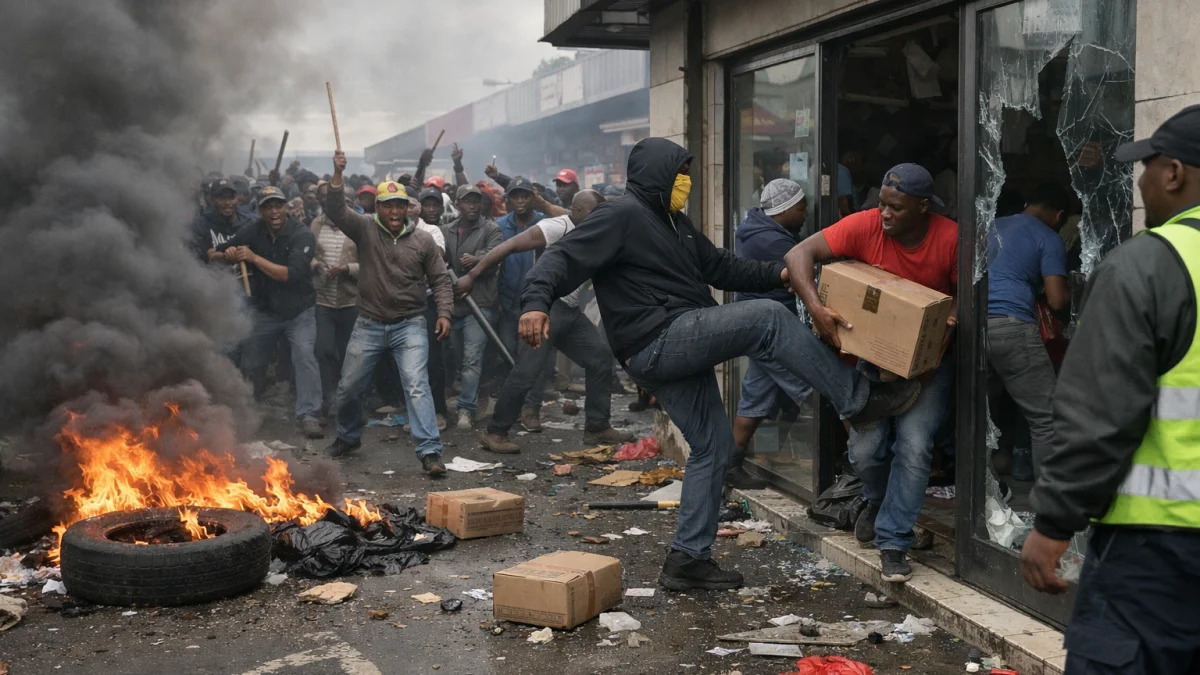
The scenes repeated themselves in Johannesburg, Pretoria and other cities as nationwide demonstrations marked a self-imposed deadline set by an anti-immigration movement demanding that undocumented migrants leave the country. Although authorities said most marches remained peaceful, isolated violence, looting and intimidation reinforced fears that had been building for months.
For thousands of migrants, the uncertainty had begun well before the protests themselves. Families from neighboring African countries had gathered in temporary camps or sought transportation home after repeated warnings that violence could follow the deadline. Some landlords reportedly asked foreign tenants to leave, fearing attacks on their properties. Others simply closed businesses that had taken years to establish.
The unrest has become one of South Africa's most visible social crises of 2026, reflecting tensions over unemployment, public services and immigration while exposing the fragile sense of security felt by communities across the country. The demonstrations have also revived painful memories of previous outbreaks of xenophobic violence that have periodically erupted over nearly two decades.
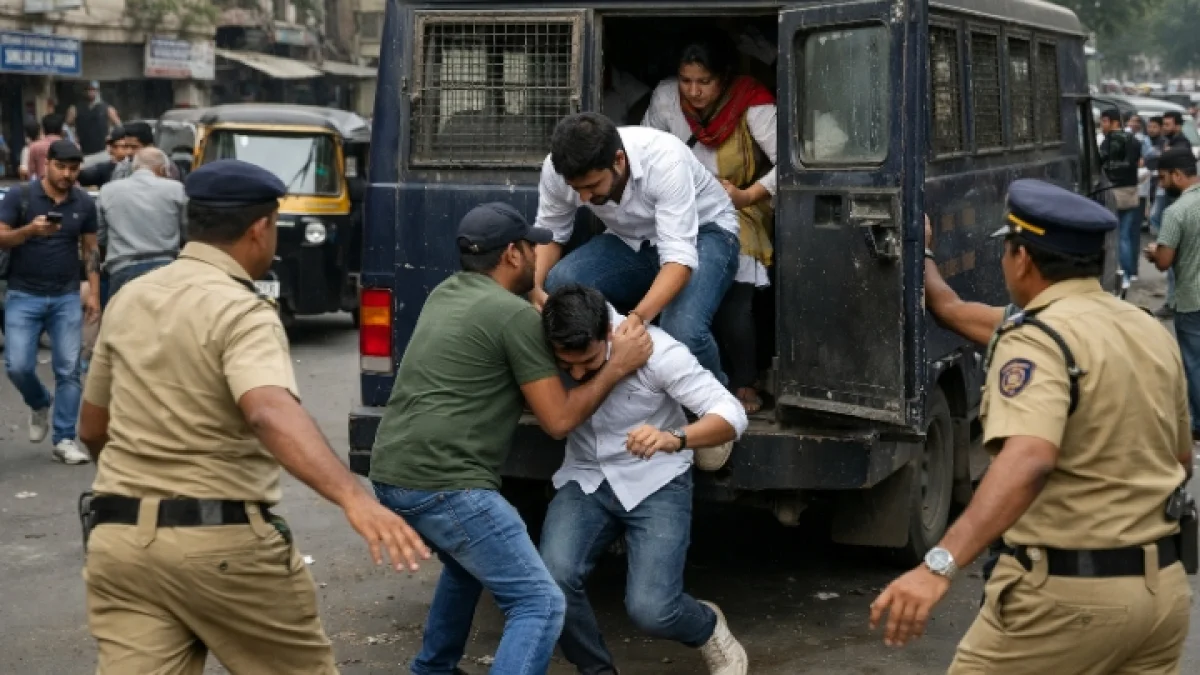
South African police said more than 900 people were arrested following nationwide protests on July 1. Deputy National Police Commissioner Tebello Mosikili said 108 of approximately 120 marches were peaceful, while 12 required police intervention. Arrests included undocumented migrants accused of immigration violations as well as individuals detained for public violence, robbery and harboring undocumented migrants. Authorities also deployed additional police and soldiers to several provinces after isolated outbreaks of looting and shootings.
The official figures only partially capture the disruption experienced by ordinary residents.
In Johannesburg's Alexandra township, police said one person was killed during looting targeting foreign-owned spaza shops. In Durban, authorities opened an investigation after a foreign national died after allegedly jumping from a building on the eve of the demonstrations, reportedly fearing persecution linked to the protests. Those incidents underscored the climate of anxiety that had spread well beyond the organized marches.
Many migrants caught up in the unrest have lived in South Africa for years, operating small neighborhood shops, restaurants and informal businesses that serve local communities. Some hold refugee status or legal documentation, while others remain caught in lengthy immigration processes. Human rights organizations have warned that, in practice, hostility has often extended beyond undocumented migrants to include legally resident foreigners.
Researchers and migration specialists say public frustration is rooted in genuine economic hardship but caution against assigning responsibility to migrants without evidence. South Africa continues to face one of the world's highest unemployment rates, persistent inequality and pressure on housing and public services. While protesters frequently argue that migrants take jobs and contribute to crime, economists and migration experts have said available evidence does not support broad claims that immigration is the primary driver of those challenges.
Official data likewise suggest immigrants account for a relatively small share of South Africa's population. Previous national statistics estimated foreign-born residents at roughly 4% of the population, although immigration remains highly visible in many urban neighborhoods where newcomers often work in retail, construction and informal trade.
President Cyril Ramaphosa has sought to balance tougher enforcement against undocumented immigration with repeated appeals against vigilantism and xenophobic violence. His government has acknowledged concerns over illegal immigration while insisting that law enforcement, rather than community action, must address violations of immigration law. Authorities have also opened numerous criminal investigations into attacks against foreign nationals in recent months.
The unrest has drawn concern beyond South Africa's borders. Several African governments organized assistance for citizens wishing to return home, while regional observers warned that repeated attacks on migrants risk undermining South Africa's longstanding role as both an economic hub and a destination for people fleeing conflict or seeking opportunity elsewhere on the continent.
For many South Africans, the demonstrations have also prompted reflection on the country's post-apartheid identity. South Africa once symbolized continental solidarity during the struggle against apartheid, receiving support from neighboring countries that now account for many of today's migrant communities. Historians and civic leaders note that recurring anti-foreigner violence poses difficult questions about that legacy.
Yet alongside scenes of confrontation, there were also examples of restraint. Police reported that the overwhelming majority of demonstrations concluded without major violence, reflecting extensive security preparations aimed at preventing a repeat of previous outbreaks. Communities, religious organizations and local volunteers also worked to provide temporary shelter and assistance to displaced families in several affected areas.
As police continued patrols after the protests, many businesses cautiously reopened while others remained shuttered. For shopkeepers wondering whether customers would return, for families deciding whether to remain in South Africa or leave, and for neighborhoods trying to rebuild trust, the demonstrations ended without bringing closure.
Instead, they left behind a deeper question that extends beyond a single week of unrest: how a country confronting severe economic pressures can address public frustration without allowing fear and suspicion to define relationships between the communities that share its streets.