NEW DELHI — Climate activist Sonam Wangchuk's indefinite hunger strike entered its third week on Thursday, with the activist saying he would continue his fast until authorities provide assurances that no legal action will be taken against young protesters involved in demonstrations linked to his campaign on Ladakh-related issues and broader public concerns.
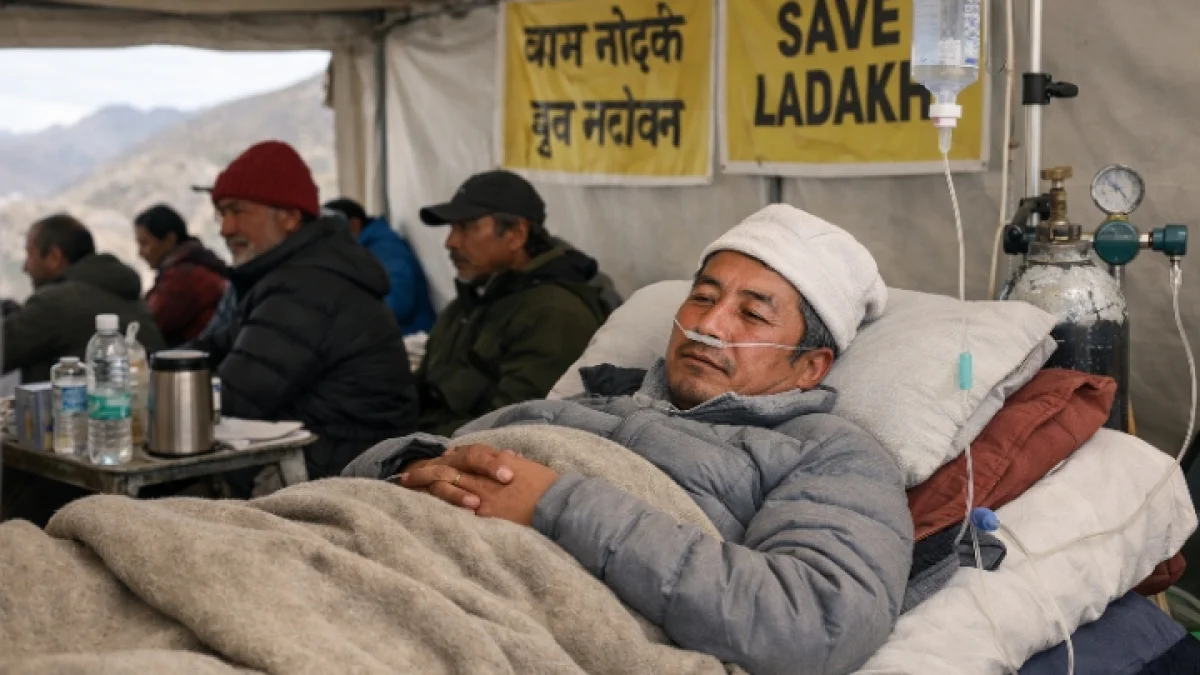
Wangchuk, who has been fasting since late June, is receiving treatment at Medanta Hospital in Gurugram after being moved from a Delhi protest site following concerns over his deteriorating health. Hospital officials have said he remains in stable condition while under intensive medical supervision.
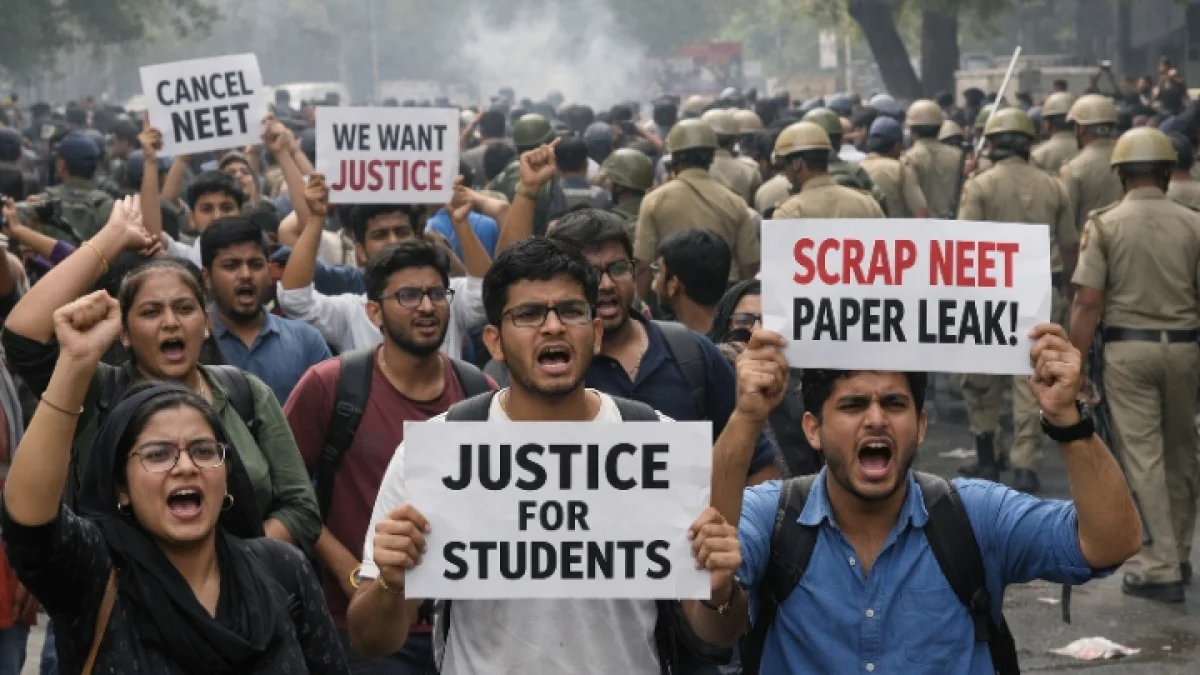
In a letter addressed to Union ministers J.P. Nadda and Jitendra Singh, Wangchuk said he was prepared to end his fast if the government clearly assured that no punitive measures would be taken against young participants in the recent "Sansad Chalo" protest. According to reports citing the letter, he described such an assurance as essential before concluding the protest.
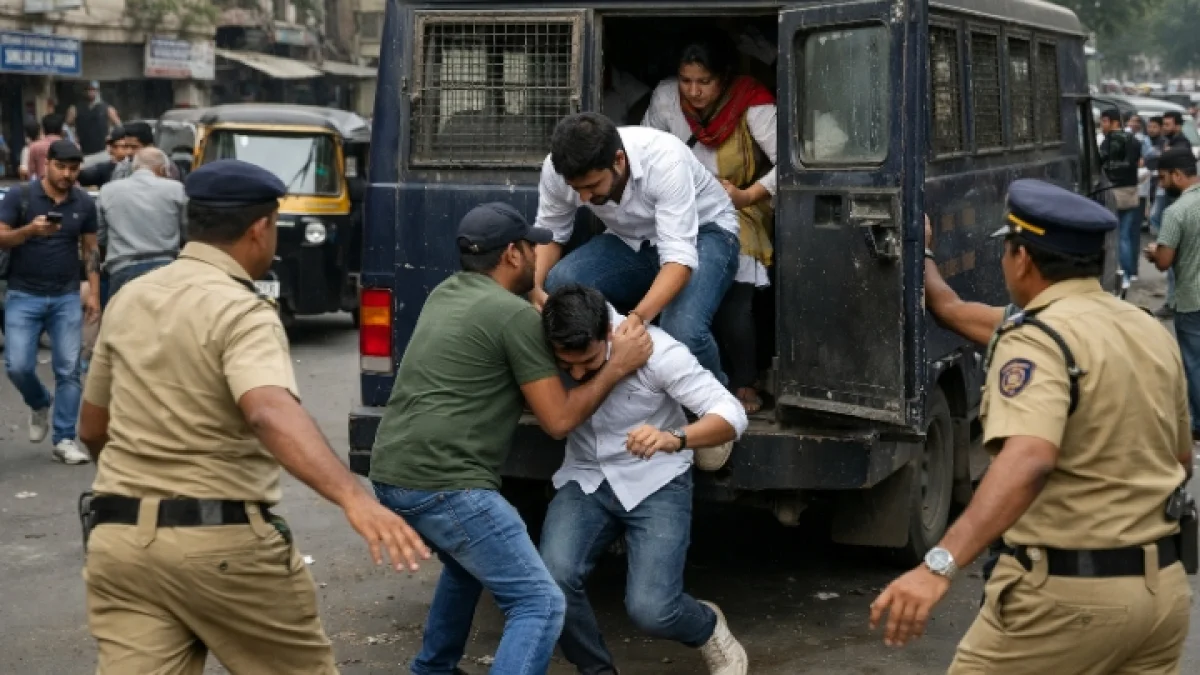
The activist has also said he wants protesters to be allowed to present their grievances before lawmakers without fear of legal repercussions. Earlier this week, he stated that he would continue his fast after alleging that police had acted harshly against demonstrators during the march toward Parliament. Those allegations have not been independently verified by Reuters.
Wangchuk, an engineer and environmental campaigner from Ladakh, has for several years advocated constitutional safeguards for the Himalayan region, including stronger protections for land, natural resources and local communities. His current protest has drawn support from civil society groups, students and opposition politicians, while also becoming associated with wider public debates over governance and accountability.
On Wednesday, opposition lawmakers attempted to meet Wangchuk at the hospital but said they were prevented from doing so, prompting criticism of the authorities. Government officials had not publicly responded to those claims as of Thursday.
Indian authorities transferred Wangchuk to hospital on July 18 after doctors warned that prolonged fasting posed serious health risks, including potentially life-threatening complications. The move followed medical recommendations and proceedings before the Delhi High Court, despite Wangchuk's stated opposition to being hospitalized.
As of Thursday, Wangchuk remained under medical care while maintaining that he would continue his hunger strike unless his stated conditions were met. Hospital officials continued to describe his condition as stable under close observation.