South Carolina is entering an unusually compressed election process after the death of Senator Lindsey Graham, with state officials preparing a special Republican primary to determine who will replace him on the November general election ballot while Governor Henry McMaster's interim appointment ensures the state maintains full representation in the U.S. Senate until the new Congress convenes in January 2027. The accelerated timetable reflects the interaction between South Carolina election law and the broader federal election calendar, creating a rapid succession process with political and legal significance beyond the state's borders.
The special primary is significant because it separates two distinct legal questions created by Graham's death. One concerns representation in the Senate during the remainder of his current term, while the other concerns who will become the Republican nominee for the next six-year term beginning in January. Under South Carolina law, Governor McMaster has already exercised his authority to appoint Darline Graham, the late senator's sister, to fill the vacancy temporarily. At the same time, because Lindsey Graham had already secured the Republican nomination for the November election, state law requires a special Republican primary to select a replacement nominee rather than allowing party leaders to designate one directly.
The statutory framework illustrates how South Carolina attempts to preserve both continuity in federal representation and electoral legitimacy. Section 7-19-20 of the South Carolina Code authorizes the governor to appoint an interim senator until a successor is elected. Separately, Section 7-11-55 requires a special primary when a party nominee dies after winning a primary election. State election officials have accordingly scheduled candidate filing from July 21 through July 28, followed by a statewide Republican primary on Aug. 11 and, if necessary, a runoff on Aug. 25 before the Nov. 3 general election.
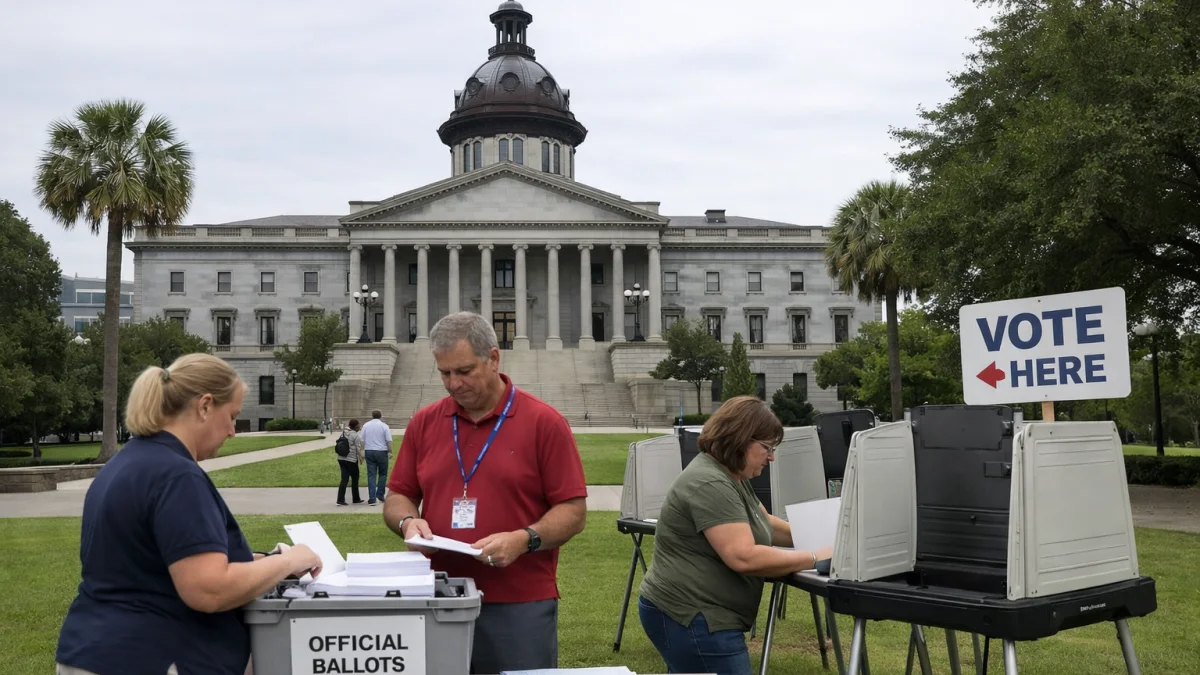
The compressed schedule creates practical challenges for candidates, election administrators and voters. Prospective candidates have only a brief filing window before campaigning statewide over just a few weeks. Election officials must organize absentee voting, early voting and ballot preparation within an accelerated timeline while ensuring compliance with both state and federal election requirements. Analysts have also noted that the schedule leaves limited time for military and overseas voting procedures, an issue that has attracted attention in previous discussions of election administration.
Politically, the primary is expected to become the decisive contest because South Carolina has consistently favored Republicans in statewide federal elections over the past two decades. That expectation has encouraged interest from several prominent Republican figures, including members of the state's congressional delegation and statewide officeholders. While the Democratic nominee remains on the November ballot, political observers broadly regard the Republican nomination as carrying substantial weight in determining Graham's long-term successor, although the outcome ultimately rests with voters.
The succession process also has immediate consequences for Senate operations in Washington. Graham chaired the Senate Judiciary Committee and served on several influential committees, making his death significant for Republican legislative strategy. His temporary replacement restores the party's numerical strength in the Senate while lawmakers continue considering major legislation, nominations and national security matters. However, committee leadership responsibilities and longer-term political influence cannot be transferred automatically through an interim appointment, meaning congressional leaders must manage both procedural and political adjustments during the remainder of the session.
Historically, vacancies caused by the death of senators have often required balancing executive appointment powers with electoral accountability. South Carolina's approach differs from states that permit party committees to replace nominees directly or that require immediate special elections without interim appointments. By combining a gubernatorial appointment with a fast-tracked primary, the state's legal framework seeks to maintain uninterrupted representation while allowing party voters—not party officials—to choose the nominee for the general election.
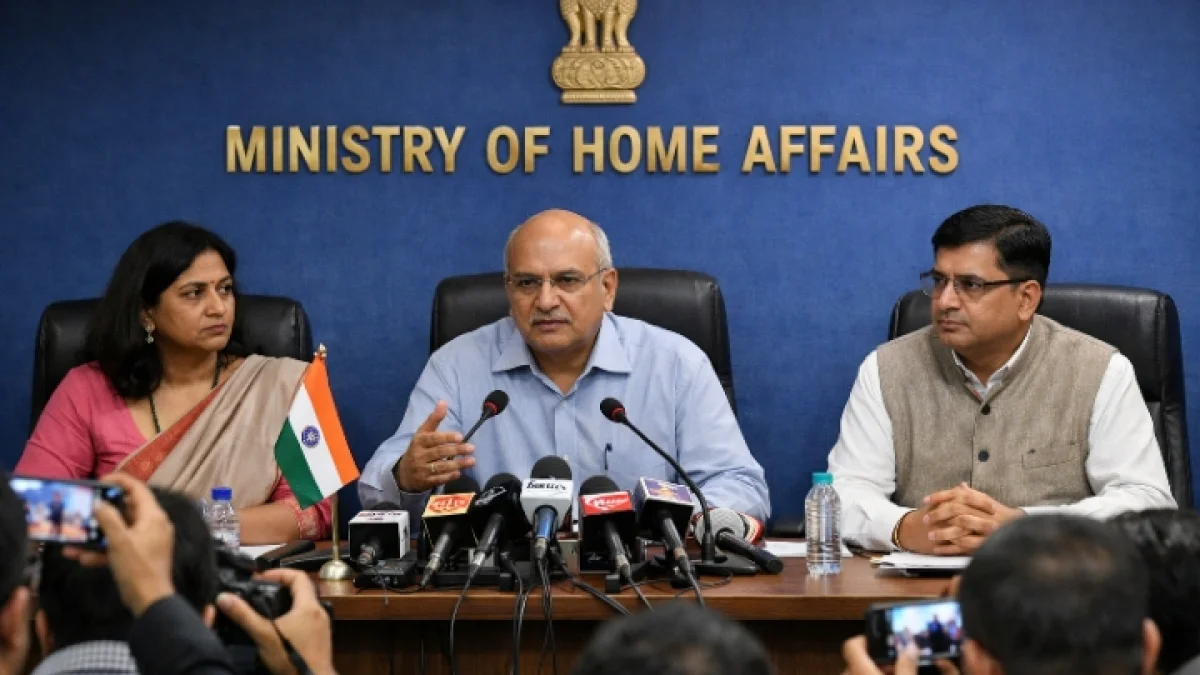
Governor McMaster has described his appointment of Darline Graham as fulfilling a legal obligation while emphasizing continuity in representing South Carolina until the expiration of the current Senate term. The South Carolina Election Commission has likewise focused on implementing the statutory timetable, publishing filing dates and election procedures intended to keep the November election on schedule. Official guidance stresses that the special primary affects only the Republican nomination, while the general election itself will proceed on Nov. 3 as planned.
The immediate legal framework is therefore settled, but the political outcome remains open. State officials are now monitoring candidate filings beginning July 21, preparations for the Aug. 11 special primary and any runoff required later in the month. Those milestones will determine who succeeds Lindsey Graham as the Republican nominee for November, while Darline Graham continues serving as South Carolina's interim senator until the next Congress is sworn in, consistent with state law and the current election schedule.