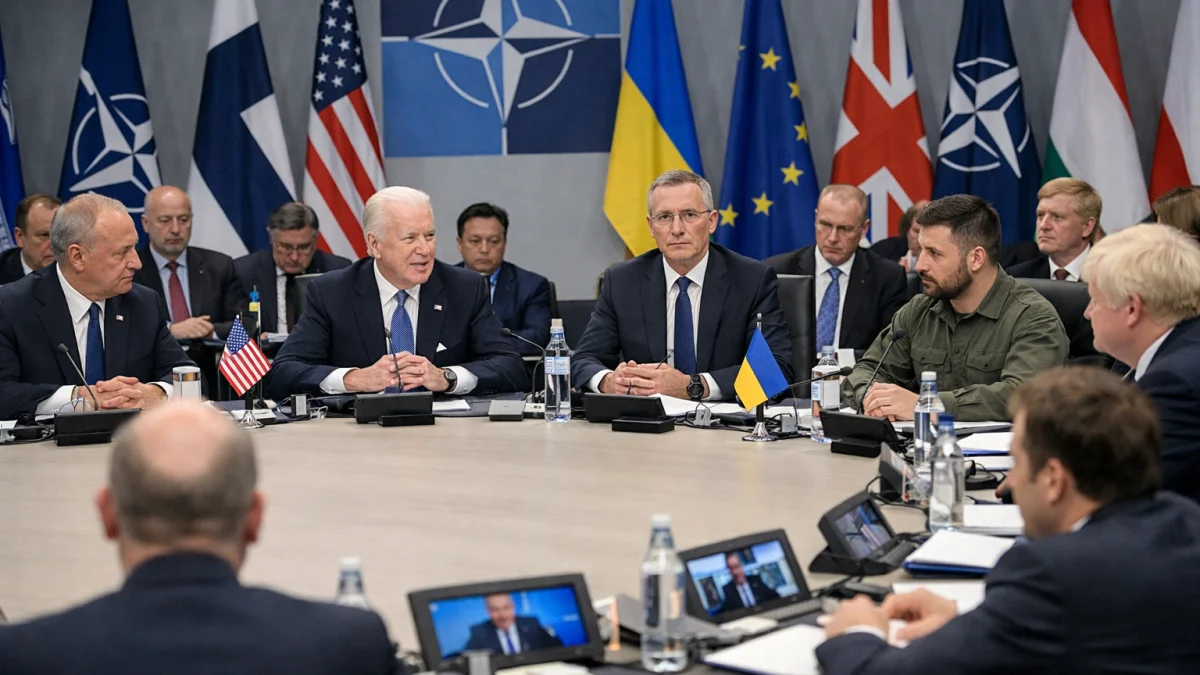
ANKARA — NATO leaders used their summit in Türkiye to address security concerns linked to Iran and reaffirm long-term support for Ukraine, as the alliance sought to coordinate responses to two major conflicts affecting its strategic environment.
The NATO Heads of State and Government meeting in Ankara on July 8 concluded with a declaration that highlighted continued backing for Ukraine and stated that Iran must not obtain a nuclear weapon. The alliance also called on Tehran to respect freedom of navigation in the Strait of Hormuz.
NATO allies pledged €70 billion in military equipment, assistance and training for Ukraine in 2026 and said they intended to maintain equivalent levels of support in 2027, according to the summit declaration. The document said allies remained committed to helping Ukraine defend its sovereignty and territorial integrity amid Russia’s ongoing war.
NATO Secretary-General Mark Rutte said the summit demonstrated allied unity and reaffirmed the alliance’s collective defence commitment under Article 5 of the Washington Treaty. NATO said European allies and Canada were financing the majority of security assistance to Ukraine through bilateral and multilateral channels.
The summit also addressed concerns over Iran’s nuclear ambitions and regional military capabilities. NATO’s declaration repeated the alliance’s position that Iran must not acquire a nuclear weapon and referenced concerns over threats to maritime security in the Strait of Hormuz, a key global energy route.
The discussions came as tensions involving Iran and its regional activities remained a focus of international security planning. NATO has previously said Iran’s missile capabilities pose risks to allied interests, while Tehran has maintained that its nuclear programme is for peaceful purposes.
Ukrainian President Volodymyr Zelenskiy attended the summit, where NATO leaders discussed continued military assistance and Ukraine’s defence needs. NATO said the alliance would continue supporting Ukraine while seeking sustainable and predictable assistance arrangements.
The Ankara summit also included broader defence commitments, with NATO announcing new initiatives on military capabilities and industrial cooperation. Secretary-General Rutte said allies had agreed on measures to strengthen defence readiness and expand investment in areas including procurement and emerging technologies.
The meeting ended with NATO maintaining its stated priorities of strengthening collective defence, supporting Ukraine and addressing security challenges linked to Iran and other regional threats.