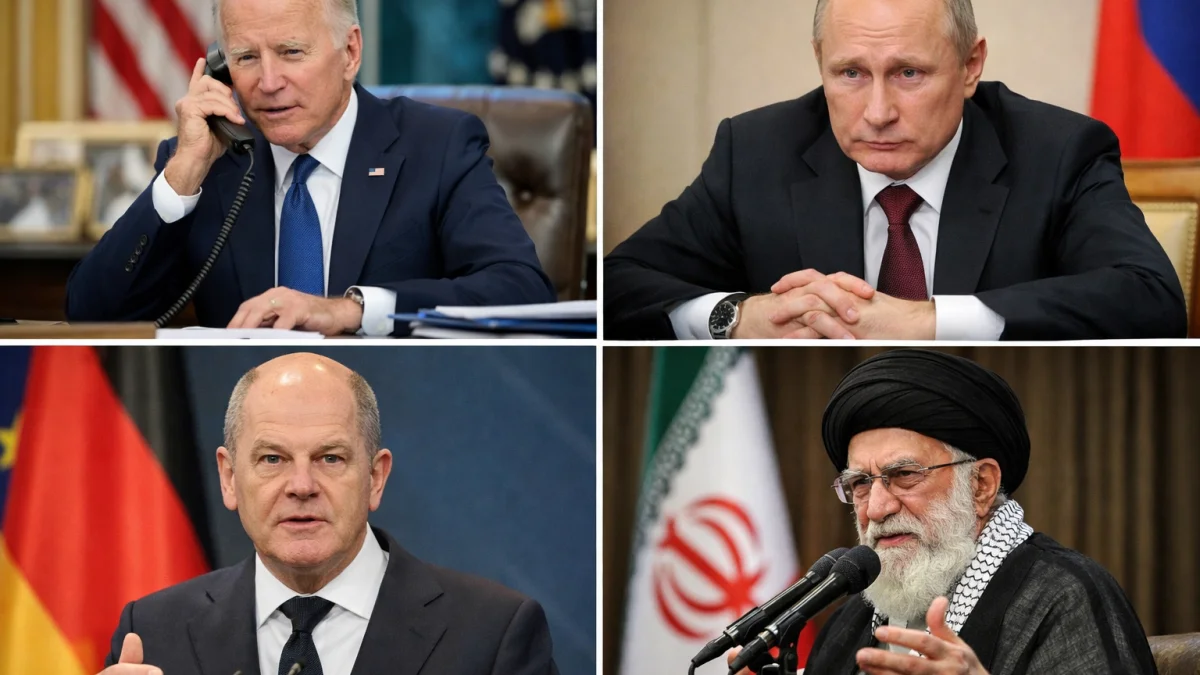
NEW YORK — World leaders on Saturday urged restraint and renewed diplomatic efforts as the military confrontation between the United States and Iran intensified following fresh exchanges of strikes that expanded instability across the Gulf region and prompted heightened international concern over regional security and global energy supplies.
United Nations Secretary-General António Guterres reiterated calls for all parties to avoid further escalation and comply with international law, while senior U.N. officials warned that the renewed fighting underscored the fragility of previous ceasefire efforts and the need to return to dialogue. Earlier U.N. Security Council briefings had emphasized that military escalation threatened regional peace and could derail diplomatic initiatives aimed at reducing tensions.
European leaders also appealed for de-escalation. European Commission President Ursula von der Leyen called on all sides to exercise maximum restraint, protect civilians and respect international law, while leaders from France, Germany and the United Kingdom reiterated their support for diplomatic negotiations and regional stability. French President Emmanuel Macron previously warned that continued military escalation carried serious consequences and called for renewed international engagement.
Several Gulf states condemned the latest Iranian attacks targeting countries in the region. According to official statements cited by regional media and international reporting, governments including Jordan, Kuwait and other Gulf partners denounced the strikes and reaffirmed support for protecting civilian infrastructure and maintaining regional security. Air defense systems were activated in several Gulf countries after reports of incoming missiles and drones.
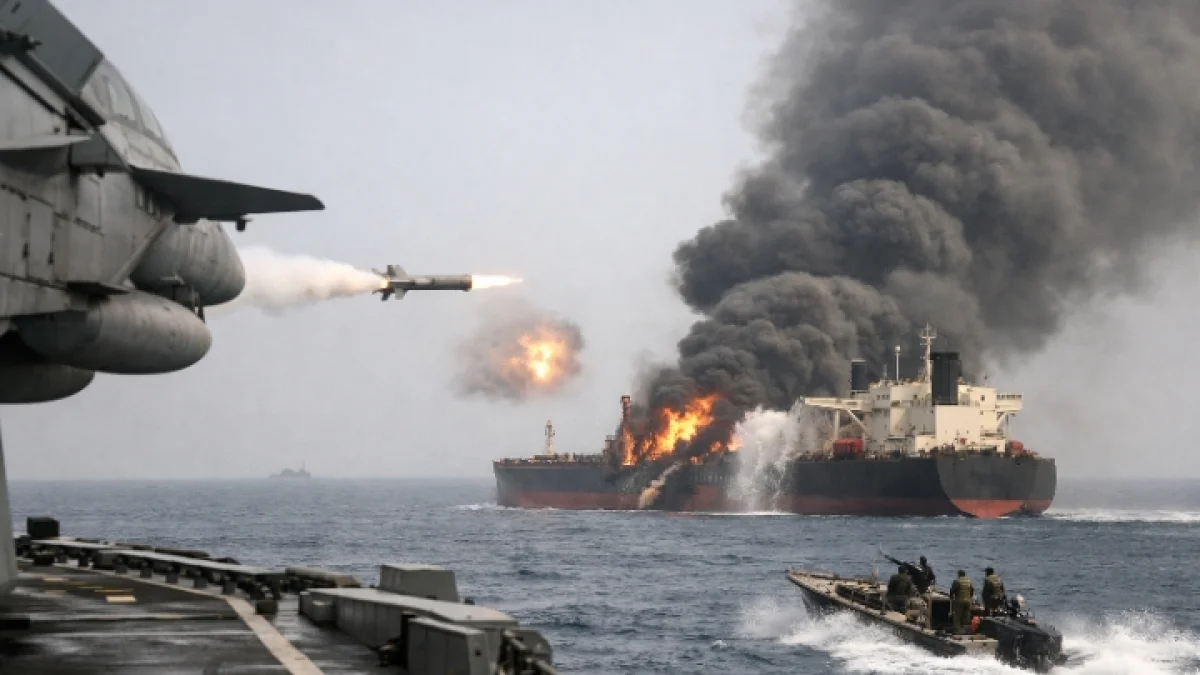
The renewed fighting followed U.S. military strikes against Iranian targets and retaliatory Iranian attacks that officials said were directed at U.S. military assets and strategic facilities in the Gulf. Iranian authorities also declared the Strait of Hormuz closed, although U.S. and British maritime authorities said commercial navigation remained possible through alternative routes despite significant disruption to shipping traffic.
The escalation has heightened concerns over global energy markets because the Strait of Hormuz is one of the world's most important oil transit routes. Shipping companies have adjusted operations while governments issued security advisories for vessels operating in the area.
As of Saturday, no broad international mediation initiative had been formally announced beyond ongoing diplomatic contacts, and governments continued to urge restraint while monitoring developments. The United Nations maintained its call for an immediate reduction in hostilities, saying diplomacy remained the only sustainable path toward preventing a wider regional conflict.