The United States' decision to reinstate a naval blockade targeting Iran has sharply increased concerns over the security of global energy supply routes, pushing oil prices to their highest levels in about a month and refocusing international attention on the vulnerability of maritime chokepoints that underpin world energy trade. The latest escalation follows renewed military exchanges between Washington and Tehran and comes despite an earlier ceasefire framework that had briefly eased concerns over regional stability.
The significance of the latest developments extends beyond bilateral tensions. The Strait of Hormuz remains the world's most strategically important oil transit corridor, carrying roughly one-fifth of global oil and liquefied natural gas shipments under normal conditions. Any disruption, or even the perception that shipping could be interrupted, immediately affects commodity prices, freight insurance costs, tanker availability and broader financial markets. While U.S. officials have indicated that the blockade is directed at Iranian shipping rather than international commercial traffic, markets have responded to the heightened military risk rather than the legal scope of the measures alone.
The immediate market reaction illustrates how geopolitical uncertainty continues to influence energy pricing. Brent crude and U.S. West Texas Intermediate futures climbed sharply after Washington announced the renewed blockade, reflecting investor concerns that further escalation could interrupt supplies from the Gulf. Analysts note that even if physical exports continue, shipping companies, insurers and commodity traders typically price additional risk into contracts whenever military activity intensifies around critical sea lanes.
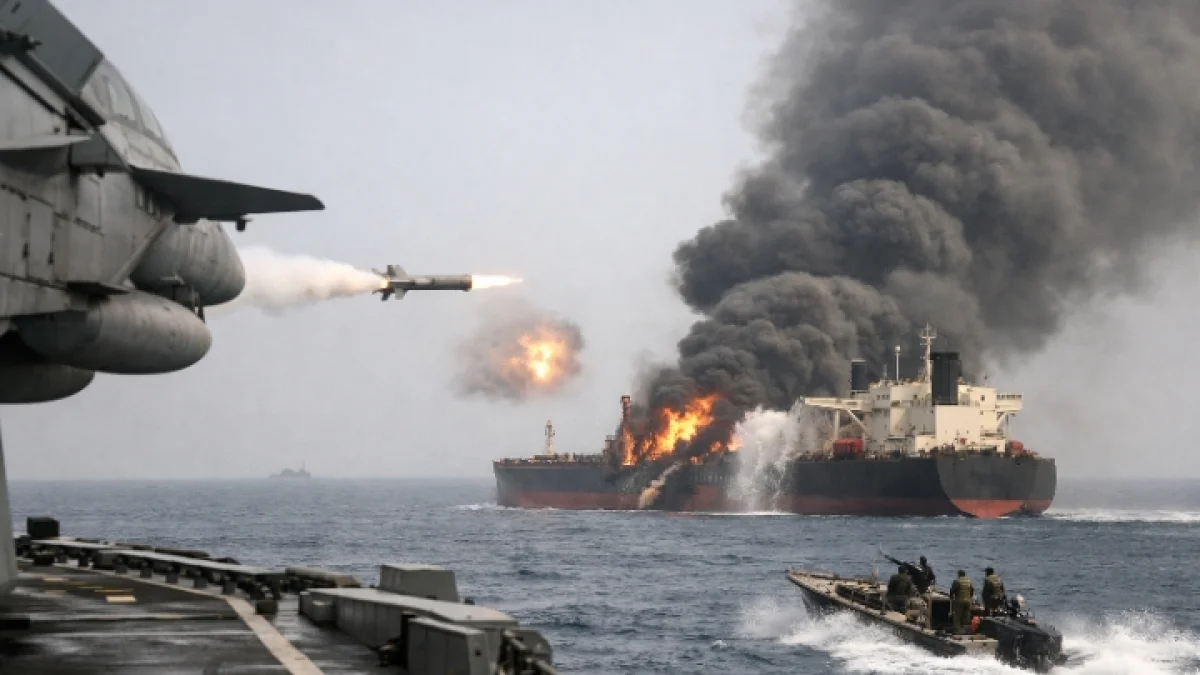
The current episode also highlights the limits of distinguishing between targeted sanctions enforcement and broader maritime security risks. According to U.S. statements, the blockade is intended to prevent Iranian vessels and their customers from operating while allowing other commercial shipping to continue transiting the Strait of Hormuz. However, military exchanges involving missile attacks, naval operations and uncertainty over navigation rights complicate commercial decision-making regardless of the stated policy objective. Shipping companies must evaluate operational risk alongside legal compliance, and insurers often raise premiums even when waterways technically remain open.
Energy markets have repeatedly demonstrated that perceived supply risk can influence prices almost as much as actual production losses. Iran remains an important oil producer, but the broader concern is whether conflict could disrupt exports from neighboring Gulf producers whose crude also depends heavily on Hormuz. Saudi Arabia, Iraq, Kuwait, the United Arab Emirates and Qatar all rely to varying degrees on the corridor for international energy exports. Although some pipeline alternatives exist, they cannot fully replace the volume normally transported through the strait.
The renewed confrontation also carries wider macroeconomic implications. Higher oil prices increase transportation, manufacturing and electricity costs worldwide, potentially complicating inflation trends that many central banks had begun to bring under control. Reuters reported that the geopolitical shock coincided with U.S. inflation data showing earlier moderation, creating uncertainty over whether energy-driven price increases could reverse recent progress. Financial markets have consequently begun reassessing expectations for monetary policy alongside geopolitical developments.
Another important dimension is the resilience of global supply chains. The COVID-19 pandemic, Russia's invasion of Ukraine and repeated attacks on commercial shipping in the Red Sea have already demonstrated how disruptions at maritime chokepoints can ripple through international trade. The latest tensions around Hormuz reinforce concerns that concentrated transport routes remain critical vulnerabilities despite efforts by governments and companies to diversify logistics networks and maintain strategic petroleum reserves.
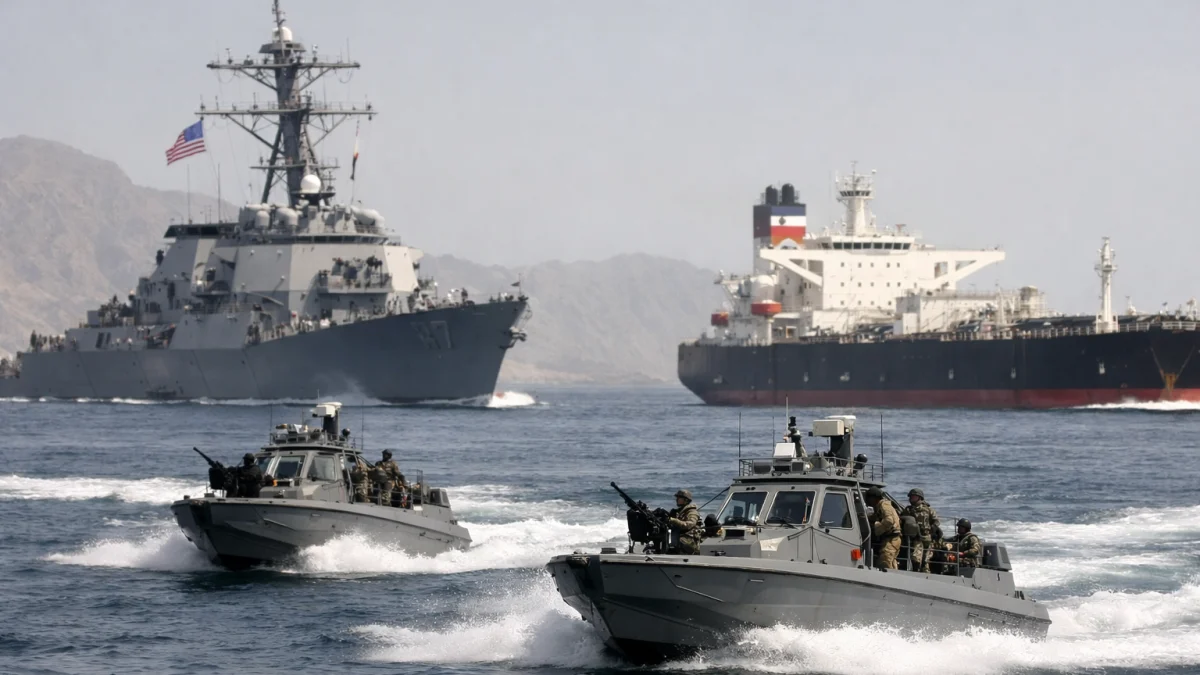
Military analysts also caution that maintaining uninterrupted commercial navigation differs from reopening normal market confidence. Even if naval forces succeed in escorting vessels through the Strait of Hormuz, shipping companies may continue adjusting schedules, reducing sailings or charging higher freight rates while conflict persists. Such responses can tighten effective supply even without a formal closure of shipping lanes. According to expert assessments cited by the Associated Press, reopening confidence in the strait could require sustained security operations rather than isolated military actions.
Diplomatically, the latest developments suggest that earlier efforts to stabilize the conflict have weakened. Markets had previously interpreted the ceasefire memorandum between the United States and Iran as reducing the likelihood of prolonged disruption. The renewed military exchanges and Washington's decision to restore the blockade indicate that those expectations have deteriorated, increasing uncertainty over the trajectory of regional security.
For energy-importing economies, particularly in Asia and Europe, developments in the Gulf remain a critical strategic concern because sustained increases in oil prices could affect inflation, industrial competitiveness and fiscal balances. Governments may monitor strategic fuel inventories, while refiners and shipping companies continue assessing alternative sourcing and transport options should risks intensify.
The confirmed situation remains fluid. The United States has announced the reinstatement of its naval blockade targeting Iranian shipping, while military exchanges between the two countries continue to heighten concerns about maritime security around the Strait of Hormuz. Oil markets have responded with higher prices, but commercial navigation has not been universally halted according to U.S. statements. Officials, energy markets and shipping companies are closely monitoring military activity, vessel traffic, insurance conditions and any further diplomatic initiatives that could either reduce or intensify risks to one of the world's most important energy supply routes.