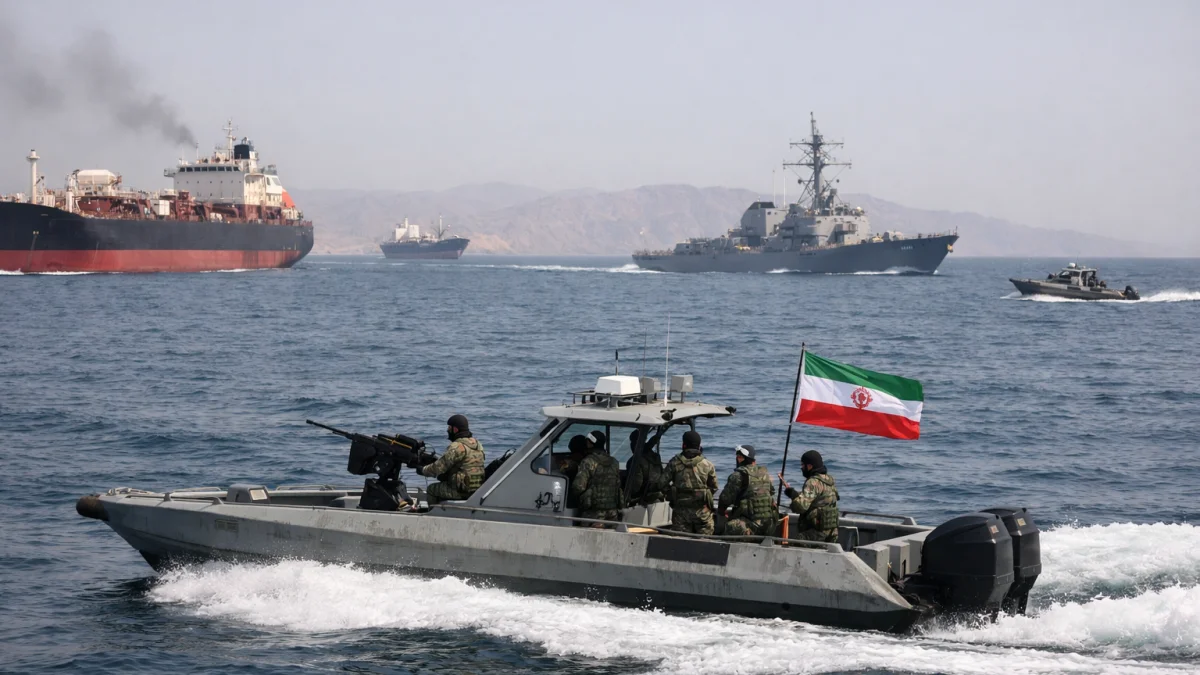
WASHINGTON — The United States has demanded that Iran publicly guarantee the Strait of Hormuz will remain open to international shipping and that Iranian forces will halt attacks on commercial vessels, following a series of strikes on ships that have heightened tensions in one of the world's most important maritime trade routes, senior U.S. officials said on Friday.
The officials, speaking to reporters on condition of anonymity, said Washington wants Tehran to issue a clear public commitment that all shipping lanes through the strait will remain open without tolls or interference. They said the request is a key condition for advancing broader diplomatic efforts aimed at easing the latest confrontation between the two countries.
The Strait of Hormuz carries roughly one-fifth of the world's oil supply, making any disruption a major concern for global energy markets and international shipping.
According to the officials, discussions with Iranian representatives have been productive in recent days despite renewed violence. They said Washington believes recent attacks on commercial vessels were carried out by elements within Iran seeking to undermine a fragile ceasefire, while emphasizing that Tehran must publicly demonstrate it can prevent further incidents. The officials did not present independent evidence supporting that assessment.
Iran has maintained that it retains authority over the strategic waterway and has resisted U.S. demands regarding navigation through the strait. Iranian officials have previously attributed some recent maritime attacks to unauthorized actors, though those claims have not been independently verified.
The U.S. demand follows several weeks of military exchanges between the two countries, including American strikes on Iranian targets and Iranian retaliatory attacks on U.S. facilities in the Gulf region. Those developments strained a ceasefire announced in June and prompted renewed mediation efforts led by Oman.
U.S. officials also said negotiations continue over Iran's stockpile of highly enriched uranium, describing the issue as another central element of any future agreement. They said no comprehensive deal would be possible unless both maritime security and nuclear concerns are addressed.
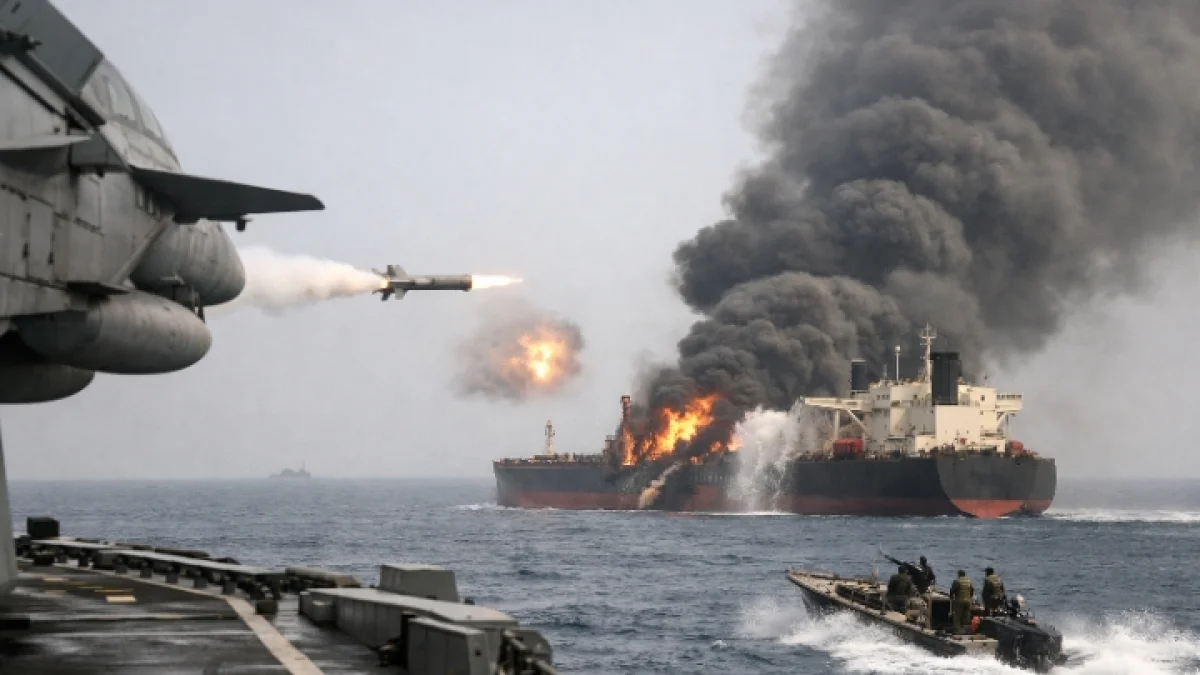
The U.S. Maritime Administration has continued to warn that risks to commercial shipping in the Persian Gulf, the Strait of Hormuz and the Gulf of Oman remain elevated, citing threats including missile, drone and small-boat attacks.
Iranian Foreign Minister Abbas Araqchi is expected to travel to Oman for further talks on maritime security and broader regional issues, according to U.S. officials. As of Saturday, Iran had not publicly issued the guarantee sought by Washington, and negotiations were continuing.