DUBAI — U.S. and Iranian forces exchanged fresh strikes on Monday as both governments hardened competing claims over control of the Strait of Hormuz, deepening a regional confrontation that has raised concerns over global energy supplies and further strained efforts to preserve a fragile diplomatic framework.
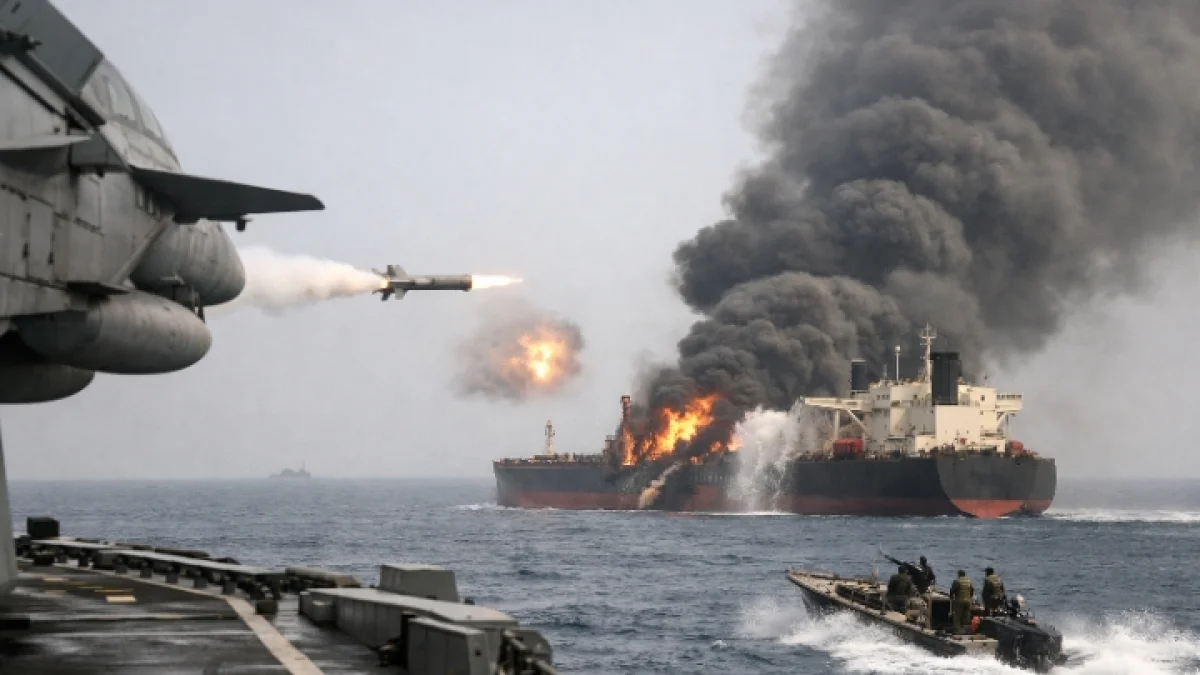
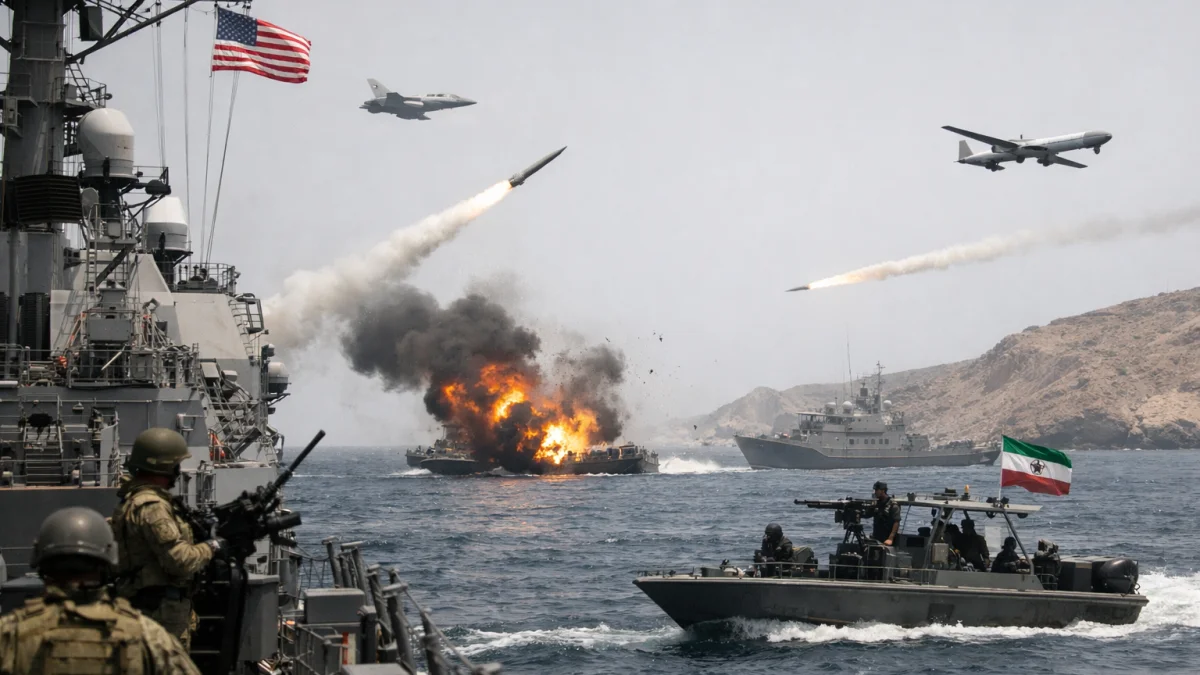
The U.S. military said it had completed a new wave of attacks against Iranian military targets, including air defense systems, coastal radar sites, missile and drone capabilities, and small naval craft that it said were used to threaten commercial shipping through the strategic waterway. U.S. Central Command said the operation involved fighter aircraft, naval vessels, and aerial and maritime drones, adding that the strikes were intended to degrade Iran's ability to attack international shipping.
In a statement, CENTCOM said the Strait of Hormuz remained an international waterway and rejected Tehran's assertion that it controls maritime traffic through the passage. It said U.S. forces remained positioned to ensure freedom of navigation for commercial vessels despite what it described as continued Iranian threats.
Iran responded with missile and drone attacks targeting U.S. military facilities in Bahrain, Kuwait, Jordan and Oman, according to Iranian state media. Tehran also reiterated that it retained authority over navigation through the strait and maintained that recent U.S. military operations had made safe transit impossible. Those claims could not be independently verified.
The latest escalation followed an Iranian attack on a commercial container ship over the weekend that U.S. officials cited as the immediate trigger for the renewed strikes. Iranian authorities have maintained that measures affecting shipping are consistent with their interpretation of a previous interim arrangement governing the waterway, a position rejected by Washington and several international partners.
President Donald Trump said the United States would maintain its military presence in the Strait of Hormuz and announced the reinstatement of a blockade on Iranian shipping, arguing the move was necessary to protect international navigation. Iranian officials condemned the announcement, accusing Washington of violating international norms and undermining ongoing diplomatic efforts.
The renewed fighting pushed oil prices higher as markets reacted to the risk of prolonged disruption along one of the world's most important energy transit routes. Despite Iran's declaration that the strait was closed, U.S. officials said commercial vessels continued to transit the area under military escort, while shipping conditions remained volatile.
No updated independent casualty figures were immediately available. Regional mediators have continued efforts to prevent further escalation, but neither Washington nor Tehran announced any new agreement to halt military operations as of Monday.