Strait of Hormuz transit remains severely constrained in mid-2026, with commercial shipping continuing to operate under elevated security restrictions following months of intermittent conflict in the Gulf. Despite a partial diplomatic easing between the United States and Iran in June, maritime flows through the chokepoint remain significantly below pre-crisis levels, and shipping operators continue to report heightened insurance costs, rerouting, and security incidents affecting tanker operations.
The persistence of disruption is significant because the Strait of Hormuz is the world’s most important oil transit corridor, typically handling about one-fifth of global petroleum liquids trade. Even temporary interruptions in the waterway have historically translated into immediate price volatility and broader uncertainty in energy markets. Current conditions underscore that the risk premium attached to Middle East crude exports has not fully dissipated, even as some tanker traffic has resumed.
Recent reporting indicates a mixed operating environment. Some vessels have resumed passage following diplomatic de-escalation, contributing to a partial stabilization in global supply expectations. However, other indicators point to continued fragility. A South Korean-operated cargo vessel was recently expected to exit the strait after sustaining damage in an earlier attack, highlighting ongoing concerns about maritime security and attribution of responsibility in the region. At the same time, market data suggest that overall throughput remains well below historical norms, with a significant share of tankers still rerouting or operating under “dark shipping” practices that obscure real-time tracking.
The result is a partial normalization layered over persistent operational risk. Analysts note that while oil prices have eased from earlier crisis highs amid improved diplomatic engagement and increased alternative supply routes, the system remains sensitive to renewed disruption. Brent crude has recently traded in the low-70s dollars per barrel range, reflecting a reduced but still present geopolitical risk premium tied in part to uncertainty over Hormuz transit stability.
The Strait’s importance amplifies the economic stakes. In normal conditions, roughly 15–20 million barrels per day of crude and petroleum products move through the waterway, alongside substantial liquefied natural gas volumes. Even partial restrictions therefore require either rerouting around the Cape of Good Hope or increased reliance on pipeline capacity from Gulf producers, both of which raise freight costs and lengthen delivery times. Industry assessments during the crisis period have pointed to steep increases in war-risk insurance premiums and greater reluctance among some carriers to commit tonnage to Gulf loading schedules.
Beyond immediate price effects, the disruption has accelerated structural adjustments in global energy logistics. Gulf exporters have expanded alternative pipeline and export routes where available, while importing regions have increased precautionary stockbuilding and diversification of supply origins. Market observers also note that increased use of transponder-off “dark tanker” operations has reduced transparency in global oil flows, complicating inventory assessment and short-term price discovery.
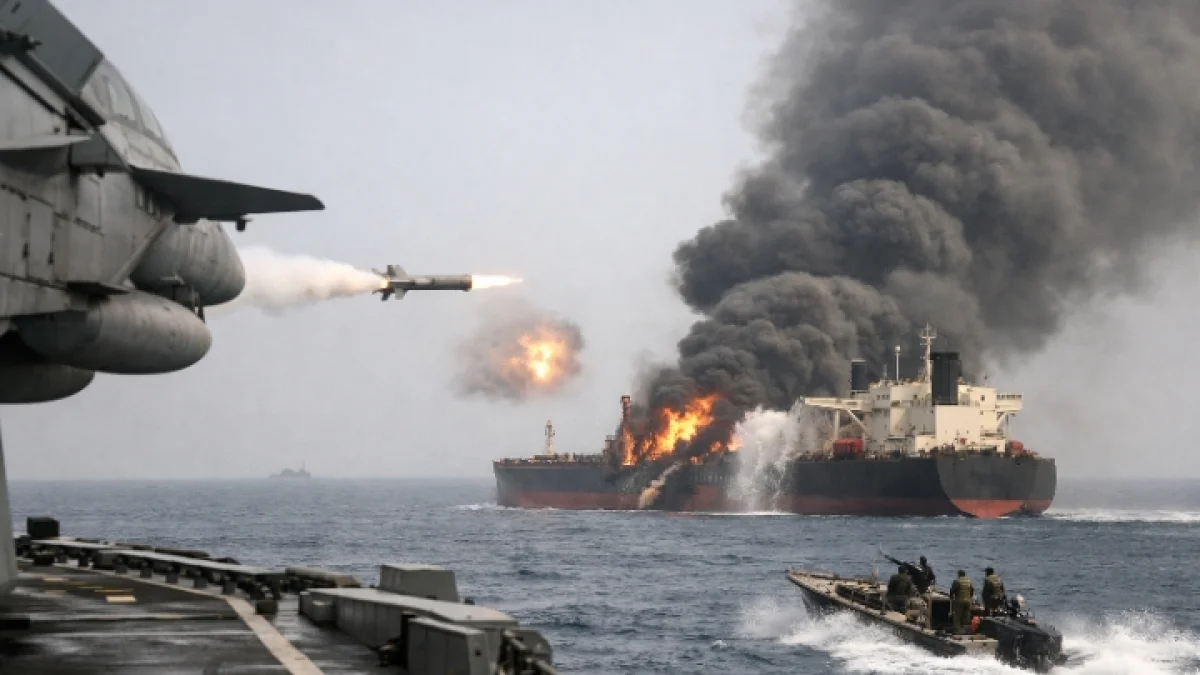
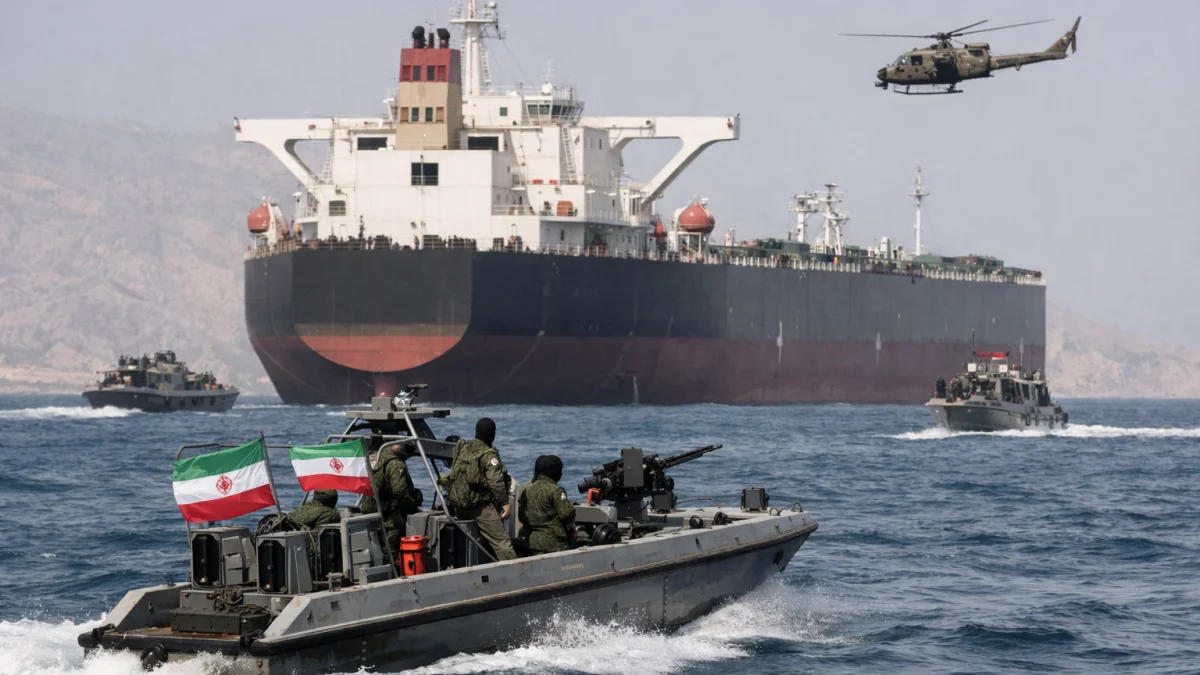
Despite these adjustments, vulnerabilities remain concentrated. Shipping analysts and insurers continue to assess the Strait as a high-risk transit zone, with security conditions subject to rapid change depending on regional military activity and the durability of diplomatic agreements. Even limited incidents—such as vessel boardings or suspected missile strikes—have been sufficient to trigger localized disruptions and spikes in freight risk pricing.
Official monitoring by maritime security agencies and energy market institutions continues to focus on three key variables: the stability of the U.S.–Iran de-escalation framework, the frequency of security incidents involving commercial vessels, and the sustained volume of tanker traffic returning to pre-crisis levels. None of these indicators has yet fully normalized.
Overall, the current situation reflects a partial reopening of a critical global trade artery under persistent geopolitical risk. While immediate supply shocks have eased compared with earlier phases of the crisis, the Strait of Hormuz remains a structurally sensitive chokepoint, and its operating conditions continue to represent a key uncertainty for global oil shipping and energy price stability.