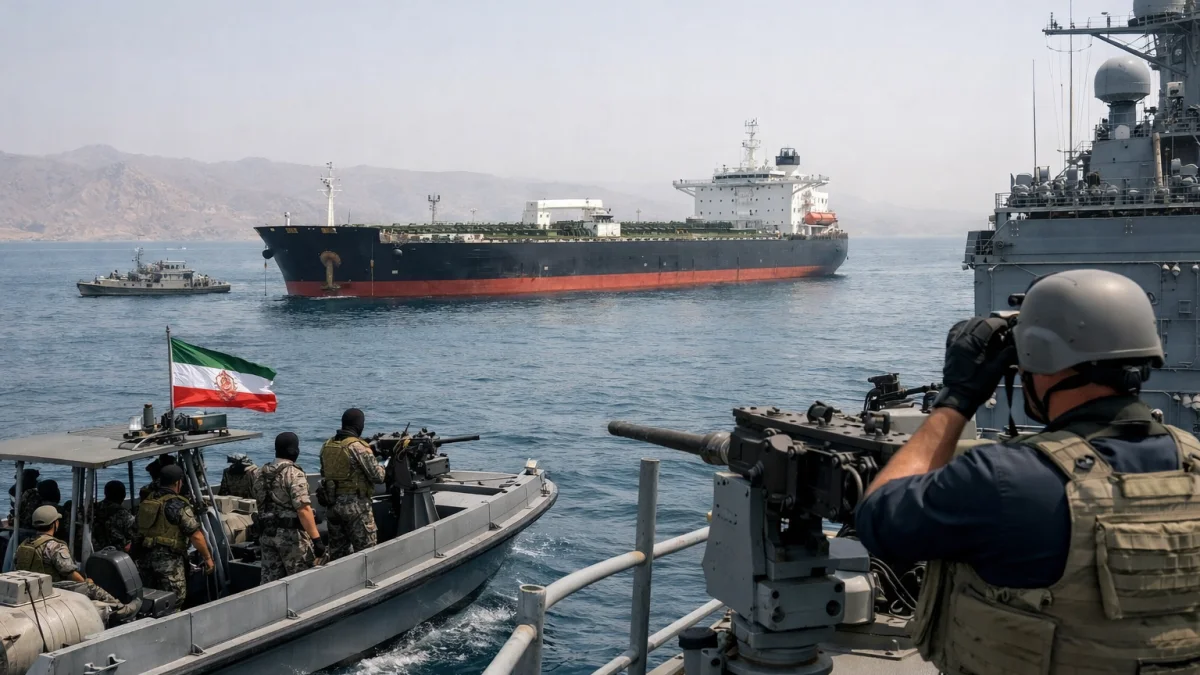
LONDON — Shipping traffic through the Strait of Hormuz slowed sharply on Friday as commercial operators delayed or rerouted voyages following renewed military exchanges between the United States and Iran, raising concerns over the security of one of the world's most important energy transit routes.
Ship-tracking data reviewed by maritime analysts showed a significant decline in vessel movements through the narrow waterway linking the Persian Gulf with the Gulf of Oman after the latest escalation in hostilities. While some tankers and liquefied natural gas carriers continued to transit the strait, overall traffic fell to its lowest level since late June, according to shipping data providers and industry analysts.
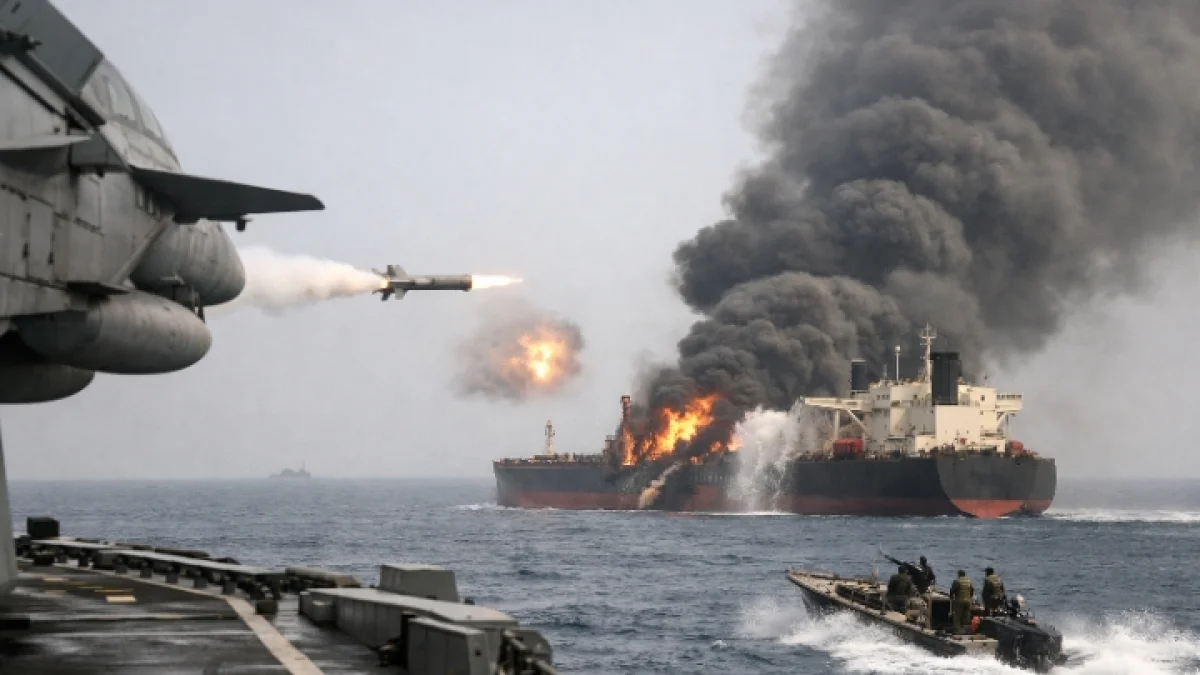
The slowdown followed renewed U.S. military strikes on Iranian targets and retaliatory Iranian actions in the Gulf, developments that prompted shipowners, charterers and insurers to reassess the risks of operating in the region. Several maritime security advisers recommended suspending new voyages through the area until the security situation became clearer, while insurance premiums for vessels entering the Gulf increased, according to industry sources.
Analysts said some vessels continued sailing but altered their routes or temporarily switched off their Automatic Identification System (AIS) transponders, a practice occasionally used in high-risk areas to reduce exposure, making overall traffic more difficult to assess. Others appeared to favor routes closer to Iran's northern side of the strait rather than the southern shipping corridor near Oman.
The Strait of Hormuz carries roughly one-fifth of the world's seaborne oil trade and substantial volumes of liquefied natural gas, making any disruption closely watched by governments and energy markets. Oil prices remained elevated during the week as traders assessed the potential impact of reduced shipping activity on global supplies, although some analysts said markets were still treating the disruption as a security risk rather than evidence of a prolonged closure of the waterway.
Governments and shipping companies continued monitoring the situation, with several countries advising commercial vessels to exercise heightened caution while transiting the region. Maritime authorities have not announced a formal closure of the strait, and a limited number of commercial vessels continued to pass through despite the heightened tensions.
As of Friday, there was no official confirmation that shipping had been completely suspended across the waterway, but industry data indicated that vessel movements remained significantly below normal levels while operators awaited further developments in the U.S.-Iran confrontation.