MOSCOW—Russia has halted its participation in the Black Sea grain export arrangement, a move that threatens to disrupt one of the world's most important agricultural trade corridors and has renewed concerns about global food security, according to Russian officials.
The Kremlin said the decision followed the expiration of the existing framework and longstanding Russian complaints that commitments related to its own agricultural exports and fertilizer shipments had not been fully implemented. Russian officials have repeatedly argued that Western sanctions continue to create obstacles for payments, shipping insurance and logistics linked to Russian food and fertilizer exports, despite exemptions covering food products.
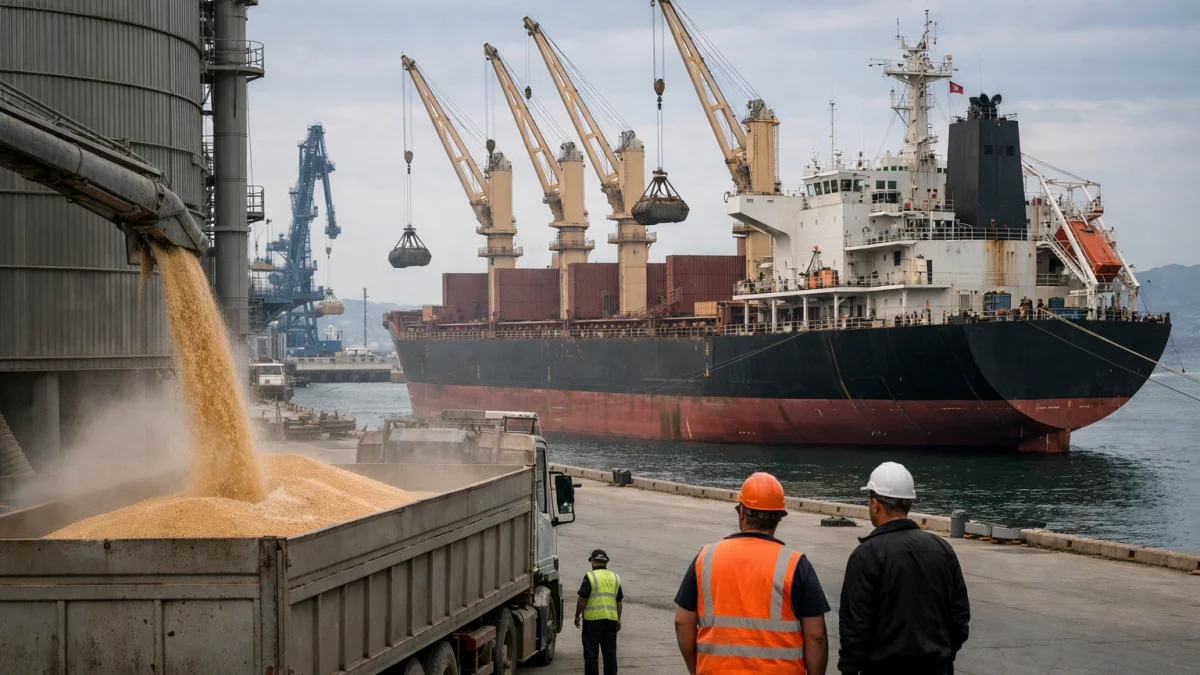
The Black Sea grain initiative, originally brokered by the United Nations and Turkey, was designed to facilitate the safe movement of grain from Ukrainian ports while helping stabilize global food supplies following Russia's full-scale invasion of Ukraine. The agreement has been viewed by the United Nations and humanitarian agencies as an important mechanism for limiting disruptions to international grain markets.
Ukrainian officials have accused Moscow of using food exports as leverage and said Russia's withdrawal risks undermining supplies to countries that depend heavily on imported grain. Kyiv has maintained that its agricultural exports remain critical to global markets and has called for continued international support to preserve maritime trade routes.
The United Nations has repeatedly urged both sides to maintain arrangements that allow food and fertilizer shipments to reach world markets, warning that any interruption could disproportionately affect lower-income countries facing food insecurity. Turkish officials have also previously sought to mediate between Moscow and Kyiv in an effort to preserve safe shipping through the Black Sea.
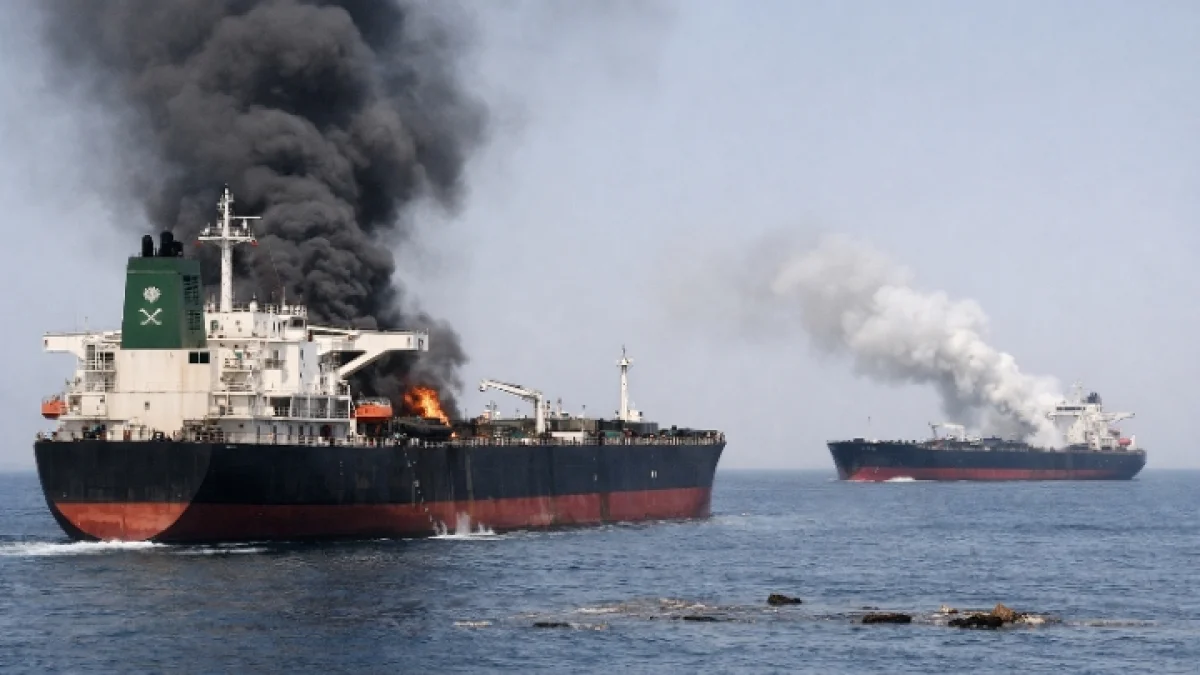
The latest announcement comes as broader security risks in the Black Sea and Sea of Azov have intensified. Recent attacks on commercial vessels and shipping infrastructure have disrupted grain logistics, with industry sources reporting restrictions on traffic through key export routes used by Russia, the world's largest wheat exporter. Analysts have warned that prolonged disruptions could tighten global grain supplies and increase price volatility.
Agricultural markets have closely monitored developments because both Russia and Ukraine remain among the world's leading exporters of wheat, corn and sunflower oil. Previous interruptions to Black Sea exports contributed to higher international food prices and increased concerns over supply for import-dependent countries.
As of Friday, no new internationally backed agreement replacing the existing framework had been announced, and officials from the United Nations and other parties had not confirmed a timetable for renewed negotiations.