WASHINGTON — Senate Republicans are preparing for a series of high-stakes contests to defend and retain control of key Senate seats ahead of the November midterm elections, following the death of South Carolina Senator Lindsey Graham and amid broader uncertainty over the party's congressional majority.
Graham's death has forced Republicans to organize both an immediate appointment process and a rapid special nomination contest in South Carolina, while party leaders also seek to preserve their narrow Senate majority during a compressed legislative calendar, according to state election procedures and congressional officials.
Under South Carolina law, Republican Governor Henry McMaster is expected to appoint an interim senator to serve the remainder of Graham's current term. Because Graham had already secured the Republican nomination for November's election, state law also requires a special process to select a replacement nominee for the general election ballot. Candidate filing is expected later this month, with a Republican special primary scheduled in August if multiple candidates enter the race.
Several Republican figures have been identified by U.S. media as potential contenders, although no official nominee has been selected. President Donald Trump said in an interview that he had a preferred candidate in mind but declined to identify that person, saying it was too soon following Graham's death.
Democrats are also preparing for the contest. Pediatrician Annie Andrews, who had been challenging Graham before his death, remains positioned as the Democratic nominee, according to party officials and campaign statements.
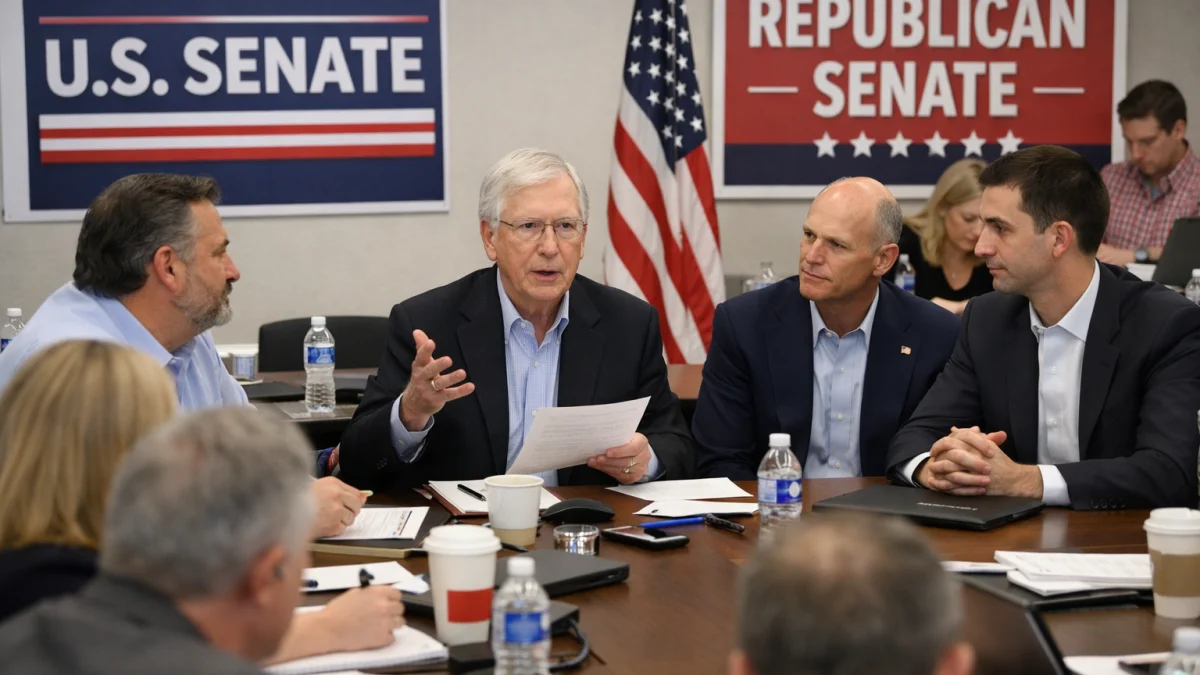
The vacancy comes as Senate Republicans return to Washington with a reduced working majority while Senator Mitch McConnell remains absent because of health issues. Congressional leaders face a packed agenda that includes appropriations legislation, national security measures and confirmation votes before lawmakers leave to campaign for the midterm elections.
Republican leaders have not announced changes to their broader election strategy but have emphasized maintaining competitiveness in Senate races viewed as essential to preserving the party's majority. Party officials are expected to focus additional organizational and fundraising resources on South Carolina as the replacement process moves forward.
Election officials have not yet finalized all deadlines associated with the South Carolina vacancy, and state authorities are expected to release additional guidance as the nomination process proceeds.