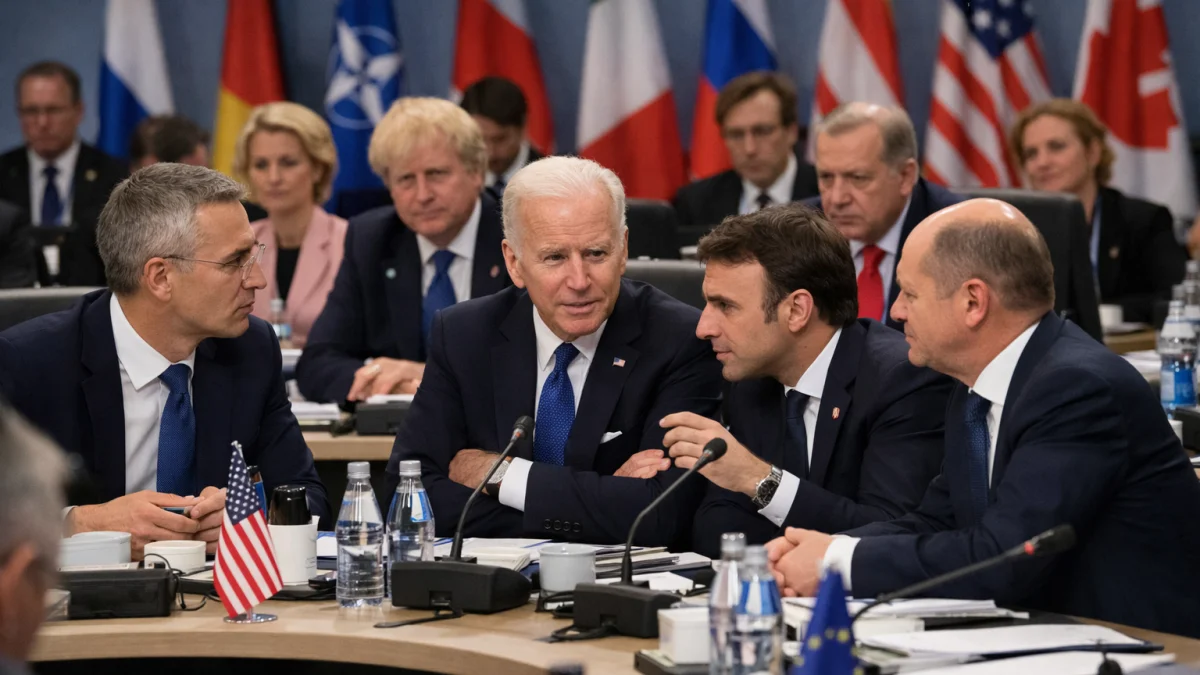
ANKARA — Discussions at last week's NATO summit underscored persistent strains in transatlantic relations despite allied leaders reaffirming their commitment to collective defence, as European governments prepared to assume a larger share of the alliance's security responsibilities amid a changing U.S. role.
The alliance's leaders concluded the July 7-8 summit in Ankara with a declaration reaffirming their "ironclad commitment" to Article 5, NATO's mutual defence clause, while pledging to strengthen deterrence, increase defence investment and maintain support for Ukraine in its war against Russia, according to the summit declaration issued by NATO.
The meeting nevertheless highlighted continuing debate over burden-sharing, with European allies accelerating plans to expand military spending and defence production as Washington signals a reduced long-term role in Europe's conventional defence.
NATO Secretary General Mark Rutte said before and during the summit that the alliance must convert previous commitments into concrete results through higher defence spending, expanded industrial production and continued support for Ukraine. He also stressed that NATO would remain a transatlantic alliance even as European members assume greater responsibility for regional security.
The summit declaration noted that European allies and Canada had increased investments in core defence requirements by more than $139 billion in 2025 and reaffirmed commitments to strengthen the alliance's industrial base and resilience against long-term security threats, particularly from Russia.
Financial analysts said the strategic shift could carry broader economic implications. Moody's said on Monday that the United States' reduced involvement in European security represented a credit-negative development for several European sovereigns because higher defence spending could place additional pressure on government finances during the transition.
While differences over defence responsibilities remained evident, leaders sought to present a unified front on collective security. The Ankara declaration reaffirmed support for the transatlantic bond and described alliance unity and solidarity as the foundation of NATO's security architecture.
The summit also focused on expanding defence industrial cooperation, procurement and innovation through a dedicated Defence Industry Forum held alongside leaders' meetings, reflecting NATO's effort to translate higher spending commitments into increased military capability.
The alliance concluded the summit by endorsing continued implementation of the commitments agreed in Ankara, with NATO officials expected to oversee follow-up work on defence investment, capability development and support measures approved by member states.