ANKARA — Governments meeting through major multilateral forums have increasingly linked economic resilience with security cooperation, reflecting a broader effort to address overlapping risks ranging from geopolitical tensions and supply-chain disruptions to defense industrial capacity and global trade.
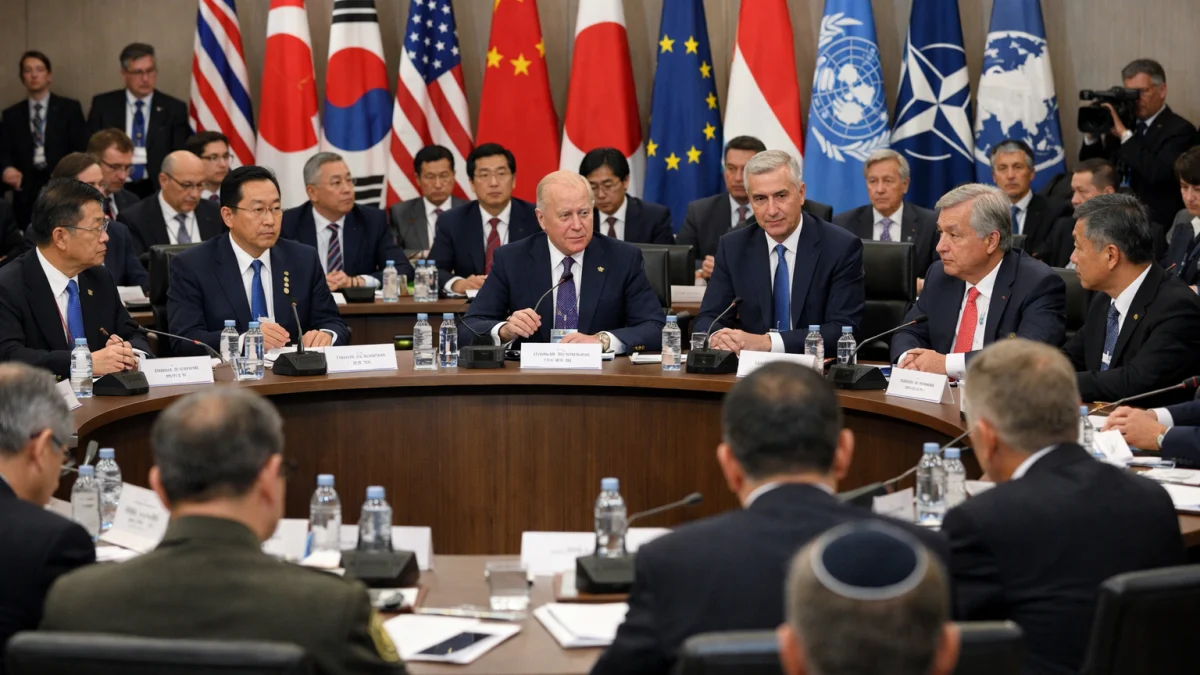
At the NATO summit held in Ankara on July 7-8, allied leaders reaffirmed their commitment to collective defense while placing greater emphasis on strengthening industrial resilience, expanding defense production and improving cooperation between governments and industry. NATO said leaders agreed to deepen collaboration aimed at increasing manufacturing capacity, encouraging innovation and reducing barriers to defense trade within the alliance.
NATO Secretary General Mark Rutte said after the summit that allies were shifting their focus from setting investment targets toward delivering concrete results through higher production, greater resilience and closer cooperation with partners. He said stronger industrial capacity would reinforce both security and long-term economic stability across the alliance.
The alliance also highlighted the role of its Defence Industry Forum, which brought together government officials, military representatives and private-sector executives to discuss joint procurement, innovation and industrial cooperation. NATO said the forum was intended to accelerate implementation of commitments made by member states while strengthening transatlantic defense production.
The discussions reflected a broader trend among international organizations in recent years as governments increasingly treat economic policy, technology, supply-chain resilience and national security as interconnected issues rather than separate policy areas.
Officials have argued that disruptions to critical supply chains, energy markets and strategic industries can have direct implications for national security, while security crises can in turn affect trade, investment and economic growth.
NATO leaders reaffirmed their commitment to Article 5 collective defense while noting continued efforts to increase defense investment and industrial cooperation. According to the alliance, European allies and Canada have expanded defense spending since commitments adopted at the 2025 summit, alongside initiatives intended to strengthen industrial capacity and resilience.
The Ankara summit concluded with member governments endorsing a declaration outlining continued work on defense investment, industrial cooperation and partnerships. NATO said implementation of those commitments will continue through alliance institutions and follow-up meetings in the coming months.