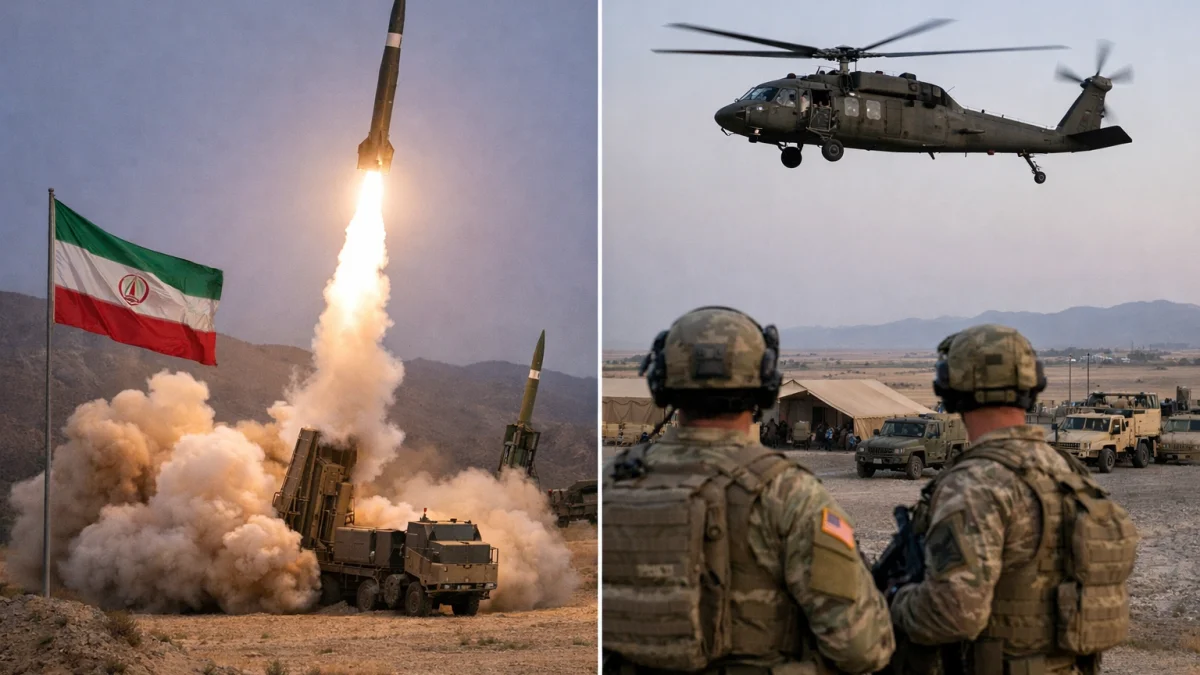
CAIRO — Iran launched a fresh wave of missile and drone attacks against U.S.-linked military targets in Bahrain, Kuwait and Jordan on Thursday, while U.S. forces continued strikes against Iranian military infrastructure in an escalating confrontation that has raised fears of a broader regional conflict.
Iran's Islamic Revolutionary Guard Corps said it fired ballistic missiles at a U.S. air base in Jordan, while Iranian military statements said drones targeted U.S. facilities in Bahrain and Kuwait. Authorities in Kuwait reported hostile drone activity and said air defense systems were engaged, while Bahrain also activated air raid warnings. The extent of damage and any casualties was not immediately confirmed independently.
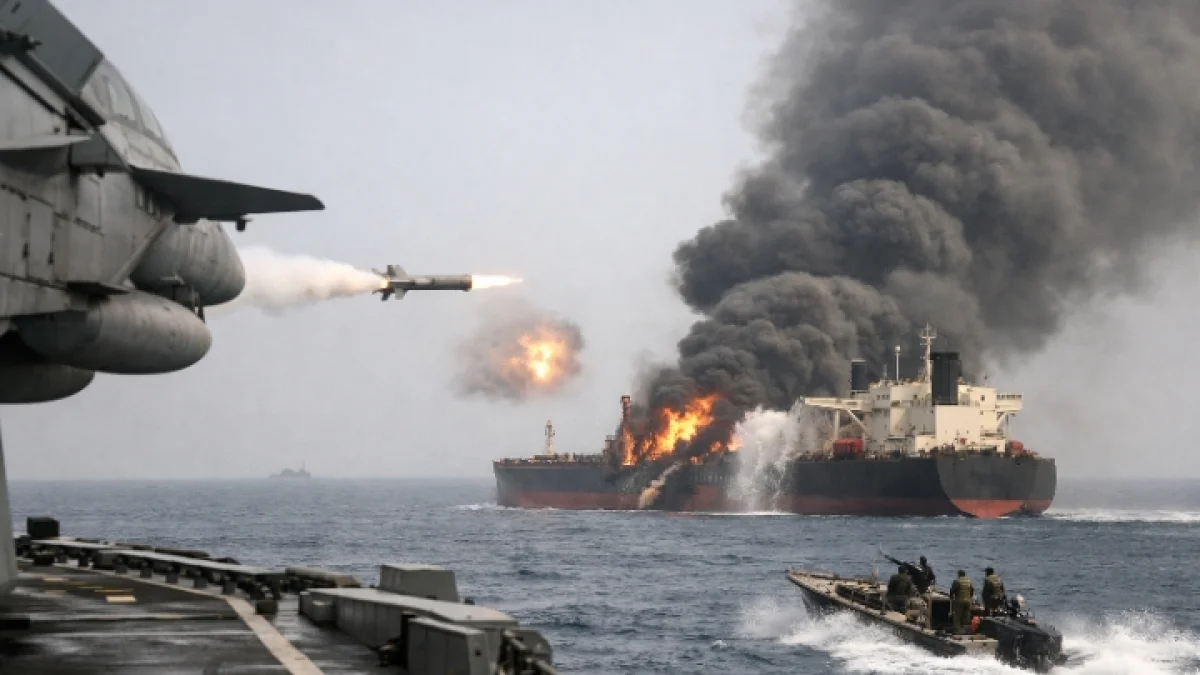
The attacks followed a new round of U.S. military operations that American officials said were aimed at degrading Iran's ability to threaten commercial shipping through the Strait of Hormuz. U.S. Central Command said its forces struck command centers, air defense systems, missile and drone capabilities, coastal surveillance facilities and other military targets, including sites around Bandar Abbas. Iranian state media also reported strikes near Tehran, marking the first reported attacks on the capital during the latest phase of the fighting.
The Pentagon said the latest operations formed part of an ongoing campaign directed at military capabilities linked to attacks on maritime traffic. Iranian officials, meanwhile, described the conflict as an "existential war" and warned that additional regional infrastructure could be targeted if U.S. operations continued.
Iran's Health Ministry said recent U.S. strikes had killed at least 35 people and wounded more than 300, figures that could not be independently verified. U.S. officials have not publicly commented on Iranian casualty claims.
The renewed exchange of attacks has intensified concerns over the security of the Strait of Hormuz, through which roughly one-fifth of global oil and gas shipments moved before the latest hostilities. Shipping disruptions and heightened military activity have contributed to higher energy prices and increased uncertainty across Gulf financial markets.
Governments across the region remained on heightened alert as military operations continued. Neither Washington nor Tehran announced any immediate plans to halt their campaigns, while diplomatic efforts by international actors to reduce tensions continued without any publicly confirmed breakthrough.