BRUSSELS — European leaders intensified diplomatic coordination in response to the broader Middle East crisis on Saturday, seeking to contain regional instability, protect energy supplies and support ongoing efforts to reduce tensions as conflict continued to affect security across the region.
European Union institutions and national governments remained in close contact following renewed instability linked to the Middle East, with officials emphasizing diplomacy, humanitarian assistance and coordination with regional partners. The European Council has reiterated its support for negotiated solutions, protection of civilians and respect for international law while urging all parties to avoid further escalation.
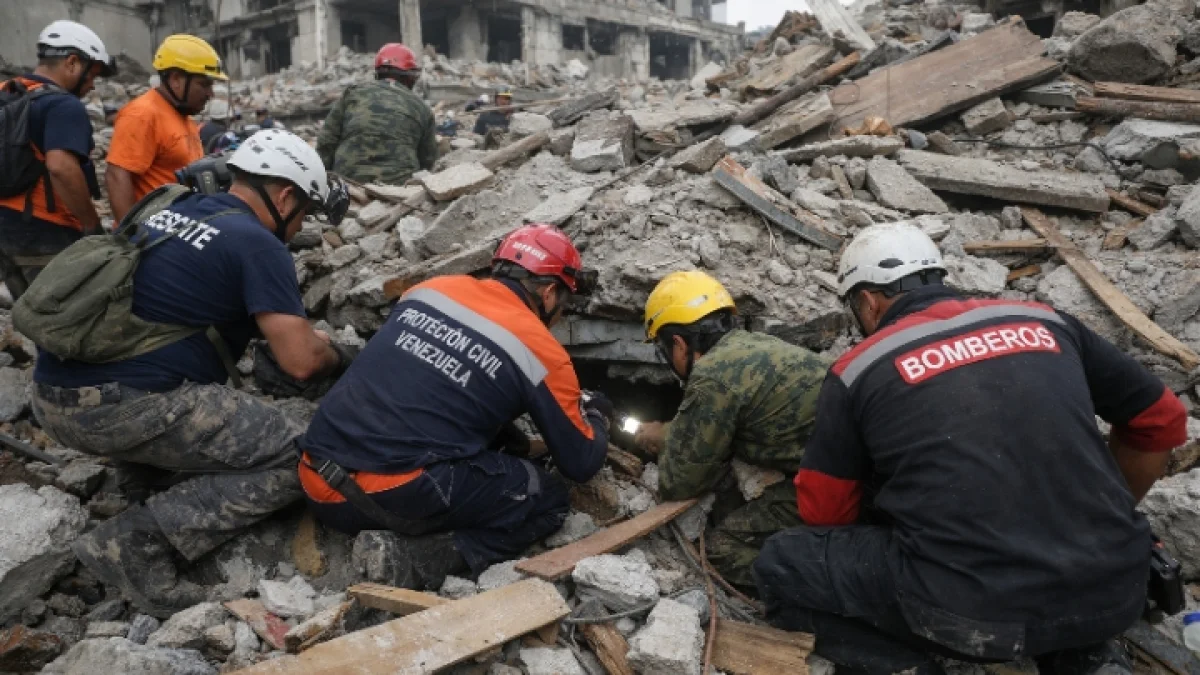
European Commission President Ursula von der Leyen and European Council President António Costa have previously said the bloc would continue working with governments across the Middle East to promote regional stability, maintain freedom of navigation through the Strait of Hormuz and support humanitarian operations. EU institutions have also highlighted efforts to assist member states in repatriating European citizens affected by the crisis and to expand emergency aid for vulnerable populations.
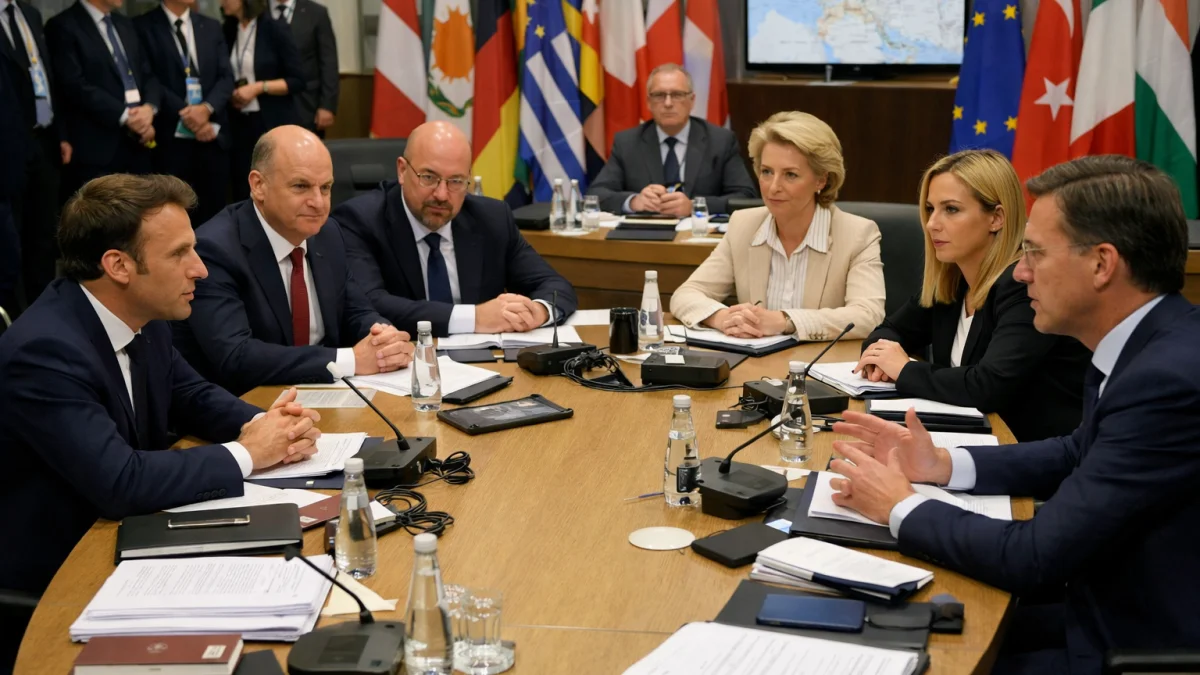
The Middle East crisis has also featured prominently in discussions among major European governments ahead of recent NATO consultations. Leaders from France, Germany, Italy, Poland and the United Kingdom pledged closer coordination on security and reaffirmed their commitment to strengthening Europe's role within the alliance while maintaining close cooperation with the United States.
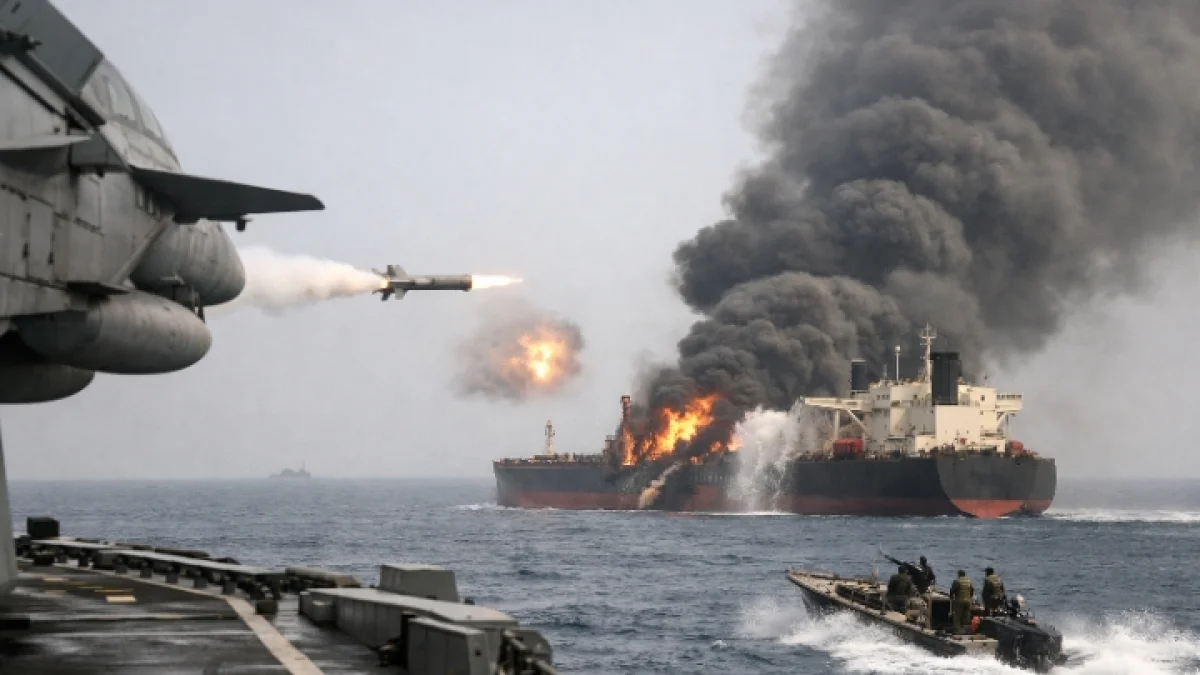
European officials have warned that prolonged instability could threaten global energy markets and commercial shipping, particularly if disruptions affect the Strait of Hormuz, a critical route for oil exports. The European Commission has said restoring secure maritime navigation remains a priority alongside broader diplomatic engagement with regional partners.
International financial and economic institutions have likewise cautioned that continued uncertainty in the Middle East poses risks to global growth despite the economy's resilience so far. The heads of the International Monetary Fund, World Bank Group, World Trade Organization and International Energy Agency recently called for efforts to resolve the conflict and minimize disruptions to energy and trade flows.
European leaders have said they will continue consulting with allies and partners while monitoring developments across the Middle East. EU officials have indicated that diplomatic engagement, humanitarian support and coordination on regional security will remain central to the bloc's response as governments assess further developments.