BRUSSELS — European Union member states approved a new round of sanctions against Russia on Saturday targeting the country's oil sector and financial system, as the bloc sought to increase pressure on Moscow over its war in Ukraine after days of negotiations among member governments.
The package expands restrictions on Russian oil-related activities and banking operations, according to EU officials, following agreement by member states after earlier talks had failed to secure unanimous backing. The measures form the bloc's latest sanctions package since Russia's full-scale invasion of Ukraine and are intended to reduce revenues available to finance the war while limiting avenues for sanctions circumvention.
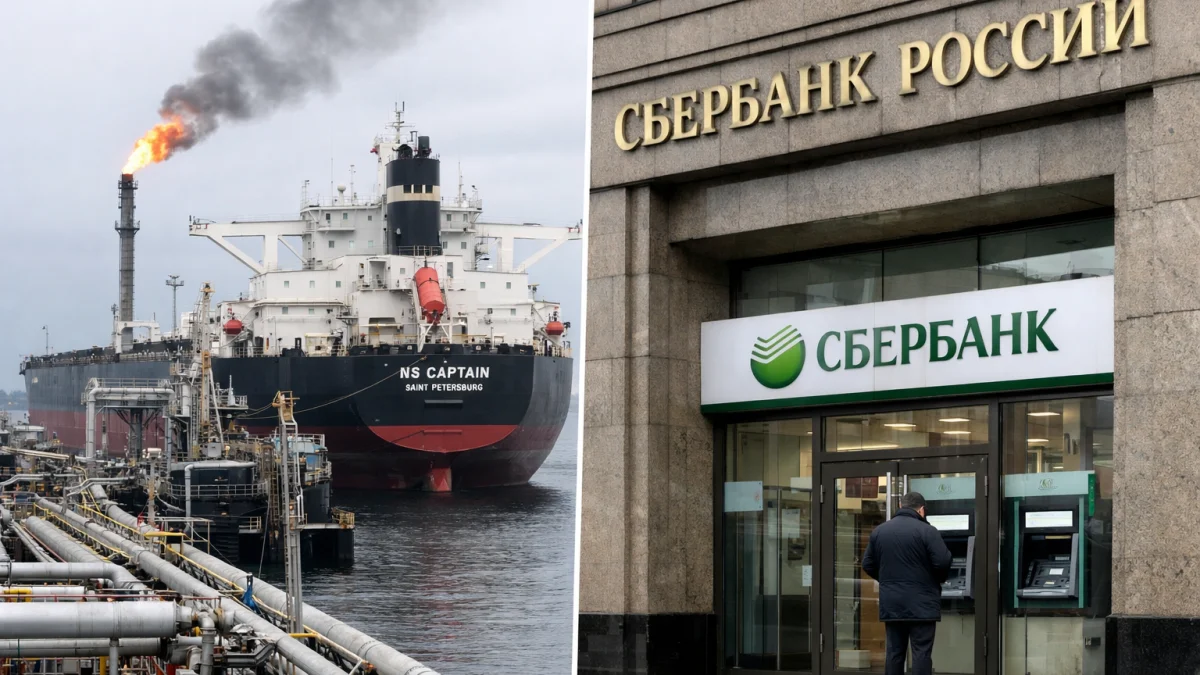
EU officials said the measures include additional restrictions affecting Russian financial institutions, oil traders and entities linked to the country's energy sector. The package also broadens action against networks used to circumvent existing sanctions, including parts of Russia's so-called shadow fleet involved in transporting oil outside Western restrictions.
The agreement followed several days of discussions after EU envoys were initially unable to reach consensus on the sanctions package because of differences among member states over elements including energy-related measures. Diplomats had said negotiations focused on proposals affecting Russian banks, crypto-related activities, oil traders and refiners.
European Union foreign policy chief Kaja Kallas has previously said the bloc remained committed to increasing economic pressure on Russia while maintaining support for Ukraine. EU officials have argued that successive sanctions packages are designed to weaken Russia's ability to sustain its military campaign and to close loopholes that allow existing restrictions to be bypassed.
Moscow has repeatedly condemned Western sanctions, arguing they are unlawful and ineffective. Russian officials have maintained that the country's economy has adapted to the restrictions, while the Kremlin has accused Western governments of using sanctions as a political tool.
Since 2022, the European Union has adopted multiple rounds of sanctions covering Russia's financial, energy, defense and technology sectors, alongside asset freezes and travel bans on hundreds of individuals and entities. The bloc has also coordinated many measures with Group of Seven partners and other allies.
EU institutions are expected to oversee implementation of the latest measures, with member states responsible for enforcing the sanctions under their national legal frameworks.